
Home> Loans & Debt
Loans & Debt
Understand your loan and debt management options
Effective loan and debt management starts before you sign anything - it helps to step back and look at how the pieces fit together. Getting a firm grip on loan basics means recognizing that not all debt behaves the same way. A fixed-rate mortgage builds equity over decades, while revolving credit card debt compounds daily and can quietly undercut your long-term goals. That distinction is why your debt-to-income ratio often matters more to a mortgage underwriter than your total net worth, and why it is smarter to lock in a home loan before throwing every spare dollar at a low-interest student loan.
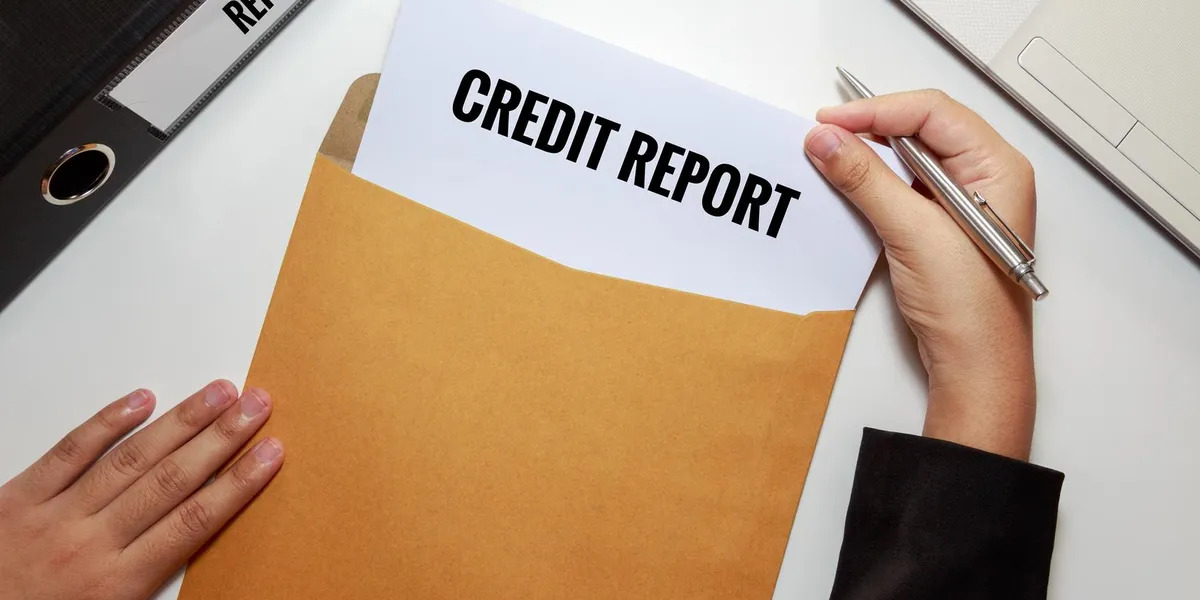
Your standing with lenders hinges almost entirely on your credit reports & scores, which are essentially a record of how reliably you repay money. A single missed payment can drop a solid score by a significant margin, and if you have placed a security freeze on your file, you may need to temporarily lift it before a creditor can process a new application. When an account falls behind, debt collection becomes a reality and the rules shift. You have the right to verify what you owe and should avoid sharing sensitive personal details with anyone who calls out of the blue claiming you owe a debt. If the burden becomes insurmountable, bankruptcy triggers an automatic stay, a court order that immediately halts collection calls and lawsuits while your case is pending, giving you legal breathing room to reorganize or discharge what you cannot pay.
Borrow money strategically
Borrowing well starts with matching the loan to the purchase timeline and the collateral involved. For most people, a home is the single largest asset they will ever finance. That is why understanding the full range of mortgages available matters long before you tour an open house. A 30-year fixed loan behaves very differently from an adjustable-rate product once closing costs and early-year interest are factored in. If you already own property, home equity borrowing lets you tap accumulated value for renovations or debt consolidation. But it also puts your deed at risk in a way that unsecured credit does not. On a shorter horizon, auto loans sit somewhere between a mortgage and a credit card. The vehicle secures the debt, so the rate you qualify for depends heavily on the term length and the age of the car, not just your score. When there is no physical asset backing the promise to repay, personal loans carry higher rates. They can still make sense for consolidating high-interest balances if the origination fee does not eat up the interest savings. And while student loans often feel like an abstract future problem during school, their monthly payment eventually lands in your budget. That payment directly affects the debt-to-income calculation a mortgage underwriter will run later.
Get out of debt faster
Before you direct every extra dollar at a balance, look at the loan type behind it. If you are aiming for a mortgage soon, the underwriter will focus on your monthly obligations more than on how quickly you wiped out a federal student loan, so preserving cash for a down payment can be smarter than paying off debt that carries a low fixed rate. Where high-interest credit cards are the real drag, many people turn to debt consolidation to replace scattered due dates with a single installment loan at a lower rate, though this works best once you have stopped running up the original cards. On an iPhone, Apple Pay Later users were able to keep existing loans in view by opening Wallet, seeing the total amount due across all loans and the total due in the next 30 days, plus a calendar view of upcoming payments right in the app. That visibility helps you sequence which balance to attack first. If an Apple Card balance is part of the picture, you can open Wallet, tap Apple Card, tap the More button, tap Account Details, then tap the Message button and type "payment assistance plan options." A clear picture of what is due in the next 30 days often reveals which high-interest debt to target before it compounds further.

By: Sunny • Loans & Debt
By: Sunny • Loans & Debt

By: Sunny • Loans & Debt
By: Sunny • Loans & Debt

By: Sunny • Loans & Debt
By: Sunny • Loans & Debt
By: Sunny • Loans & Debt

By: Sunny • Loans & Debt

By: Sunny • Loans & Debt

By: Sunny • Loans & Debt

By: Sunny • Loans & Debt