
Home> Investing
Investing
Investing for beginners: what you can actually invest in
Before you commit a single dollar to investing for beginners, it helps to picture the full menu. The assets you choose shape not just your potential return but also the tax bill and the paperwork you will face later. To understand the fundamental building blocks of wealth, you should read about stocks, which represent fractional ownership in a company and tend to drive long-term growth, because they are a cornerstone of most portfolios. Their prices can swing sharply quarter to quarter, which is why you need to read about bonds to see how they function more like a loan you make to a government or corporation, typically offering steadier, lower returns in exchange for regular interest payments, so you can balance risk in your holdings.
Many people never pick individual securities at all. Instead they pool their money through funds & etfs. This structure can hold hundreds of positions at once and often lowers the per-investment cost of diversification. You should read about real estate because it can generate income through rent and may move on a different rhythm than shares, though it ties up capital in a physical, less liquid form, giving you a tangible asset class to consider. Further out on the risk spectrum, you should read about crypto assets, which live entirely on a blockchain and which some investors treat as digital gold, even though their value can evaporate or double in a matter of days, offering a speculative option for those seeking high volatility.
Rounding out the picture, you should read about alternative assets such as private equity, commodities, or managed futures that sit outside the standard stock-bond-cash trio, because they often come with higher entry requirements and longer lock-up periods, helping you diversify beyond conventional markets. In India, Google Pay users can already access one slice of this universe. They simply tap Money and then Mutual funds at the bottom of the home screen. This opens a guided flow for fund investing without leaving the app.
- alternative assets - Alternative Assets
- real estate - Real Estate
- stocks - Stocks
- crypto - Crypto
- bonds - Bonds
How markets and strategies work
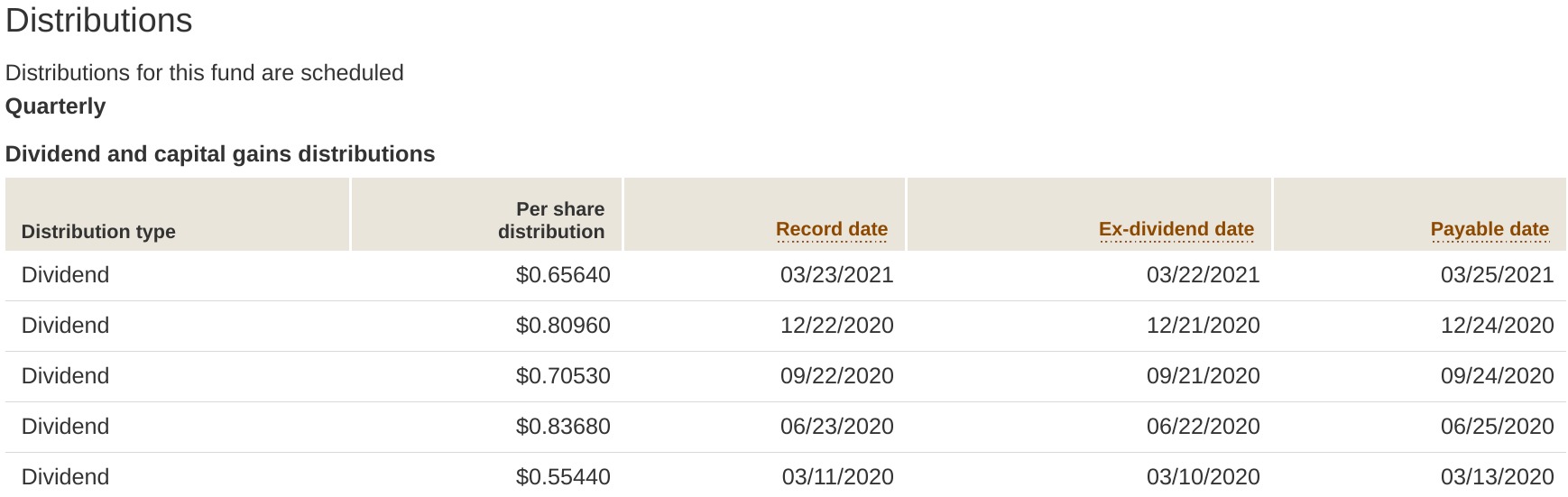
Before you focus on picking a winner, it helps to step back and understand the foundational stock market concepts that shape every trade. Stock prices move constantly, and your total return comes mainly from dividends and capital gains. A company’s profit that is paid out to you can be taken as cash, or you can let it compound by automatically reinvesting to buy more shares, which is the core mechanism behind a dividend investing approach that aims to build wealth through regular distributions rather than price speculation alone. How you choose the companies to own is where personal conviction enters the picture, because aligning a portfolio with your beliefs means applying esg & values investing criteria, which evaluates a firm’s environmental, social, and governance practices instead of looking purely at a balance sheet. The broader economic backdrop matters just as much, since inflation & recession investing requires a different posture. During a period of negative economic growth, the practical guidance is to clarify your goals, diversify your assets, maintain an emergency fund, and avoid impulsive decisions rather than trying to time the bottom. These strategic layers determine what you actually keep far more than the ticker symbol you happen to select.
Setting up your accounts and executing trades
Where you park your money is often the first real fork in the road. The tax treatment of retirement accounts differs sharply from a standard taxable account, sheltering dividends and capital gains from annual tax drag, while the latter gives you unrestricted access without an early-withdrawal penalty; you will want the article on retirement accounts to learn how these tax advantages can compound over decades and reduce your long-term tax burden.
When you are ready to open a taxable account, brokerages range from firms that also manage your retirement plan to app-only platforms that let you begin with a few dollars. The time it takes for a deposit to clear into your settlement fund can vary, with some firms noting it may take 3 to 7 days before you can actually invest; you will want the article on brokerages to compare fee structures, account minimums, and the range of investment products each platform offers.
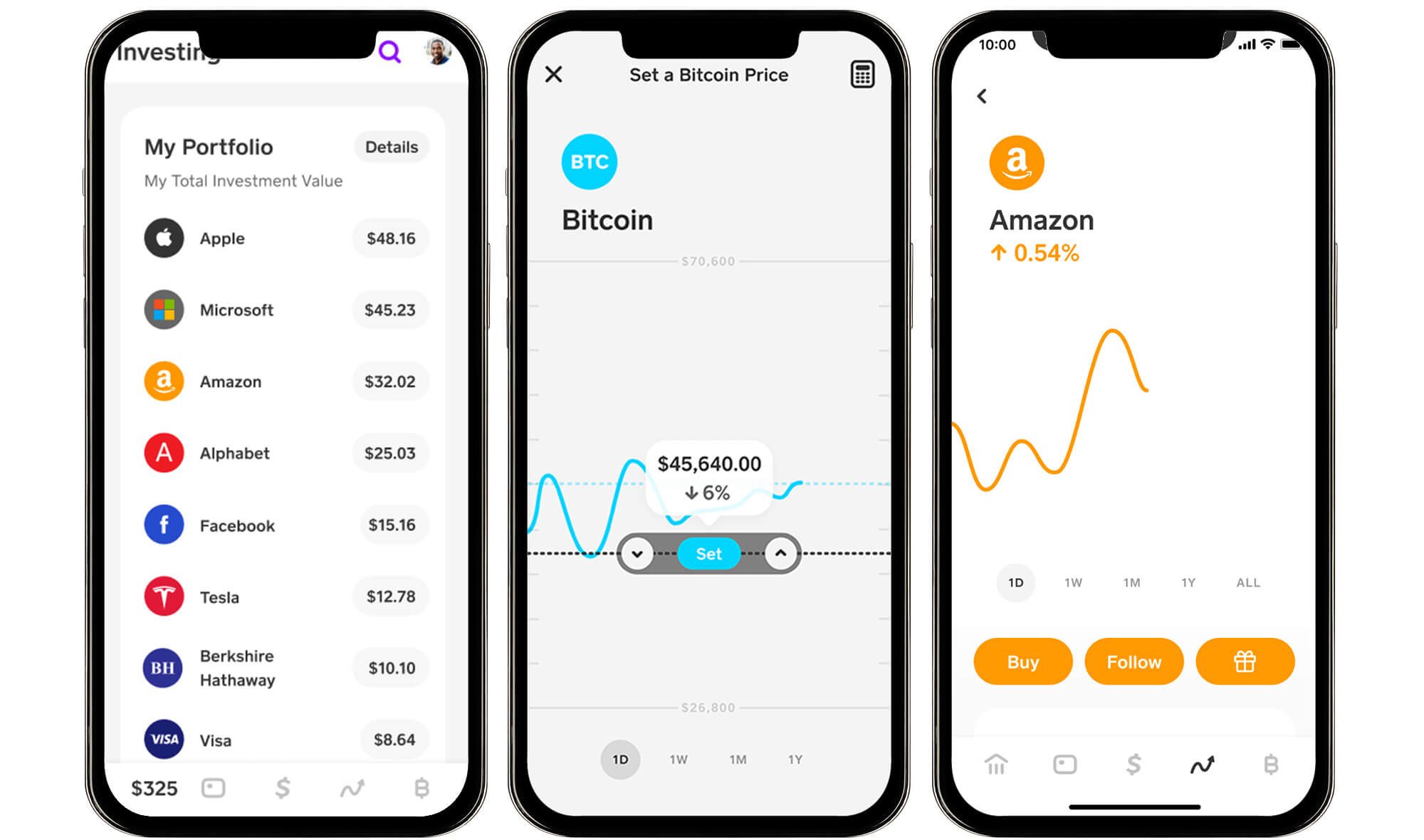
Once the account is funded, brokerage how-tos live inside the app settings. On an iPhone in IBKR Mobile you can tap More, then Settings, and find a list that includes Account Settings where you manage trading permissions and live market data subscriptions; you will want the article on brokerage how-tos to master order types, settlement timelines, and platform-specific shortcuts that save you time and prevent costly mistakes.
From the order screen, you are rarely stuck with a single option. In some apps, you can swipe the order types bar to choose between a market order that fills at the current price, a limit order that only executes at your specified threshold, or a stop order designed to cap a loss. Before you confirm, double-check the trading type as well; in the Fineco App, selecting intraday versus multiday changes whether the order expires at the closing bell or stays open across sessions.
Managing your portfolio and keeping more of your money
Building a coherent portfolio starts with thoughtful portfolio construction that looks across all of your accounts at once. This means placing tax-inefficient assets such as corporate bonds, REITs, and high-turnover funds inside tax-deferred accounts where their ordinary income won’t create an annual drag. The other side of that decision is holding tax-efficient index funds, ETFs, and individual stocks in your taxable brokerage account. There, qualified dividends and long-term capital gains get more favorable treatment.
Once those pieces are in place, you can further reduce what you owe through tax-loss harvesting. This involves selling positions that have dropped in value to offset realized gains and up to a portion of ordinary income each year. Being intentional about holding periods matters just as much. Crossing the one-year threshold moves a gain from short-term rates taxed like wages to the lower long-term bracket. The account types you choose shape every one of these moves. A Roth IRA grows tax-free, an HSA can be triple-tax-advantaged when used for medical expenses, and a 529 shelters college savings from taxes entirely. How you handle taxes on investments across all of those containers often determines more of your ultimate return than the specific securities you pick. Yet it is the step most investors skip until the cost to unwind a mistake has already piled up.

By: Sunny • Investing

By: Sunny • Investing
By: Sunny • Investing

By: Sunny • Investing
By: Sunny • Investing
By: Sunny • Investing
By: Sunny • Investing
By: Sunny • Investing

By: Sunny • Investing
By: Sunny • Investing
By: Sunny • Investing
By: Sunny • Investing

By: Sunny • Investing
By: Sunny • Investing
By: Sunny • Investing