
Home> Taxes
Taxes
Start here if you’re new to tax filing
This tax filing guide anchors you in the tax basics that shape everything else. Your filing status affects which credits and deductions you can claim. Picking the wrong one can affect which credits or deductions you qualify for. The IRS sets the overall sequence: confirm whether you must file, pull together your income statements and proof for deductions, file the return, then either track your refund or pay what you owe on time.
Once you have a handle on federal filing fundamentals, the calendar becomes your first practical checkpoint. For most people the federal individual return is due April 15. That date slides to the next business day when it lands on a weekend or legal holiday. If you mail a paper return, it counts as on time only when it is properly addressed, carries enough postage, and bears a postmark on or before the deadline. Electronic filing removes that guesswork, and the IRS recommends software for the fewest errors and fastest refunds.
When you are ready to start tax returns, the clearest path is through IRS Free File. You must enter the program from IRS.gov to avoid landing on a commercial site that does not honor it. For Guided Tax, the IRS says each partner sets its own eligibility criteria, including income, age, and state residency. The separate Free File Fillable Forms track works without that income cap. Whichever route you take, the system will ask you to sign with last year’s adjusted gross income or a self-select PIN, a five-digit number you choose that cannot be all zeros.
Set up your filing correctly
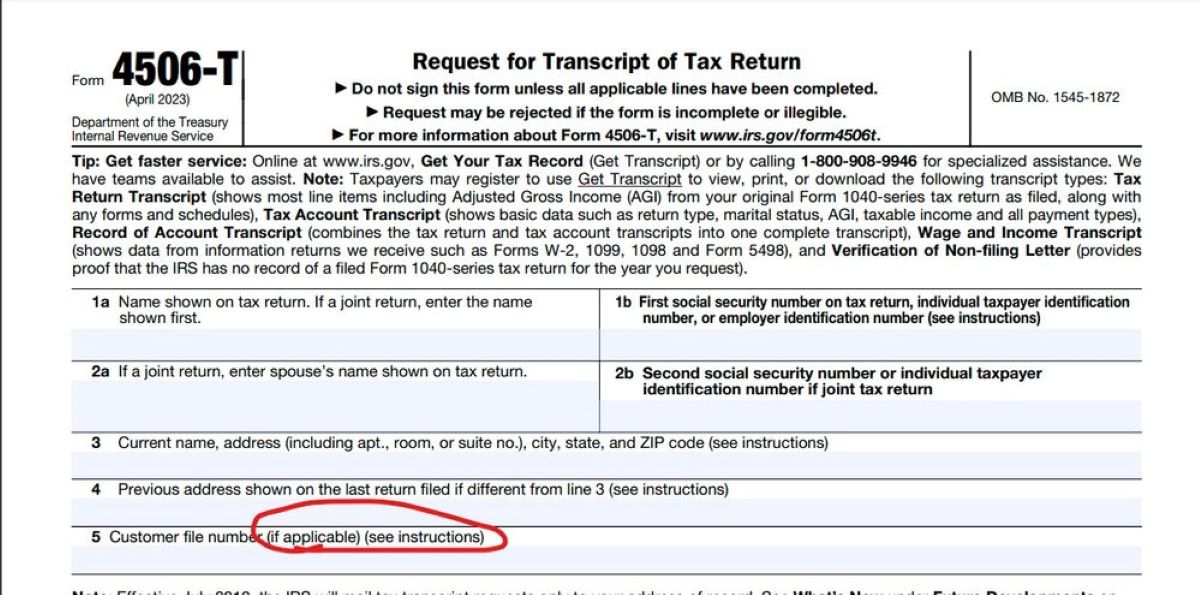
Before you enter a single income number, the IRS looks at your filing status to determine which credits, deduction thresholds, and tax brackets apply to your return. If you lived in more than one place this year, your state & filing status can interact in ways that override your federal choice. It is worth checking whether your state requires the same status you claim on your 1040. Many people learn too late that state-specific filing instructions impose different residency tests. This becomes especially tricky when one state follows federal rules and another asks you to recalculate everything from scratch. While you are getting your paperwork in order, run your latest pay stub through the IRS Tax Withholding Estimator and read our article on "tax withholding & w-4" to see exactly how adjusting your allowances can prevent a surprise balance due. It is the official tool for deciding how to complete Form W-4 so the right amount is withheld. A midyear adjustment now can prevent an unexpected bill later. Once your status and withholding are set, signing into your IRS account through the IRS app lets you grab wage and income transcripts; you will also want to check out our guide on "IRS account & forms" to learn how to retrieve prior-year returns and request tax records instantly. You can also check your balance and access mobile-friendly forms that require a signature, all without digging through a filing cabinet.
Reduce what you owe
Before you chase a single line on your 1040, it helps to step back and see the bigger picture, because your filing status governs which thresholds apply and a mismatch can silently disqualify you from otherwise valid tax deductions & credits.
Once your status is locked in, the real work of lowering your bill splits into two buckets. Tax credits reduce what you owe dollar for dollar, and the most valuable ones often go unclaimed, while claiming deductions shrinks your taxable income before the tax is calculated. The choice between the standard deduction and itemizing is not always obvious, but tracking expenses such as medical costs or charitable contributions during the year can tip that decision in your favor.
Thinking beyond the current calendar year turns these one-time moves into a repeatable result, which is where building a tax planning & strategy comes in. A small shift in the timing of income or a planned purchase can keep you under a cliff that would otherwise cost you thousands. The same forward-looking habit applies to retirement & investment taxes, where the type of account you fund and when you access it determines whether growth is taxed now, later, or not at all.
State-specific filing instructions impose different residency tests, which becomes especially tricky when one state follows federal rules and another does not. A taxpayer who assumes a single standard will govern both returns can end up filing incorrectly in one jurisdiction, often resulting in an unexpected bill plus interest long after the original return was accepted. State-level tax credits function differently from their federal counterparts: some are refundable only in limited circumstances, and others require pre-approval from a state agency before you even file, meaning the credit is lost for that year entirely if you miss that step.
Residency audits are becoming more frequent as states look for revenue, so keeping a detailed log of days spent in each location is no longer optional for anyone who splits time between homes. Digital records such as credit card swipes and phone location data may be requested by auditors, and without them proving your physical presence on a specific date is nearly impossible.
Handle special situations and problems
other applies its own statutory definition. The mismatch can leave you owing tax in two places on the same income.
When a marriage, divorce, new child, or move reshapes your household, the tax code does not automatically adjust with you. The most common misstep after life events & taxes intersect is continuing to file under a status that no longer matches your legal situation. That error can quietly block credits and change your standard deduction. A name change with the Social Security Administration must happen before you file, because the IRS matches your return against SSA records first.
Stepping into self-employment & freelancer taxes means you become both the employee and the employer in the eyes of the IRS. That triggers a requirement to pay estimated taxes four times a year. Missing a quarterly deadline can generate penalties even if you pay the full amount by April. The obligation to track every deductible expense starts the moment you hang out a shingle, not when you incorporate or open a separate bank account.
When a letter from the IRS arrives, the worst response is to ignore it. Most IRS notices & codes can be identified by the number printed in the upper right corner. A CP2000 notice, for example, is not a bill but a proposal to adjust your return based on income the IRS received from a third party. If you disagree with the proposed change, you have a window to respond with documentation. Calling the number on the notice opens a conversation about what the IRS needs to close your case.
By: Sunny • Taxes
By: Sunny • Taxes
By: Sunny • Taxes
By: Sunny • Taxes
By: Sunny • Taxes

By: Sunny • Taxes

By: Sunny • Taxes

By: Sunny • Taxes
By: Sunny • Taxes
By: Sunny • Taxes
By: Sunny • Taxes
By: Sunny • Taxes

By: Sunny • Taxes

By: Sunny • Taxes
By: Sunny • Taxes

By: Sunny • Taxes