Home>Finance>Can I Get Approved For A Mortgage With Only Authorized User Accounts
Finance
Can I Get Approved For A Mortgage With Only Authorized User Accounts
Table of Contents
It is possible but unlikely with most conventional lenders, because underwriters typically require at least one or two primary tradelines with a 12-month history. You may need to open your own secured card or credit-builder loan first, or use a lender that manually underwrites.
Why authorized user mortgage accounts usually fall short
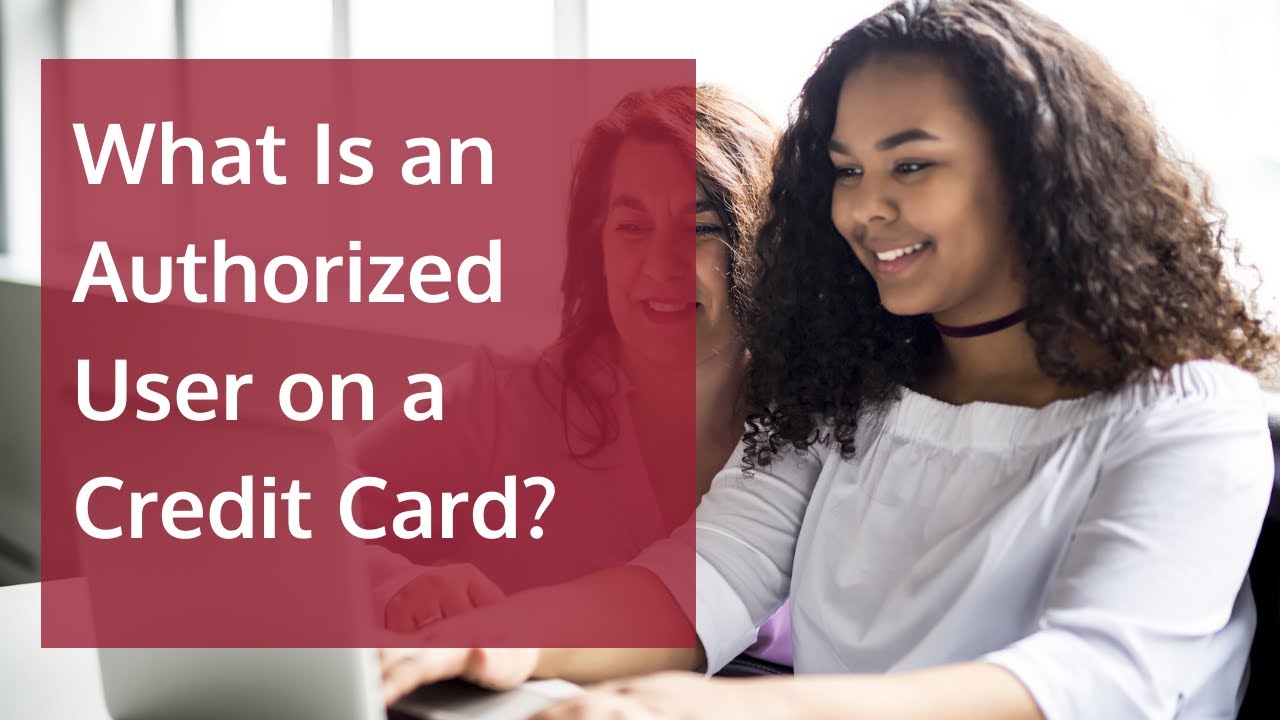
Automated underwriting systems, the software that processes most loan applications, are built to detect risk patterns. A file with only authorized user accounts triggers a specific red flag: insufficient established credit in your own name. When the system sees no loan or credit card in your own name, it cannot verify that you, personally, have ever been responsible for repaying debt. The score you see on a free credit app might be inflated because the authorized user strategies you used added a high-limit card with a low balance to your report. The algorithm knows that the original account holder is the one making the payments. Fannie Mae and Freddie Mac guidelines explicitly require at least one trade line that has been active for 12 months or more. That trade line must be in your own name. Even a 780 score with two AU cards and zero self-owned accounts will get an "ineligible" verdict from the system. The underwriter will not overrule it without a manual review. The denial reason on your adverse action notice will literally say "no qualifying trade lines" or "insufficient established credit," regardless of how pristine the AU account’s payment record looks.
When an underwriter might approve it anyway
Manual underwriting is the exception that keeps the AU-only file alive. It is reserved for borrowers who can prove creditworthiness through other means. A portfolio lender, one that keeps the loan in-house instead of selling it to Fannie or Freddie, has the discretion to review your full financial picture. In that scenario, the underwriter will weigh compensating factors. These include a 30% or larger down payment, a debt-to-income ratio under 36%, and 24 months of verified rent payments via bank statements or a rent-reporting service. Some credit unions and small community banks also offer manual underwriting as a standard option for first-time buyers. Membership for at least a year helps. But even a manual underwriter will ask why you have no self-owned accounts. The answer "I was afraid of debt" is acceptable. The answer "I just added myself to my aunt's card last month" is not. If you have a long record of AU accounts, say, five years, and a spotless record on those, a manual underwriter might treat that as evidence of responsible co-management. You will still be asked to explain the absence of your own credit. The approval is possible, but it is the exception, not the rule. It usually requires a phone conversation, not a paperless online application.
The mistake that gets buyers denied
The most common error is assuming a high credit score from AU accounts is enough. Buyers apply before establishing at least one self-owned tradeline. A first-time buyer sees a 740 FICO and gets a pre-approval letter from a quick online lender that only pulls a soft credit check. Then the hard pull at closing happens. The file gets rejected for "no primary tradelines." That rejection is not a judgment on your character. It is a mechanical failure of the underwriting model. The lender’s system literally cannot score a file that has no open installment or revolving account in the borrower’s name. It spits out a "refer" or "decline" decision. The buyer then panics and applies to three more lenders. Each hard pull drops the score by 10 points. Each denial makes the next application look worse. The fix is boring. Open one secured card with a limit typically set by the issuer in the range of a few hundred dollars. Use it for a small recurring bill. Pay it in full monthly. Wait 12 months. That single self-owned tradeline changes your file from "thin" to "established." The same AU-boosted score will now be backed by actual evidence of your own payment behavior.
What to open before you apply
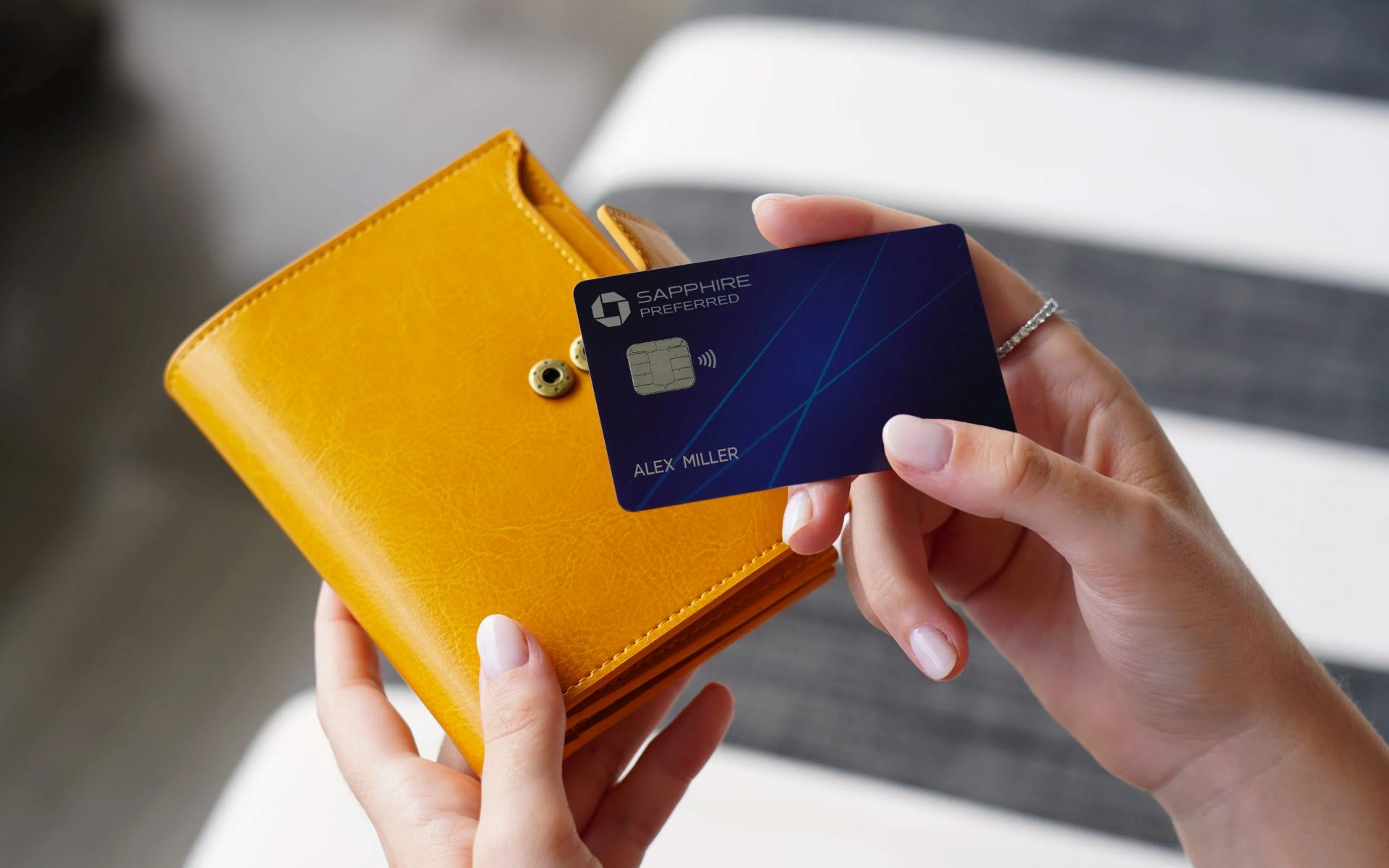
Start with a secured credit card from a major issuer like Capital One or a local credit union. These report to all three bureaus and require only a refundable deposit. Issuers commonly set the minimum deposit in a band from a couple hundred dollars up to several hundred. Check the issuer’s website for the exact current requirement. Use the card for a single subscription and set up autopay to clear the balance monthly. In parallel, open a credit-builder loan from a credit union or an online lender like Self. They hold the loan amount in a savings account while you make 12 monthly payments. The payment record appears on your credit report. A third option is becoming a co-borrower on a family member’s existing auto loan or personal loan. That requires the original lender’s approval and carries more risk. Whichever route you choose, wait a full 12 months from the account opening date before applying for a mortgage. The 12-month mark is not arbitrary. It is the minimum seasoning that Fannie Mae’s underwriting system will accept for a self-owned tradeline. After that, your AU accounts remain useful. They add age and credit mix. They are no longer your only proof of credit. If you are curious about the mechanics behind why AU accounts help your score but not your approval odds, review the broader discussion of piggybacking credit and is it legal. That discussion covers the difference between being a legitimate authorized user and buying a tradeline. Without that self-owned account, you are asking a lender to take a risk on a stranger’s payment habits. Most will not.
It is possible but unlikely with most conventional lenders. Underwriters typically require at least one or two self-owned tradelines with 12 months of seasoning. You may need to open your own secured card or credit-builder loan first. You could also use a lender that manually underwrites. Relying solely on accounts where you are an authorized user leaves your file thin in the eyes of automated systems. This is true even if your FICO score looks like a seasoned borrower’s. The gap between what your score says and what your credit file proves is the core problem you need to solve before a lender will say yes.
Frequently asked questions
How long must a self-owned tradeline be open before I can apply for a mortgage?
Most automated underwriting systems require at least 12 months of seasoning on a self-owned tradeline. A secured card opened six months ago will not satisfy the requirement, even if your score is high.
Will a secured card with a low limit really help my mortgage approval?
Yes, because the limit matters less than the fact that the account is in your name and you are making on-time payments. A secured card with a limit set by the issuer in the low hundreds, reported for 12 months, is a qualifying self-owned tradeline. Confirm the current minimum deposit directly with the card issuer.
Can I use my spouse's credit card as an authorized user to avoid waiting?
No, because being an authorized user on your spouse’s card is the same as being an AU on any other card. It does not count as a self-owned tradeline for mortgage underwriting. You need an account where you are the borrower or co-borrower.
What if I have a credit score but no self-owned tradelines, will a lender manually underwrite me?
Some portfolio lenders will, but only if you have compensating factors like a large down payment, stable employment, and verified rent record. You will need to ask specifically for manual underwriting. Most loan officers will not offer it unprompted.
Distinctive claim: A 780 FICO score backed only by authorized user accounts will still receive an "ineligible" verdict from Fannie Mae and Freddie Mac automated underwriting systems because the guidelines explicitly require at least one trade line in your own name with 12 months of activity.