Home>Finance>Does Checking My Own Credit Report Count As A Hard Inquiry
Finance
Does Checking My Own Credit Report Count As A Hard Inquiry
Table of Contents
No, checking your own credit report is a soft inquiry and never hurts your credit score. Only hard inquiries from lenders reviewing your file for a new application have any impact.
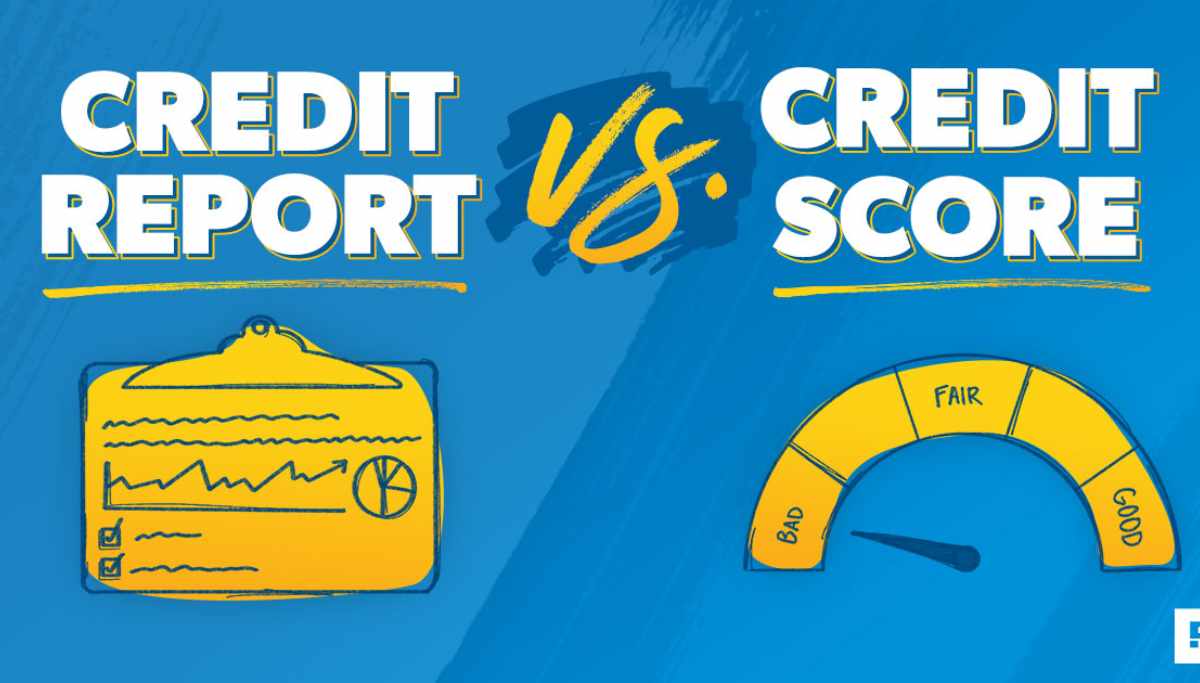
The difference between credit check hard inquiry and soft pulls
A hard inquiry appears on your credit file only when a lender pulls it because you’ve applied for something, a credit card, an auto loan, a mortgage, or a rental lease. Each hard pull typically shaves a few points off your score for about 12 months, and it stays visible to other lenders for two years. Soft inquiries, by contrast, include any check you initiate yourself, such as logging into a credit monitoring app, viewing your score through your bank’s dashboard, or asking a credit counseling service for a review. These soft pulls are recorded on your file as a “personal inquiry” that only you can see; no lender ever sees them, and they never influence a lending decision.
The key difference is permission and purpose. Hard pulls signal that you’re actively seeking new debt, which statistically makes you a slight risk in the near term. Soft pulls signal nothing because they’re either initiated by you or by companies pre-screening you for offers you never asked to see. Your own checks sit in a separate section of your report, alongside promotional inquiries that only you can view. So when you open your bank’s app and see your “free monthly FICO score,” that’s a soft pull, guaranteed. The same goes for any service that advertises “no impact to your score” for viewing your report; they’re legally required to use a soft pull if they make that claim.
When a check does turn into a hard inquiry
The one scenario that trips people up is when a third-party tool asks you to “check your rate” or “see if you pre-qualify” for a card or loan. Many comparison sites and even some credit monitoring apps have a button that says “view my offers” or “see my approval odds.” Clicking that button often triggers a real application, not a soft pull, because the site has partnered with a lender and you’ve effectively agreed to a hard credit check in the fine print. The result: you thought you were just window-shopping, but you’ve just generated a hard inquiry that stays on your file for two years.
Another trap is using a free credit score service that asks you to “confirm your identity” and then presents a pre-filled application for a card or loan. If you hit “submit” or “accept” to view the full details, that’s a hard pull. The rule of thumb is to read the screen: if it says “apply,” “submit application,” or “you authorize a credit check,” you’re about to trigger a hard inquiry. If it says “view my score” or “check my report,” you’re safe. When in doubt, use a service that explicitly states “soft pull only” in its terms, and never click through a third-party ad that promises “guaranteed approval” without reading the disclosure.
How to safely monitor your own credit
The safest place to check your own credit is AnnualCreditReport.com, the federally mandated portal where you can request a free copy of your report from each of the three major bureaus once every 12 months. That’s a soft pull, period. You’ll get your full file, including payment history, balances, and any hard inquiries, without affecting anything. For ongoing monitoring, use your credit card issuer’s score dashboard (most major issuers like Chase, Capital One, and American Express offer a free FICO or VantageScore update monthly) or a dedicated service like Credit Karma. All of these use soft pulls because they’re providing you with your own data, not evaluating you for a loan.
You can also request a “risk score” from a direct lender without applying, but be explicit: ask for a “soft inquiry pre-qualification” or “no-impact check” before you give your Social Security number. The three major credit bureaus, Equifax, Experian, and TransUnion, all sell your credit reports & scores directly to you, and those sales are always soft pulls because you are the consumer asking for your own data. The same logic applies to the underlying data: the credit bureaus collect information for my report and yours, but they don’t get to ding you for looking at what they’ve stored. Your own file is yours to read as often as you want.
Frequently Asked Questions
Will checking my credit report lower my score if I do it every week?
No. Every check you initiate yourself is a soft pull, and soft pulls have zero effect on your score, regardless of frequency. You can check daily without any penalty.
Can a lender see that I’ve checked my own credit report?
No. Soft inquiries from your own checks are visible only to you on your personal copy of the report. Lenders only see hard inquiries from other lenders’ credit checks.
Does pre-qualifying for a credit card count as a hard or soft inquiry?
It depends on the lender. Most pre-qualification offers use a soft pull, but some partners on comparison sites require a hard pull. Always read the disclosure that says “credit check” or “application” before you click.
What should I do if I accidentally trigger a hard inquiry?
If you realize you’ve applied for credit unintentionally, you can’t undo it, but you can dispute it if it was unauthorized or if you never received the offer. Otherwise, it will fall off your report after two years, and its impact on your score fades after 12 months.