Home>Finance>How To Handle Inventory Tracking When You Sell Physical Products
Finance
How To Handle Inventory Tracking When You Sell Physical Products
Table of Contents
Inventory tracking stops being a guessing game when you use the perpetual method synced to your sales channels, not a periodic manual count. Start with a lean inventory app that forces a physical count at receiving and shipping, so your stock levels are always live and you never sell a ghost. That’s the whole trick: make the system update itself every single time a box moves, and you stop guessing.
The fatal inventory tracking spreadsheet trap
Spreadsheets feel safe until you hit about 20 orders a week. Then the rows blur, the VLOOKUPs break, and someone buys the last ceramic mug while your sheet still says “3 in stock.” That’s the ghost inventory problem: you’re selling stock you don’t physically have, and every ghost sale means a refund, a sad customer, and a frantic trip to the post office. The trap isn’t laziness, it’s that a manual sheet only reflects what you typed last Sunday. By Wednesday, you’ve sold 14 items, received a fabric shipment, and misplaced a box of handles. The sheet can’t know that. And when you finally update it, you’re reconciling a memory, not a reality. Spreadsheets fail because they treat inventory as a record-keeping task, not a live physical fact. Once you scale past a few orders, the gap between your sheet and your shelf becomes a chasm, and every order you ship widens it.
Perpetual vs. periodic tracking
Periodic tracking means you count everything once a year, usually on a painful Sunday when the shop is closed, and adjust your books to match. It’s cheap, but it’s also blind. If a customer steals a scarf in March, you don’t know until December. If a case of soap arrives damaged, you still pay the supplier and claim the loss later. Perpetual tracking, on the other hand, records every movement the moment it happens: a sale deducts instantly, a receiving scan adds instantly, a return goes right back onto your available count. That live data gives you accurate cost of goods sold (COGS) without a year-end surprise, because shrinkage appears on screen the moment it happens, not months later. For a small maker, perpetual isn’t about fancy automation; it’s about making your system the single source of truth, so your profit numbers reflect actual product on hand, not a hopeful estimate. And when you eventually sit down to do your taxes, your bookkeeping & recordkeeping will already be done because your inventory numbers were never stale.
The only inventory system that works long-term is the one that forces a physical count at the moment of transfer, turning every scan into an unchangeable financial record instead of a hopeful estimate.
The minimum viable inventory stack
You don’t need a warehouse management system with bin locations and barcode printers. You need software that forces two control points: receiving and shipping. Look for an app like Sortly, inFlow, or Craftybase that lets you create a purchase order, scan items as they arrive, and then scan items again when you pack an order. The moment you scan a shipment out, the app subtracts it from your live count and syncs to Shopify, Etsy, or Amazon. That’s it. Skip anything with multi-warehouse logic, batch tracking, or lot numbers, you’ll never use them, and they’ll slow you down. The right tool should feel like a digital scale: you place the item, read the number, and move on. Set up your sales channel integration first, then do a full physical count and enter that as your opening balance. Test with one order. Then two. Within a week, the app becomes the boss of your shelves, and you stop trusting your gut. For mileage on those supply-runs to the post office, you can track business mileage without losing your mind by letting the same app log trips automatically, but that’s a separate habit.
When the numbers still lie
Even the best software shows wrong stock levels if you don’t respect the physical reality. Breakage happens. Theft happens, both shoplifting and employee pilferage. A mis-pick sends the wrong color shirt to a customer, and you adjust the count to fix it, but then you forget to adjust the raw material count. That’s why you need a non-negotiable cycle count rhythm: pick one day a month, choose the top 10% of your SKUs by sales velocity, and physically count just those. Compare the count to the system, investigate any variance over 2%, and correct it immediately. This isn’t a yearly audit; it’s a 20-minute habit that catches 80% of the errors before they compound. If you skip it, your live system slowly rots back into a spreadsheet, accurate on the day you set it, fiction a month later. The cycle count is your reset button, and it’s the only thing standing between you and a ghost order that ships empty.
Frequently asked questions
What if I sell on multiple channels, do I need a different app for each?
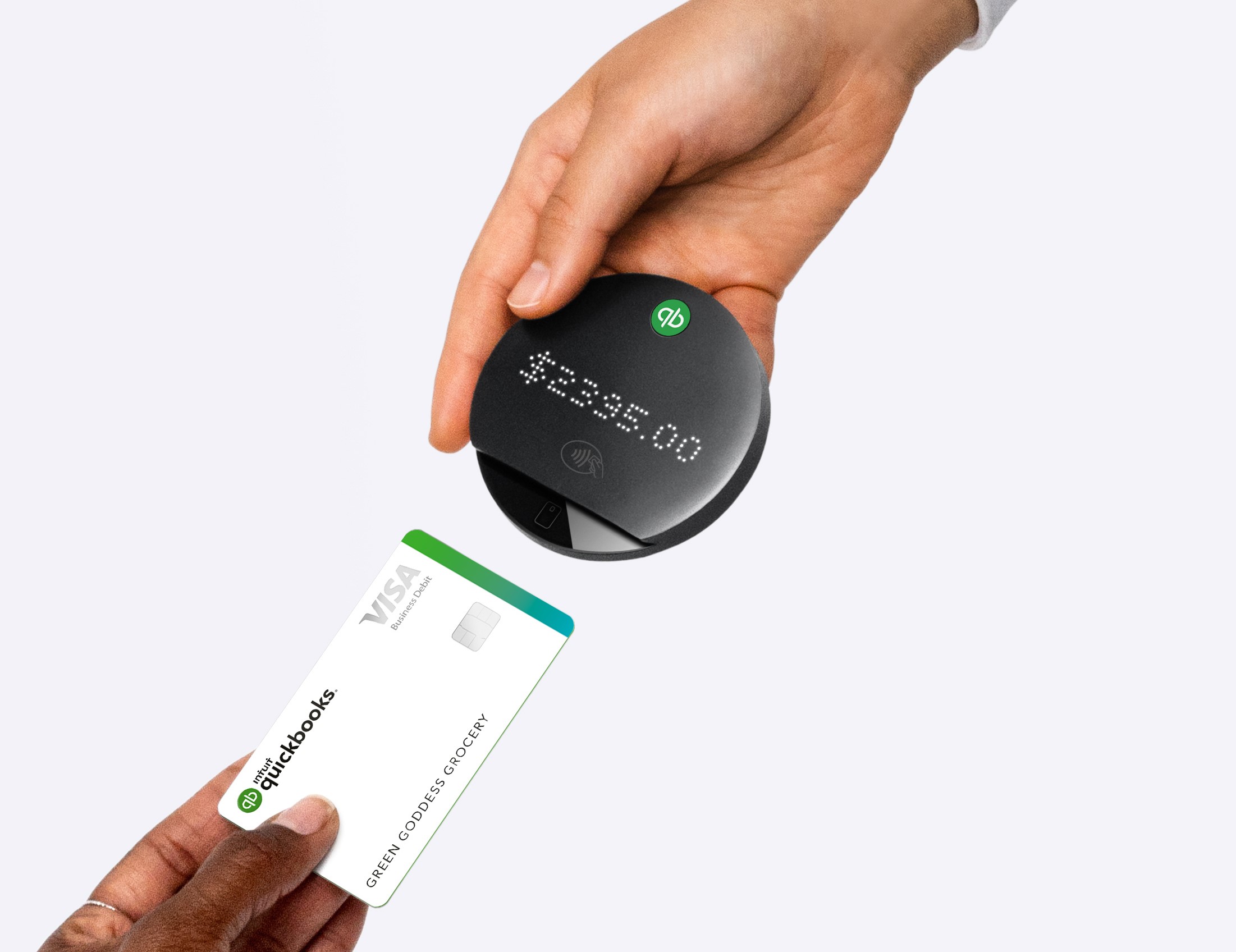
No. Choose one inventory app that integrates with all your sales channels (Shopify, Etsy, Amazon, and even in-person card readers). The app centralizes every sale into a single count, so selling on Etsy subtracts from the same stock as a shop sale. That’s the whole point of syncing, you never want to manually move numbers between platforms.
How do I handle returns and exchanges without messing up my live count?
Most inventory apps have a “return” or “restock” button that adds the item back to your available quantity the second you scan it. For exchanges, process the return first, then create a new order for the replacement item. That way, the system sees a real return and a real sale, not a confusing swap that throws off your COGS.
Do I really need to count everything at receiving, or can I trust the packing slip?
You must scan or count at receiving, every single time. A packing slip is a supplier’s wish, not a fact. Suppliers make mistakes, boxes get shorted, and items get swapped. If you skip the receiving count, you’ll pay for items you never got, and your live stock will be wrong from day one. Ten extra minutes at the door saves you hours of reconciliation later.
What’s the cheapest way to start if I’m barely profitable?
Start with a free or low-tier plan on an app like inFlow or Sortly (both have free tiers for small volumes). Use a simple handheld barcode scanner that plugs into your laptop, they cost about $30. You don’t need a tablet mount or a dedicated phone. Just the bare minimum to scan a box in and out. Upgrade only when you hit the plan’s order limit, which usually means you’re making enough sales to justify the cost. For a deeper dive into the financial side of this system, see our broader guide on Bookkeeping & Recordkeeping: What to Know and How to Handle It, where that exact phrase, bookkeeping & recordkeeping, anchors the full picture of tracking costs and deductions alongside your inventory.
\nRelated reading: How To Set Up A Chart Of Accounts That Actually Makes Sense.