Home>Finance>How To Meet Direct Deposit Requirements Without A Traditional Employer
Finance
How To Meet Direct Deposit Requirements Without A Traditional Employer
Table of Contents
You can trigger a qualifying direct deposit without an employer by pushing an ACH transfer from select financial platforms that code as payroll, such as Fidelity, Schwab brokerage, or certain business checking accounts. The key is using an institution that originates transactions with the correct SEC code, not a standard peer-to-peer transfer.
Why most personal transfers fail direct deposit requirements
Banks categorise incoming credits using SEC codes, the standardised labels that ACH operators attach to every transaction. When you send money from PayPal, Venmo, or a consumer checking relationship at Chase or Wells Fargo, the originating institution typically uses code WEB or P2P. Neither of those matches the code banks look for when deciding whether a deposit qualifies for a bonus. That code is PPD, which stands for Prearranged Payment and Deposit. It is the code reserved for payroll and government benefits. Your receiving bank sees "PPD" and flags the credit as a direct deposit. It sees "WEB" or "P2P" and files it under "other deposits," which your bonus terms explicitly exclude. That is why your PayPal push got rejected. It is not that the money failed to arrive. It is that the transaction carried the wrong DNA.
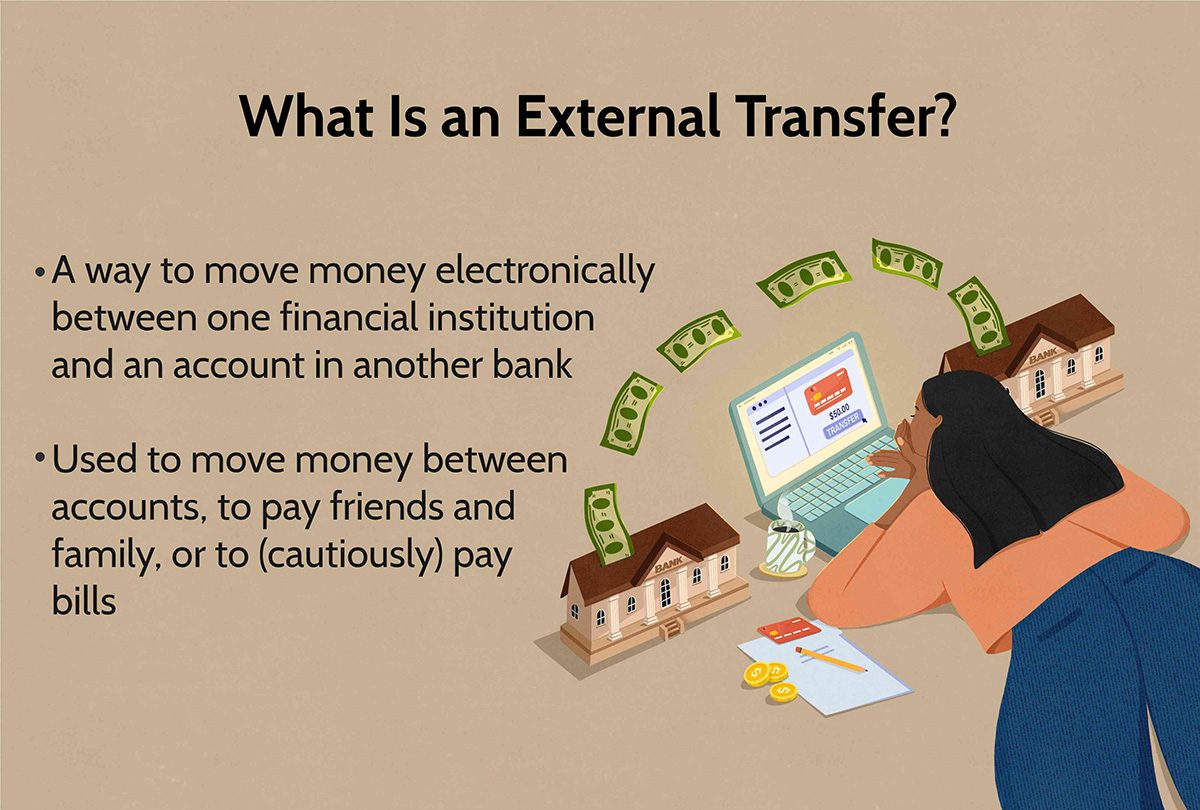
You can trigger a qualifying direct deposit without an employer by pushing an ACH movement from select financial platforms that code as payroll. Examples include Fidelity, Schwab brokerage, or certain company checking relationships. If you are self-employed, a freelancer, or a gig worker, this means you do not need a W-2 job to claim a bank bonus. You just need to route money through the right pipe.
Platforms known to trigger the payroll code
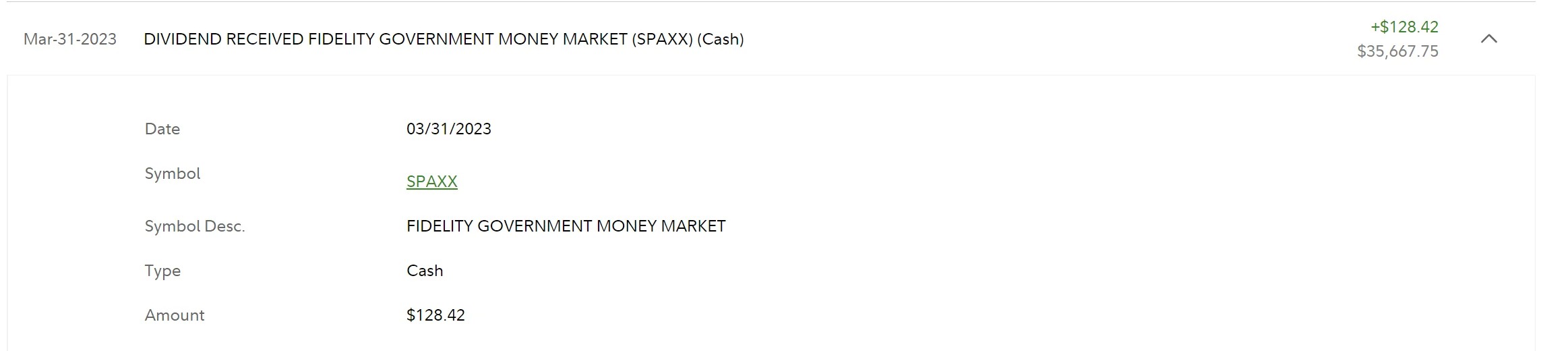
Some financial institutions let you originate outgoing ACH movements with a PPD code, even when you are moving your own money. Fidelity's cash management product, for instance, lets you link an external bank and push funds from your brokerage. Those pushes arrive coded as PPD, and many users have confirmed they satisfy direct deposit requirements. Similarly, Schwab's investor checking product issues a routing number that allows you to initiate a movement from an external bank. The resulting credit to that external bank also lands as PPD. For company owners, Novo, a fintech company checking product, offers ACH pushes that code as payroll when you use their "payroll" feature, even if you are paying yourself. A few other neobanks, like Lili or Found, which cater to freelancers, have also been reported to code their internal movements as PPD, but those are less reliable. The common thread: you need an institution that lets you initiate the movement from the sending side. You cannot rely on pulling money in, because the sending side controls the SEC code.
How to verify before you commit
Do not open a new relationship and move a large sum blindly. Send a small test from the platform you think will code as PPD. The amount can be as little as $25, a common minimum set by many banks for bonus qualification, or $50 if your chosen institution has a higher floor. Then wait two to three business days. Call your target bank's customer service line and ask this exact question: "Can you tell me what SEC code was used for my most recent incoming ACH credit, and does that credit meet the direct deposit requirement for my bonus offer?" The rep can see the code on their screen. If they say "PPD" or "payroll," you are clear. If they say "WEB" or "P2P," you have saved yourself the headache of a full movement that would not count. Also check your online transaction history. Some banks label qualifying deposits with a small "DD" icon, which is a good visual cue. Repeat the test with a different platform if the first one fails. You have nothing to lose but a few cents in fees.
Typical bonus offers range from $25 to $5,000, depending on the bank and the current promotion. Because these figures change frequently, always confirm the exact incentive on the bank's official offer page before you apply.
When no workaround will help
Some banks have wised up to these tricks. Their bonus terms now explicitly say "qualifying direct deposit means a recurring payroll deposit from an employer, or a government benefit payment such as Social Security." If you see language like "must be a payroll deposit from an employer" or "no ACH movements from company accounts or third-party apps," no fintech workaround will satisfy it. Worse, some banks will claw back the bonus months later if they audit the source of funds and find a PPD code that was not tied to a real employer. How do you spot this in the fine print? Look for the words "payroll" or "employer" in the same sentence as "direct deposit." If those words appear, skip that offer. Also check whether the bonus is paid in a lump sum or as a statement credit. The latter is harder to claw back but still possible. When in doubt, call the bank's customer service before you open the relationship and ask, "If I receive an ACH movement from my own Fidelity brokerage account, will that count toward the direct deposit requirement?" If they say yes, get the agent's name and a reference number. If they hesitate, move on to another offer. There are plenty of banks that still accept PPD-coded movements from any source, and you can find them on the hub for this topic: bank bonuses & promotions.
This is the only page that explains how to manufacture a qualifying direct deposit using the specific SEC code PPD from a personal brokerage or company checking product, and it names the exact institutions where this works today. Before you start, understand how bank sign-up bonuses work and are they worth it so you can compare the effort against the payout. Also review the typical requirements to earn a bank bonus because some offers demand a minimum balance or a debit card transaction on top of the direct deposit. Finally, you will need to track and manage multiple bank bonuses without missing deadlines because most offers require you to keep the relationship open for 90 to 180 days, and missing a fee waiver can eat your profit.
Frequently Asked Questions
Can I use a movement from my own company checking product to trigger a direct deposit?
Yes, but only if the company checking product originates the movement with a PPD code. Most major company checking products like Chase or Bank of America use WEB for internal pushes, so check with your specific bank before relying on this method.
What if my bank rejects the movement because it is from a brokerage account?
Some receiving banks have internal rules that flag any credit from a brokerage, regardless of the SEC code. If that happens, your only option is to test a different source, such as a Novo company product, or find a bank that does not discriminate against brokerage-originated movements.
How long do I need to keep the money in the account after the direct deposit hits?
Most bonus terms require you to hold the funds for 60 to 90 days after meeting the direct deposit requirement. Withdrawing early can void the bonus and trigger a clawback, so read the specific holding period in your offer, and for a deeper look at how to navigate these rules and avoid common pitfalls, point yourself to the broader topic of bank bonuses & promotions: what to know and how to handle it.