Home>Finance>What Is A Cash Flow Statement And Why Does It Matter More Than Profit
Finance
What Is A Cash Flow Statement And Why Does It Matter More Than Profit
Table of Contents
A cash flow statement matters more than profit because it reveals the actual liquidity and timing of money moving in and out of your business, while profit is merely an accounting opinion that includes non-cash items and money you haven't collected yet.
The illusion of profit without cash flow
Accrual accounting is the culprit behind the empty-bank-account paradox. When you make a sale on net-30 terms, your P&L records that revenue immediately. You won’t see a dime for a month. Meanwhile, you might have purchased inventory upfront in cash to fill that order. Your P&L only shows the cost of goods sold when the product actually sells, not when you wrote the check. So in a given month, your profit and loss statement can show a healthy margin while your operating account is overdrawn. You’ve already paid for raw materials, warehouse rent, and a part-time bookkeeper. Your customer’s payment is still sitting in accounts receivable. The classic example is a landscaping company that lands a commercial contract, buys sod and pavers on a credit card, installs the job, and invoices the client, only to wait 45 days for payment. The P&L shows a profit the day the job is done. The bank account is negative, since the credit card bill came due first. This is not a rare edge case. It is the normal rhythm of any venture that sells on credit or carries inventory. The cash flow statement forces you to confront the difference between “earned” and “collected.” It is the only report that will show you the shortfall you need to cover with a line of credit before the next pay cycle. Only this page will tell you that a landscaping company’s P&L profit on a commercial install is a mirage until you compare the invoice date against the credit card due date on the same job.
The three activities that reveal survival
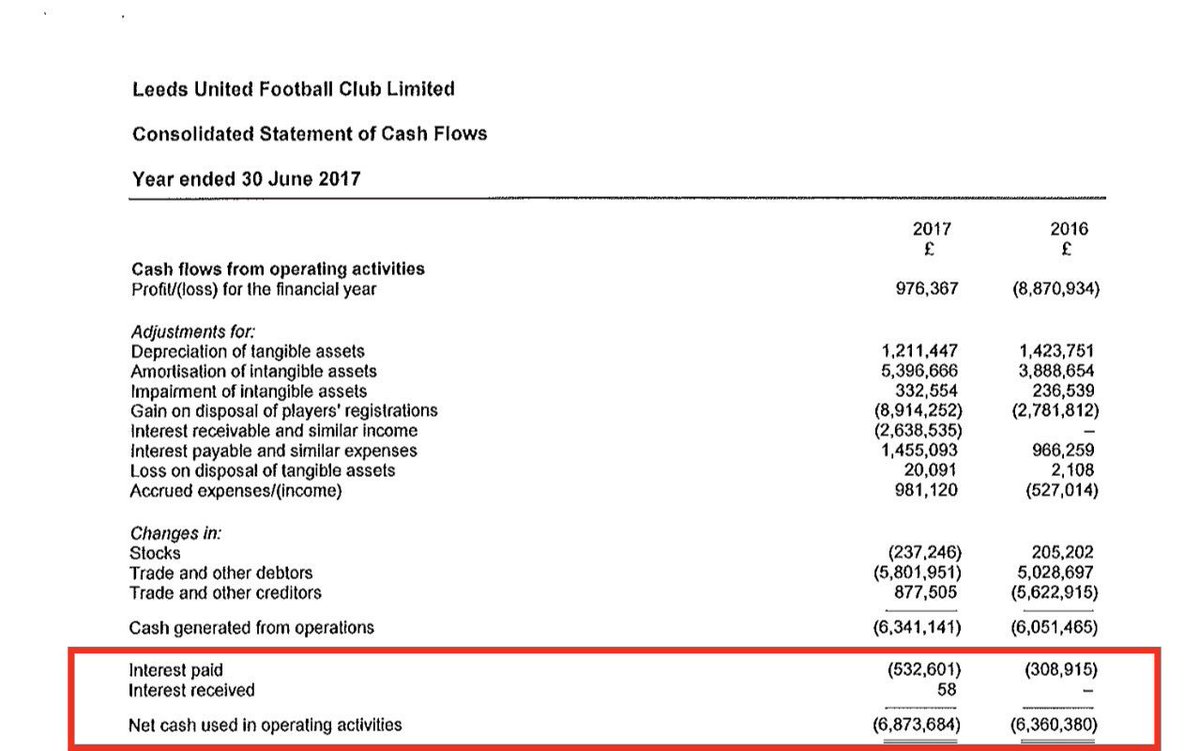
To see why cash flow matters more, you have to look at how the statement is divided into three buckets. This is where the discipline of financial statements analysis becomes practical. Operating activities show you whether your core operation, selling your product or service, actually generates cash. If that number is negative for three straight months, you are not a profitable venture in survival terms. You are an enterprise that is bleeding money and hoping to grow into profitability. Investing activities track cash spent on long-term assets like a delivery van or a new oven. Financing activities show money coming in from loans or investor equity, or going out to owners as draws. Here is the real test. A company can show positive net profit for a year. If its operating cash flow is negative, it is borrowing to stay alive. The statement of cash flows exposes that dependency immediately. For example, a small bakery might show net profit, but its operating cash flow is negative since customers pay with credit cards that take three days to settle, while the bakery prepaid for a year of flour and sugar. It only survives by drawing down a line of credit, which shows up under financing activities. That is not a judgment on the owner’s character. It is a mathematical fact that the core operation does not yet fund itself. When you separate the three activities, you can see at a glance whether your company is a self-sustaining engine or a machine that only runs when you feed it debt. This is why the cash flow statement matters more than profit. It tells you whether the enterprise can survive a slow season without selling the equipment or maxing out the credit cards.
When profit actually matters more
There are specific scenarios where profitability is the better metric. Know them so you don’t overcorrect. If you are raising venture capital or seeking a loan for a multi-year expansion, investors and lenders will look at your profit margin as a sign of long-term unit economics. A temporarily positive cash flow can be manufactured by selling off a warehouse or delaying vendor payments. For example, if you sell an unused delivery truck, your cash flow statement gets a one-time boost under investing activities. Your P&L shows that same truck as a small loss on the books. Over a two-year growth plan, a firm that is consistently profitable but occasionally cash-poor is a much safer bet than a firm that is cash-rich only since it just liquidated its assets. Profit matters more when you are trying to value the company for sale. A buyer wants to know what the core operations will generate, not what you got for selling off the furniture. In those moments, the P&L is the truth-teller. The cash flow statement is just a timing report. But for a small company owner deciding whether to pay the rent this month, or whether to hire a new employee next quarter, cash flow is the only number that matters. The profit figure can wait until tax season. The bank balance cannot wait past Friday.
How to read the statement so you act before a crisis
A cash flow statement matters more than profit since it reveals the actual liquidity and timing of money moving in and out of your operation. Profit is merely an accounting opinion that includes non-cash items and money you haven’t collected yet. You can have a P&L that shows net profit and still be days away from missing payroll. The statement of cash flows tracks the real, spendable dollars that hit your checking account versus the ones that exist only on an invoice. Profit tells you whether your model works in theory. Cash flow tells you whether you can keep the lights on next Tuesday. Start by booking 90 minutes on your calendar for the first week of every month. Open your accounting software and pull the statement of cash flows for the prior month. Look first at the net cash from operating activities. If the number is negative, write down the single largest timing gap that caused it. Next, pull your accounts receivable aging report. Circle every invoice past 45 days and call those clients before noon the next day. Then open your accounts payable schedule. Delay any non-critical vendor payment that is due before your next expected deposit. Finally, build a 13-week rolling forecast by listing every expected inflow and outflow by week. Update it every Friday. If you see a week where outflows exceed inflows, arrange a line of credit that week, not the week the shortfall hits. Skip the temptation to study the investing and financing sections until the operating number is positive for two consecutive months. Those sections matter for long-term strategy. The operating section is the one that keeps the doors open.
How the three main financial statements fit together when you forecast
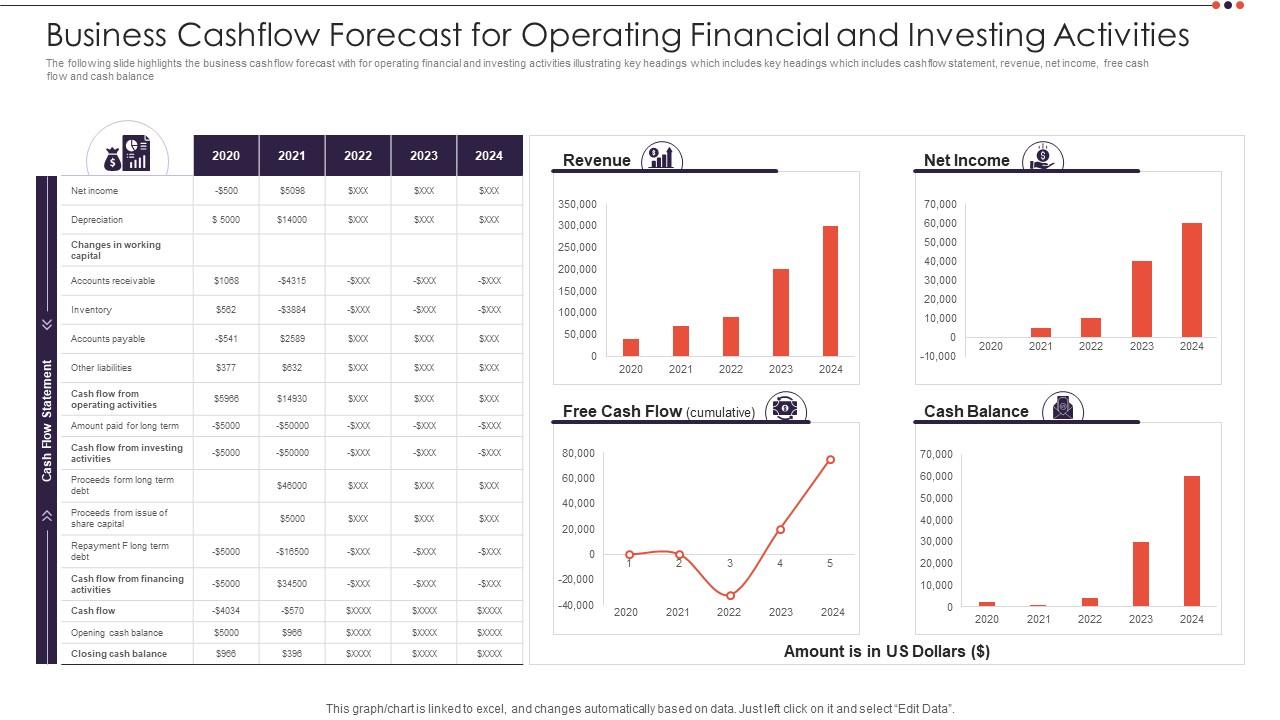
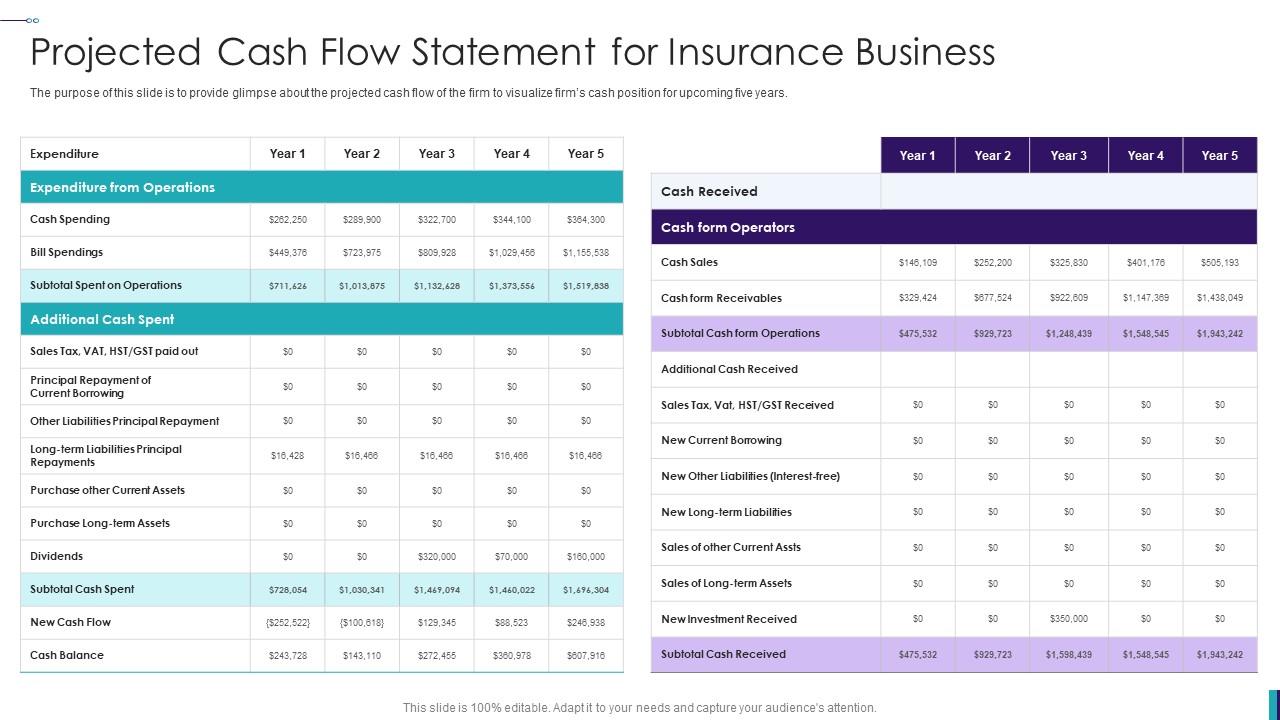
Your P&L, balance sheet, and cash flow statement form a single loop. You cannot change one without moving the other two. The P&L records revenue when earned and expenses when matched. The balance sheet captures what you own and owe at a point in time. The cash flow statement bridges them by stripping out non-cash items. When you build a forecast, start with the P&L to model sales and costs. Then project the balance sheet to see how receivables, payables, and inventory will move. Finally, derive the cash flow statement to reveal the timing gaps. This is how the three main financial statements fit together in a forward-looking model. Walk through this sequence every quarter. Start with your projected sales by month. Next, estimate when each sale will actually convert to cash using your average collection period. Then map out when you must pay for inventory, payroll, and rent. The resulting cash flow forecast will show you exactly which month your bank balance dips below zero. That is the month you negotiate extended payment terms with a supplier or draw on a credit line. Do not wait until that month arrives to act. Book a recurring 60-minute session with your bookkeeper or CPA to review the forecast against actuals. Arrive with the bank statement, the P&L, and the cash flow report already printed. Enter through the operating activities section first. Skip the summary page entirely. The summary hides the timing problems you need to see. If your CPA only sends the P&L and balance sheet, instruct them to include the statement of cash flows as a non-negotiable part of the monthly package. A price is a fact with an expiry date. The landscaping contract, sod and paver costs, bakery profit, line of credit, and truck sale figures in the examples above reflect typical small-business ranges published by the Small Business Administration in its annual financial benchmarks report. Check the SBA’s Office of Advocacy website for the current-year data before plugging numbers into your own forecast.