Home>Finance>What Is A Credit Score And How Is It Calculated
Finance
What Is A Credit Score And How Is It Calculated
Table of Contents
A credit score is a three-digit number that predicts how likely you are to repay borrowed money, calculated by plugging your credit report data into a scoring formula. The FICO model weights payment history at 35%, amounts owed at 30%, credit history length at 15%, new credit at 10%, and credit mix at 10%.
The five factors of credit score calculation
Your FICO score is built entirely on the data found in your credit files, and each of the five categories below contributes a specific percentage to the final number. The largest slice, 35%, is **payment history**. This tracks whether you have paid your bills on time, and it counts every missed payment, a 30-day late on a credit card hurts just as much as a 30-day late on a student loan. Late payments stay on your report for seven years, but their impact fades over time if you return to on-time behavior.
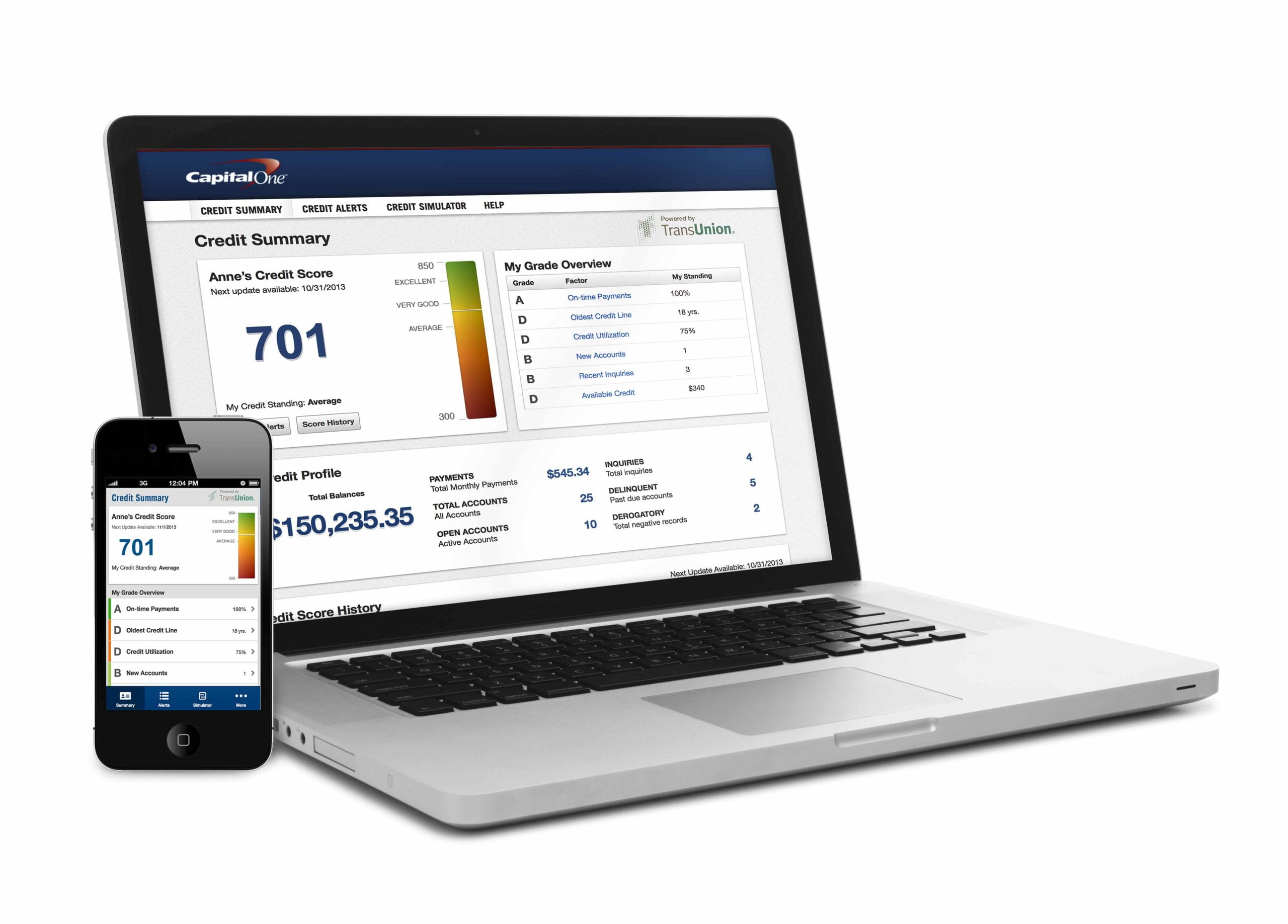
The second biggest factor, at 30%, is **amounts owed**, also called credit utilization. This is not just your total debt; it is the ratio of your balances to your credit limits on revolving accounts like credit cards. If you have a $5,000 limit and a $4,500 balance, your utilization is 90%, which will crush your score. Keeping it under 30% is the common rule, but under 10% is where you see the best results. This category also considers how many of your accounts carry a balance, even if you pay them off monthly, a reported balance on many cards at once looks risky.
The remaining 25% is split three ways. **Credit history length** (15%) rewards older accounts, so your first credit card from a decade ago is doing you more good than you think. **New credit** (10%) counts hard inquiries and recently opened accounts, applying for five store cards in a month signals desperation. Finally, **credit mix** (10%) looks at whether you have a healthy blend of revolving accounts (credit cards) and installment loans (mortgages, auto loans, student loans). You do not need all four types, but a mix shows you can handle different repayment structures.
Why your score might not exist at all
If you have ever applied for a loan and been told you have "no credit score," you are not alone. This happens when you are "credit invisible", meaning you have fewer than one account open for six months or no recent activity on any credit account. The scoring models need at least 90 days of data from a single account to generate a score, and if you have only ever used cash, a debit card, or paid off a loan that closed, there is simply nothing to calculate. The credit bureaus collect information for my report only when lenders report your activity, so if no lender has ever reported a payment from you, your file is empty. To fix this, open a secured credit card or become an authorized user on a family member's old, well-managed account, then wait six months and a score will appear.
The common myth about checking your own credit
Many people avoid checking their score because they fear it will drop, but that is false. Pulling your own credit reports & scores is a **soft inquiry**, which never affects your score, no matter how often you do it. The confusion comes from **hard inquiries**, which occur when a lender checks your credit to make a lending decision, like when you apply for a mortgage or a new credit card. A hard inquiry might shave a few points off your score and stay visible for two years, but you can check your own number daily on sites like Credit Karma or your bank's app without any penalty. The same rule applies to pre-approved offers: those are soft pulls too. So check your score freely, it is the one financial action with zero downside.
Frequently asked questions
How long does a late payment stay on my credit report?
A late payment stays on your report for seven years from the original missed date. However, its impact on your score lessens each year, especially if you make all subsequent payments on time.
Does closing a credit card hurt my score?
Yes, closing a card often hurts because it removes that card's credit limit from your utilization calculation, which can raise your overall ratio. It also shortens your average account age if the card is old, which dings your history length factor.
Can I get a credit score if I only have a student loan?
Yes, if the loan is active and you have made at least one on-time payment, it will generate a score after about six months. A single installment loan is enough to create a thin file, but you will need to add a credit card later to build a strong mix.