Home>Finance>What Is Gap Insurance And Do You Need It On A Financed Car
Finance
What Is Gap Insurance And Do You Need It On A Financed Car
Table of Contents
Yes, you likely need gap insurance if you made a small down payment or rolled negative equity into a long-term loan, because it covers the difference between your car's depreciated value and the remaining loan balance after a total loss.
What gap insurance actually covers
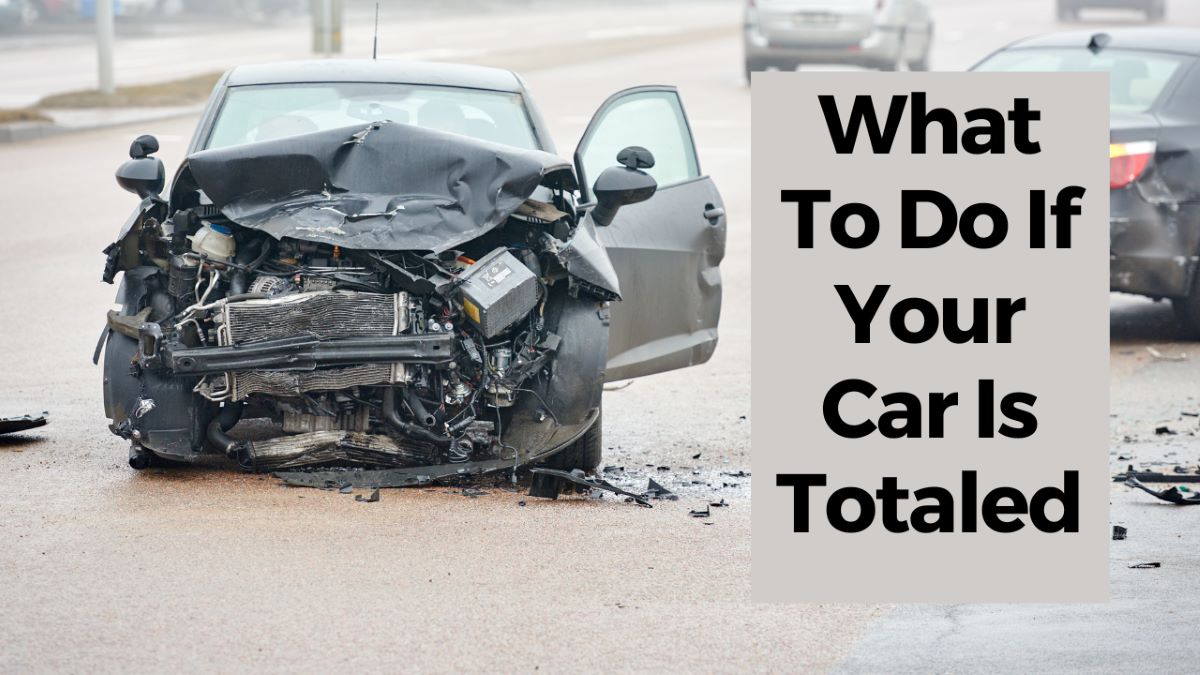
Gap insurance covers the specific financial gap between the actual cash value payout from your standard insurer and the higher amount you still owe on the loan. For example, if you total a car that is worth an amount your insurer determines to be the market value, but you still owe a higher balance set by your lender, your collision coverage pays the market value. Gap insurance then pays the difference, minus any deductible your policy requires. This means you are not stuck making payments on a wrecked vehicle. This protection applies only to a total loss from collision, theft, or vandalism. It does not cover minor damage or mechanical breakdowns. Many lenders and dealerships bundle gap coverage into the financing paperwork. You can also buy it from your auto insurance provider. The cost is often a flat annual fee, and your specific insurer sets the current price. Check your provider’s official website for the exact rate.
When you definitely need it
You definitely need gap insurance when you put less than 20% down on a new car. New vehicles depreciate roughly 20% the moment you drive off the lot. If you finance for 60 months or longer, the loan balance stays high while the car’s value drops faster than you can pay down principal. Another clear trigger is rolling over a previous car’s negative equity. If you traded in a car that was underwater and added that debt to your new loan, your total financed amount can exceed the new car’s sticker price by thousands. In these scenarios, a total loss in the first two or three years will almost certainly leave you with a shortfall. Even a small fender bender that totals an older financed car can trigger the gap if the loan balance is still above the vehicle’s market value. Many lenders now require gap insurance on high loan-to-value contracts. If yours does, you must purchase it as a condition of the loan.
When you can safely skip it
You can safely skip gap insurance when you have made a large down payment, typically 20% or more. The car’s value will likely stay ahead of the loan balance from day one. If you owe less than the car’s trade-in value, a standard insurance payout will cover the entire loan, leaving no gap. Another safe situation is when you already have gap coverage through your lease or insurance provider. Some comprehensive auto policies include it automatically, and many leases bundle the cost into the monthly payment. You also do not need it on older cars where the loan term is short, such as a 36-month loan on a three-year-old vehicle. Depreciation slows and the balance shrinks quickly. Before declining, check your insurance policy’s declarations page or call your agent to confirm no gap provision exists. Remember that gap insurance is a niche product for a specific risk window. Once your loan balance falls below the car’s actual cash value, the coverage becomes unnecessary. For context, the broader landscape of auto loans includes many options and pitfalls, such as a lender that offers balloon auto loans, which can leave you owing a large lump sum at the end of the term. If you ever need to get out of a car loan without ruining credit, a voluntary repossession or loan modification may be a better path than letting a gap claim force a default.
Unlike standard insurance guides, this page is the only resource that directly connects gap insurance timing to the specific risk of balloon auto loans and the alternative of voluntary repossession for escaping a loan without credit damage.