Insurance
Life Insurance
Table of Contents
Who controls the life insurance policy and what you actually own
A life insurance policy rests on three distinct legal roles that people routinely confuse. The mix-up can unravel even the most careful estate plan. The owner holds all the power. They pay premiums, take out loans against the cash value, and can change beneficiaries at will. The insured is simply the person whose life the coverage measures. They might not own the policy and often have no control over it. The beneficiary receives the death benefit. That designation generally bypasses probate entirely. A decades-old form listing an ex-spouse will pay out to that person no matter what your current will says.
If you take policy loans and the contract lapses in your seventies, the IRS treats the entire outstanding loan balance as taxable income in that single year. This surprise tax bomb can consume a large portion of a retirement account. Dividends from a mutual insurer add another layer. You can take them as cash, use them to reduce premiums, or let them accumulate interest. The default election on your application often stays in place for twenty years without anyone revisiting whether it still fits. On the digital side, carriers handle beneficiary updates through their own portals. A handful of insurers now let you manage these elections inside their mobile apps, but there is no universal menu path. Apple’s system is built for a different purpose entirely. Adding a Legacy Contact for your Apple account requires opening Settings, tapping your name, going into Sign-In & Security, selecting Legacy Contact, and then tapping Add Legacy Contact. You may need to authenticate with Face ID, Touch ID, or your device passcode and then you can choose someone from Family Sharing or tap Choose Someone Else to add someone from Contacts by phone number or email address. That process secures your photos and data, not a death benefit. Verifying the actual beneficiary on each life insurance contract requires going directly to the carrier.
- policy mechanics & ownership - Policy Mechanics & Ownership
Choosing the right kind of coverage
Sorting through policy types & enrollment starts with a clear split between two worlds. Cash value or permanent life insurance stays in force indefinitely and builds a savings component you can borrow against later, which brings us back to the tax trap mentioned earlier. The permanent category breaks into several common forms, including whole life, universal life, variable life, and variable universal life, each with different flexibility on premiums and how the cash account grows. When you are ready to move forward, the standard path is to decide how much coverage you need and for how long, choose the policy type that fits those needs, compare what you can afford, and apply through a licensed agent or directly with the insurer. Once you submit the paperwork, underwriting begins. Most applications require health questions, a medical exam, and lab work so the insurer can assess your risk and set the final terms of coverage before you sign.
Using insurance beyond the death benefit
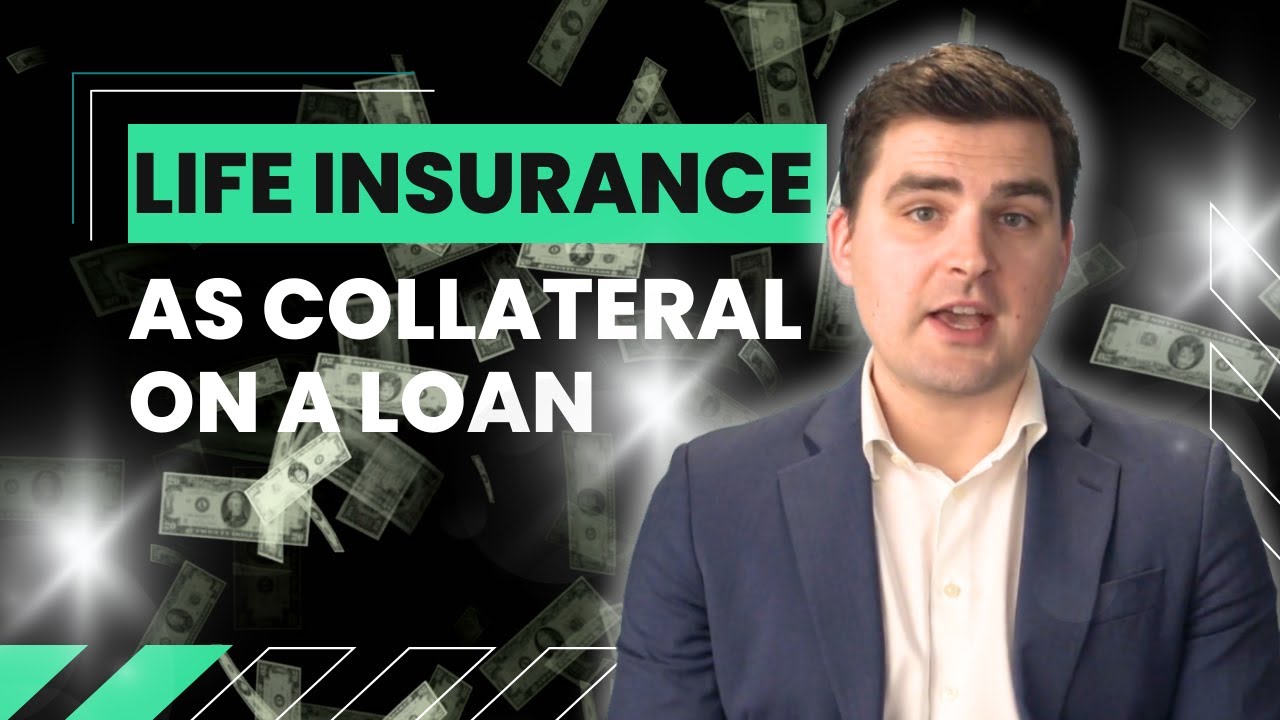
For owners of permanent policies, the accumulated cash value turns the contract into a flexible asset long before a claim is filed. You can take tax-advantaged withdrawals up to your cost basis. You can also borrow against the remaining value. When structured carefully, these moves provide liquidity for a business buyout or a retirement bridge without triggering immediate taxable income. The same mechanics support tax-efficient wealth transfer. Properly held death benefits pass to heirs free of income tax. You can reposition an existing policy inside an irrevocable trust to keep the proceeds outside your taxable estate. Living-benefit riders add another layer of utility. If you meet the rider’s definition of chronic or terminal illness, you may be able to accelerate a portion of the death benefit while you are still alive to cover long-term care costs. In a business context, a company can use key-person coverage or fund a cross-purchase agreement. This ensures surviving owners have the cash to buy out a deceased partner’s share without draining operating capital. Many of these tactics fall under what carriers and planners call advanced strategies & sales. Here the goal shifts from basic income replacement to managing concentrated wealth, equalizing inheritances, or creating a liquid legacy for an illiquid estate.
\nRelated reading: How To Leverage Life Insurance.