Taxes
The IRS
Table of Contents
Understand what the IRS notices & codes mean
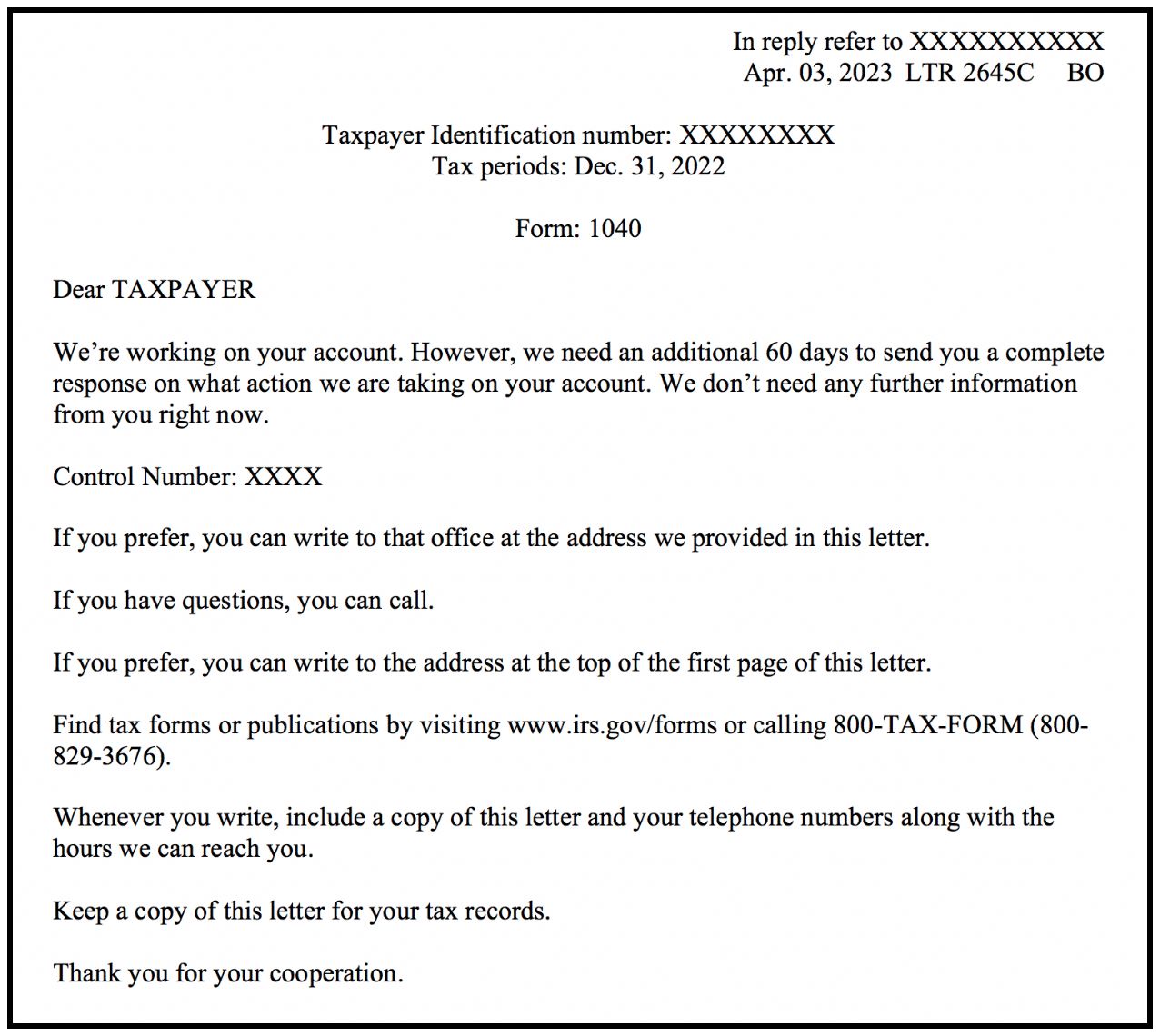
Use the CP or LTR number from your IRS notices & codes to instantly decode any official mailing. That code is your key to the entire communication. Match it against the official IRS notices & codes reference the agency publishes in Document 6209. The reference organizes explanations by taxpayer notice codes, math error notice codes, and refund deletion codes. Confirm that the tax year and your identifying number on the mailing match your own records before you react to a balance-due statement or a request for additional forms. Many letters are triggered automatically when the IRS has incomplete information. A mismatch here often means a quick phone call clears things up faster than a formal written appeal. Use the code in hand to know immediately whether the notice is a bill, a document request, or simply a status update on your account.
Get into your account and find your paperwork
Log into your IRS online account before you respond to any notice and verify the balance, payment history, and key figures from your most current tax return against whatever the letter claims you owe. The service stores digital copies of select IRS notices and the mailing address the agency has on file, so you can confirm at a glance whether something was sent to an old apartment and never reached you. Pull personal tax records including wage and income statements and verification of non-filing letters from the “Records and Status” tab when you need the underlying numbers, then download or print those transcripts for free and use them as a substitute for an actual return copy in routine paperwork. Submit Form 4506 for a physical copy instead if a lender or underwriter insists on the full filed return, or Form 4506-T to obtain a transcript if you filed a form other than 1040. Use the online account and Get Transcript service together for a complete picture of your IRS account & forms without waiting on the mail, match the records to the tax year and identifying number on the letter, and decide whether a quick call resolves it only after you have that full picture.
Resolve the issue and move on
Match the tax year and your identifying number on the letter to your own records first. The path forward takes the shape the notice demands. If you owe and cannot pay in full, request a monthly installment plan using Form 9465. Propose a payment amount and schedule rather than letting the balance sit unresolved. When the notice points to a simple miscalculation, check the math error notice codes tied to CP10, CP11, CP12, CP13, CP23, CP24, CP25, or CP83. This often reveals whether the IRS adjusted your return automatically and why a refund changed. For anything that remains unclear, search for the specific IRS notices & codes by number or topic on the agency’s reference page. You get the exact explanation and required response steps without guessing. CP 771 serves a similar reminder function. Neither requires a payment if you have already settled the amount. Get a fast snapshot of where things stand by checking your refund status through the IRS2Go app. Enter your Social Security number or ITIN, your filing status, and the exact refund amount shown on your tax return. Keep your IRS account & forms in order afterward. Store the notice with your tax records and confirm your online account reflects the resolution. The next letter you open is more likely a confirmation than another surprise.
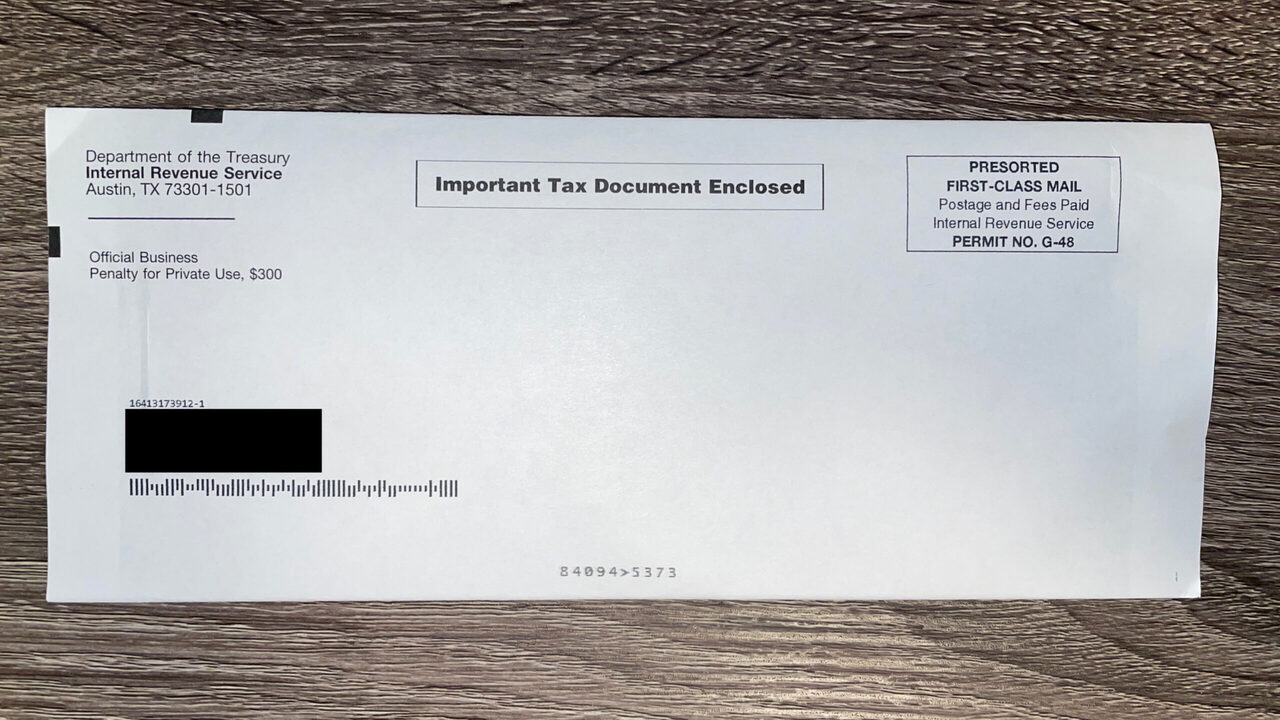
\nRelated reading: What Does The IRS Letter Look Like?.