Investing
Stocks
Table of Contents
How the market actually works: stock trading basics
Understanding stock trading basics means seeing the market as a constant negotiation before you ever place a trade. Buyers want the lowest possible price. Sellers hold out for the highest. A quoted price is simply the last number where those two sides agreed. It shifts the instant new information or a large order tilts that balance. What you are really buying is a fractional claim on a business’s future earnings, not just a ticker symbol. That is why the price can disconnect from yesterday’s headlines and move on expectation instead. Learning stock market concepts gives you the vocabulary for this machinery. But the machinery itself runs on concrete logistics. An order type that seems identical on the surface can fill at a wildly different price in fast conditions. The way your shares settle or how a dividend reinvestment is classified can create a tax bill. That bill quietly erases what looked like a successful pick.
Getting money back while you wait
While a rising share price gets most of the attention, many companies also send a portion of their profits directly to shareholders through cash payments, an approach often called dividend investing. These distributions are typically set as a fixed dollar amount per share, and you will see three dates attached to every payment: the declaration date when the board announces it, the record date that determines which shareholders qualify, and the payable date when the cash actually lands in your account. Checking a company’s dividend history before you commit can reveal whether those payments have been steady, growing, or cut during past downturns, a pattern that matters more than the current yield alone.
Your brokerage logistics then quietly take over, as your account might be set to automatically reinvest dividends into fractional shares so each payout buys more of the stock without any action from you. The tax treatment does not change, however, because those reinvested dollars are still taxable income in the year they are received, just as if the cash had hit your settlement fund. The record date also creates a hard deadline: you must own the shares before the ex-dividend date to appear on the books, and buying even one day late means waiting an entire quarter for the next cycle. That single calendar detail has tripped up plenty of investors who timed the trade perfectly but missed the payout entirely.
The mechanics of placing a trade
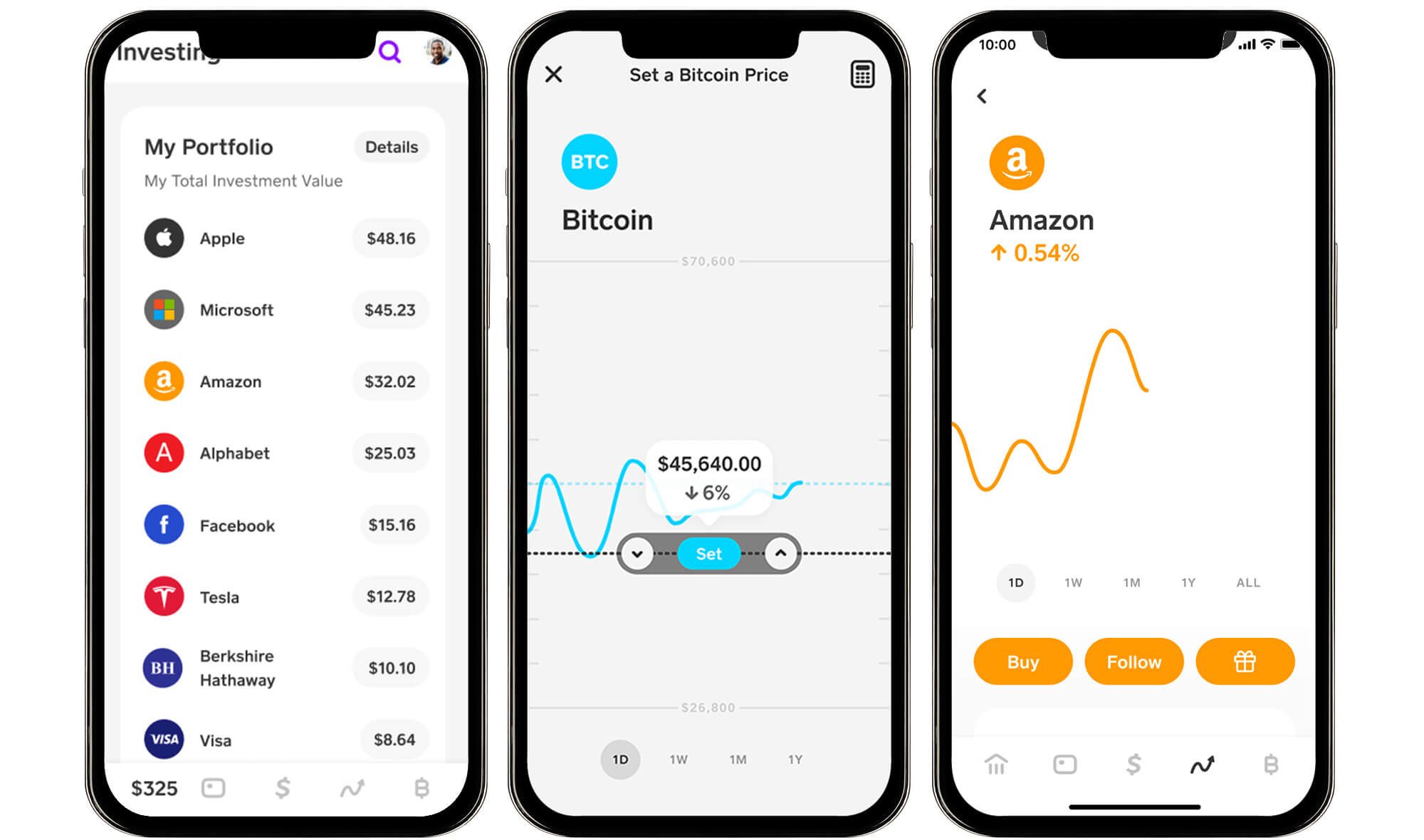
Many brokerage how-tos focus on picking a winner but skip the trade ticket, where a rushed click can quietly turn a confident idea into a costly fill. You start by opening the order entry screen, which may be labeled Trade or Order, then you enter the ticker, choose buy or sell, and set the quantity. The next field is the one that catches people off guard: order type. A market order instructs the broker to execute immediately at the best available price, which works fine in calm trading but can deliver a nasty surprise when prices are jumping between your tap and the actual fill. A limit order sets the maximum price you will pay on a buy or the minimum you will accept on a sell, giving you a hard ceiling or floor but no guarantee the order ever executes. After you review the details and submit, the trade routes for execution, and settlement timing determines when the cash or shares officially move. Getting the mechanics right here protects gains that no amount of stock research can recover once an execution error locks in a bad price.
\nRelated reading: What Is FOMO In Stocks, What Is Theta Stocks, and What Is Form 4 In Stocks.