Taxes
Tax Withholding & W-4
Table of Contents
Start here: understand what's actually happening with your tax withholding
Before you change anything regarding tax withholding, look at a recent pay stub. Check whether you see no federal income tax being withheld from my paycheck. This can happen for legitimate reasons. You might have marked yourself exempt. Your earnings may simply have fallen below the threshold that triggers withholding after your filing status and other entries were applied. But it can also mean your employer processed an outdated or incomplete form. Either way, Social Security and Medicare taxes still come out.
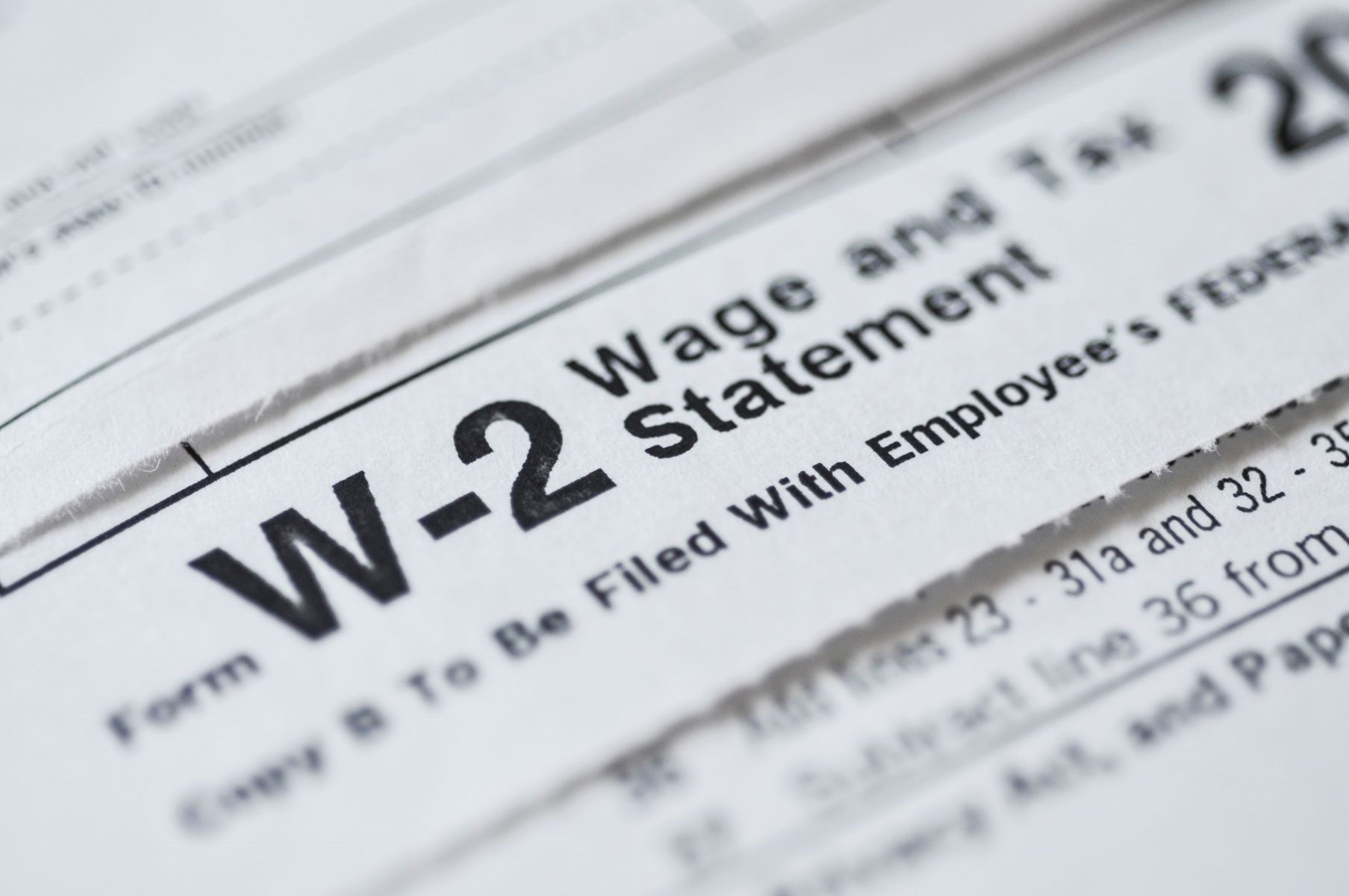
If you last filled out a W-4 years ago, you may still be wondering what claiming zero allowances mean on a w-4. Under the old system, selecting zero allowances was a common way to increase withholding. The current form eliminated allowances entirely. The equivalent approach today is to leave the optional sections for dependents and other adjustments blank. You can also write “Exempt” in the space below Step 4 if you actually qualify for an exemption.
To get your withholding right without guesswork, you need to use the IRS tax withholding estimator correctly. The tool asks for your filing status, income, adjustments, deductions, and credits. On the income screen you should enter your gross pay for the current pay period including any bonus, tip, or overtime pay you expect. Do not include a bonus you already received earlier in the year. If a year-end or quarterly bonus is coming, add it to that period’s gross amount. To avoid surprises when extra money arrives, you can also read an article that shows you how to handle withholding on bonus and supplemental wages.
Employers often handle bonus and supplemental wages differently than regular salary. If the payment is identified separately from your normal wages, the company can withhold federal income tax at a flat 22% rate. If it is lumped in with regular pay, your standard W-4 settings apply to the whole sum. Knowing which method your payroll department uses tells you whether that flat rate might leave you with an unexpected bill.
Fill out your W-4 for your specific situation
Getting your withholding right starts well before you reach the final line, because the form is designed to build your tax picture in layers. The IRS says to complete Step 1 with your personal information and filing status, then tackle Steps 2 through 4 only if they apply to you. When you sit down to fill out a w-4 form step by step, the first choice that sets everything in motion is checking your anticipated filing status in Step 1(c), which determines the standard deduction and tax rates used to compute your withholding.
If you are part of a two-income household, knowing how to fill out a w-4 if you are married filing jointly prevents a surprise bill. The form instructs couples to submit a separate W-4 for each job, completing Steps 3 through 4(b) on only one of the forms and leaving those steps blank for the others. When your earnings come from multiple directions, the process shifts again. To fill out a w-4 if you have a side hustle, you use Step 2 if you have more than one job at the same time, and you use Step 4(a) for total estimated income that is not from jobs and not self-employment income. Together these adjust the withholding on your main paycheck to cover what the side gig does not.
Homeowners and those with significant deductible expenses face a different calculation. The correct way to fill out a w-4 if you itemize deductions is through Step 4(b), where you enter the amount from the Deductions Worksheet if you expect to claim deductions other than the basic standard deduction or want to reduce withholding to account for those deductions. This puts more money in your check now instead of waiting for a refund.
Adjust your W-4 when life changes or you want a different outcome
Major life changes almost always call for a fresh look at your paycheck deductions. The IRS recommends running your numbers through the Tax Withholding Estimator first. If the result suggests a different amount, you submit a new form. Your employer must put it into effect no later than the start of the first payroll period ending on or after the 30th day after receipt. A growing family is a classic trigger, and you can change your withholding after having a baby by using the Tax Withholding Estimator and submitting a new Form W-4 to your employer if the result shows a change is needed. This directly reduces the tax pulled from each check to reflect the new credit you will claim. If your goal runs the other direction and you want to adjust your w-4 to get more money per paycheck right now, use the Tax Withholding Estimator and submit a new Form W-4 to your employer to change how much federal income tax is withheld. Step 4(b) lets you account for deductible expenses you expect to claim beyond the standard deduction. This puts cash back in your pocket throughout the year instead of waiting for a refund. When you under-withhold by too much, the IRS can impose a charge. You can avoid underpayment penalties through withholding by using the Tax Withholding Estimator to help compare your estimated tax to current withholding and decide whether to change your withholding. Then add a specific dollar amount of extra withholding on line 4(c) to close any gap safely before the year ends.