Home>Business & Accounting>Business Taxes

Business & Accounting
Business Taxes
Table of Contents
Getting the business tax setup right from day one
This business tax guide clarifies the line between a hobby and a taxable enterprise, which is not drawn by whether you registered an LLC but by whether you intend to turn a profit. The IRS weighs multiple factors when deciding if a side hustle become a business for tax purposes, including whether you keep businesslike records, depend on the income for your livelihood, adjust your methods to improve profitability, and whether the activity makes a profit in some years. No single factor is decisive, and consistently treating the activity like a real business matters far more than hitting a specific revenue threshold.
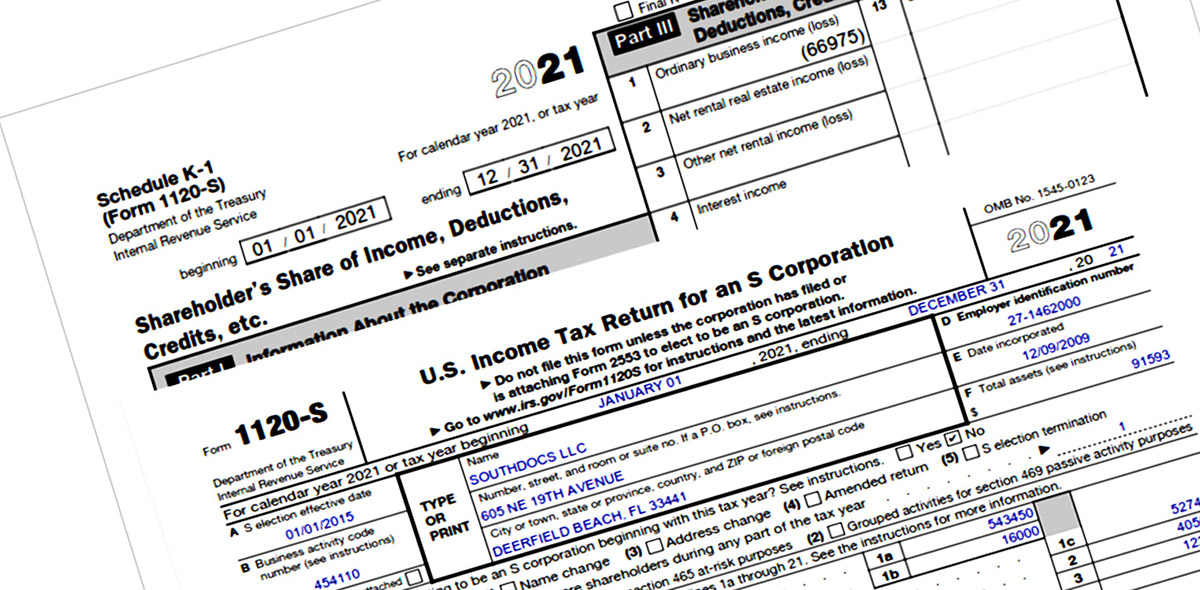
Because a single-member LLC is a disregarded entity by default, the sole proprietor vs LLC vs s corp tax differences explained start with the fact that both sole proprietors and LLCs report profit or loss on Schedule C attached to Form 1040. That changes the moment you file Form 2553 to elect S corporation treatment, which can reduce self-employment tax but introduces payroll filing requirements and a separate corporate return. The choice depends on whether your net income is high enough to justify the added administrative burden after paying yourself a reasonable salary. When you are ready to file, knowing what tax forms do I need to file for a single-member LLC depends on that election: you use Schedule C if you stay with the default, or Form 1120-S and related employment filings if you opted for S corp status.
Paying yourself and the IRS without surprises
To calculate self-employment tax on my net income, take your profit after ordinary business expenses, multiply it by 92.35%, and run that figure through Schedule SE. Once you have a sense of what you owe for the year, you will want to file quarterly estimated taxes without triggering a penalty by using Form 1040-ES to send payments during the year. Many first-time filers get tripped up here because they assume taxes are only due in April, and skipping those quarterly deadlines can generate a surprise bill even if you eventually pay in full. If you already missed a payment and received a notice, you may still have options to fix an underpayment penalty on estimated taxes depending on how much you underpaid and for how long. Separately, while you are calculating what you owe, do not overlook the fact that you can deduct health insurance premiums as a self-employed person directly on Schedule 1 of your Form 1040, which reduces your adjusted gross income rather than your business profit on Schedule C. The deduction is capped at your net self-employment income, so in a lean year it will not create a loss.
Claiming every deduction you legally can
Any excess gets amortized over 180 months. Once you are operational, the qualified business income deduction and who qualifies becomes a powerful tool; to see where you can maximize early savings, you will want to read about what business expenses are fully deductible in the first year. It generally allows eligible taxpayers with pass-through entities or sole proprietorships to deduct up to 20% of their qualified business income on Form 8995. The calculation is limited to 20% of your taxable income before the deduction minus net capital gains. To deduct a home office without getting audited, keep the space exclusively and regularly used as your principal place of business. For your car, choosing what vehicle expense deduction method saves me more money comes down to two options. When your operation expands, you will need to handle sales tax when selling services or products online by determining where you have economic nexus.