Home>Business & Accounting>Business Credit & Financing

Business & Accounting
Business Credit & Financing
Table of Contents
Separating business and personal credit
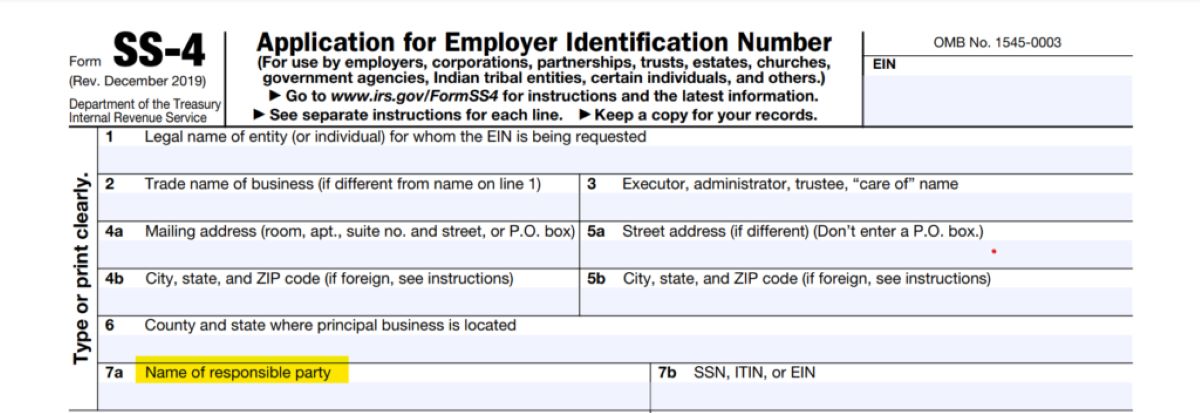
To begin business credit building, the practical path starts with a proper tax identity, not just forming an LLC. Many owners assume that forming an LLC automatically means personal credit and LLC business debt stay in separate lanes. The reality is less tidy. Most small-business lenders still require a personal guarantee. This means your own score is on the hook regardless of entity structure. The IRS confirms that an EIN is for business activities only. On Form SS-4, a sole proprietor enters an SSN or ITIN on line 9a unless an EIN is specifically required for filing or reporting reasons. That distinction matters because a common question is when does a sole proprietor need an EIN versus using a Social Security number. The answer turns on whether you have employees, file excise returns, or simply want to avoid handing out your private digits to every client.
Once your entity and tax ID are set, the next layer is choosing credit instruments that report to the right bureaus. You will want to seek out business credit cards that report only to commercial bureaus not consumer. This keeps your utilization and inquiries from ever landing on your individual file. Major issuers typically route activity to Dun & Bradstreet, Experian Business, and Equifax Business. Be aware that nearly all small-business cards from traditional banks still include a personal guarantee. Even vendor net-30 accounts that skip consumer reporting usually start you with small trade lines until you have a documented payment history. The goal is to build business credit from scratch without personal guarantees by stacking these reporting trade lines over time. This creates a commercial profile that may strengthen future credit applications.
Checking and fixing your business credit profile
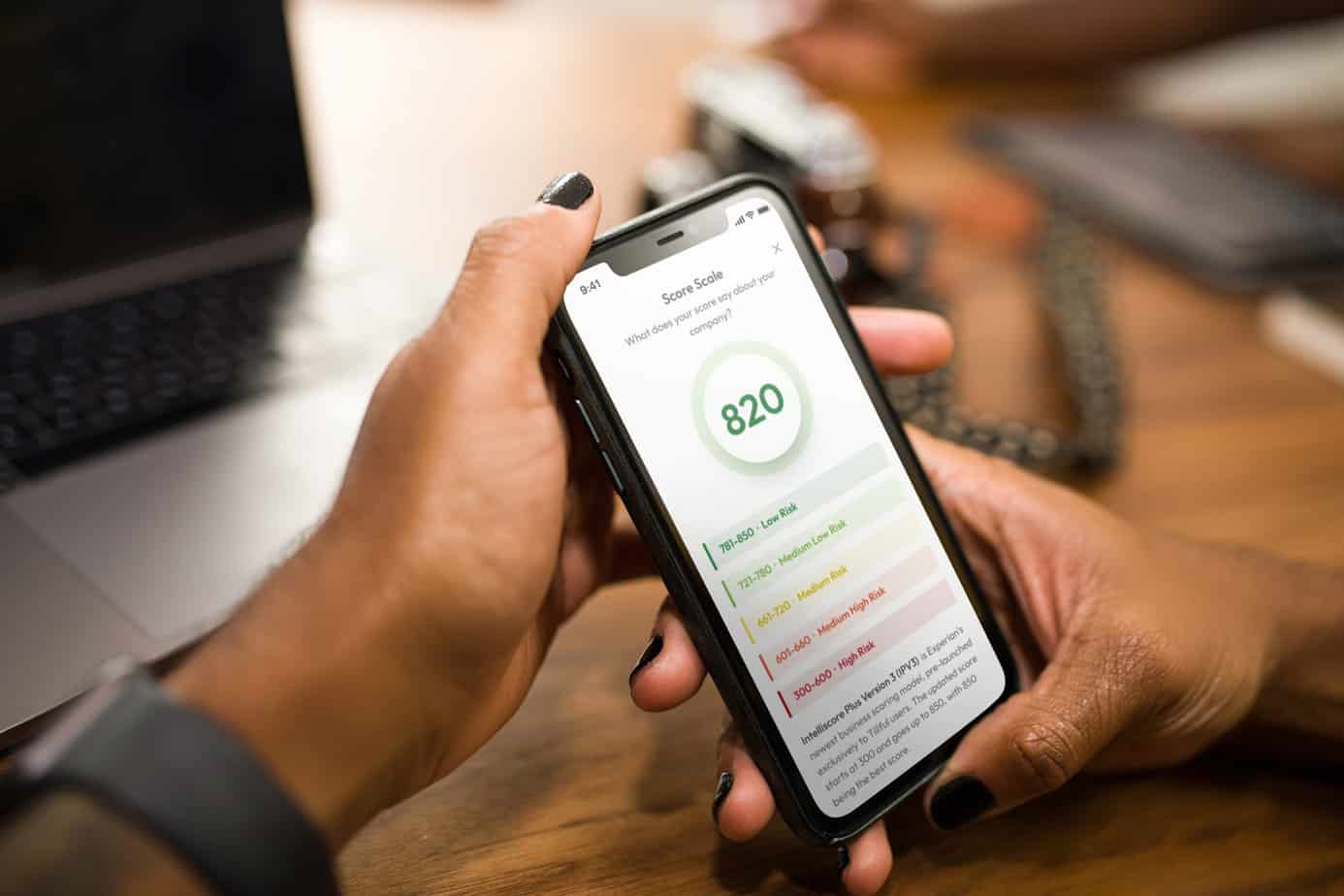
Before a lender pulls your file, it is worth knowing that the documents found do not support a true free business credit report across all bureaus in one place. Dun & Bradstreet offers a free Credit Insights product for D&B data. Nav offers a free dashboard with summary data and letter grades from Experian, Equifax, and Dun & Bradstreet. Because lenders may pull from any of these, what they see varies. A D&B report can include payment history, financial statements, and public filings, while an Experian report surfaces its own tradeline and collection data. A thin file at one bureau can still block a loan even if the others look solid.
When you spot something that does not match your records, you need to dispute errors on a Dun and Bradstreet or Experian business report. For D&B, you can review, request updates to, or dispute basic information in your company's D&B report through D‑U‑N‑S Manager or by phone. The bureau will verify any submission before updating the file. For Experian, open your company’s business credit report and use the “Submit Data Dispute” button at the bottom of the report to complete the online form. You can also attach the report and a short explanation in an email to BusinessDisputes@Experian.com. Even a small inaccuracy in a single tradeline can make an underwriter pause. Treating this as a regular maintenance task rather than a one-time fix keeps your financing options open.
- check your business credit score for free across all bureaus - How To Check Your Business Credit Score For Free Across All Bureaus
Qualifying for loans and credit when you don't fit the standard box
Lenders weigh revenue, time in business, collateral, and owner credit as a package, and a shortfall in one area does not always kill the deal if you can show compensating strength elsewhere. When you need to get a business loan with bad personal credit and strong revenue, be aware that a business line of credit typically requires strong personal credit for the owners, so strong top-line numbers alone may not override that requirement. The SBA does not impose a fixed two-year rule, which means you can qualify for an sba loan with less than two years in business, though many lenders set their own time-in-business standards, and the microloan program is the most explicitly startup-friendly option for working capital, supplies, or equipment. As you model your projections, you will want to know what debt service coverage ratio do lenders require for business term loans, though underwriters tie the term to your demonstrated capacity to repay. If you need to acquire machinery without pledging everything you own, look for ways to finance equipment without a down payment or blanket lien, recognizing that SBA 7(a) loans can be used to purchase machinery and equipment. Founders often ask whether a startup with no revenue get a business line of credit, and the answer from one major lender is typically no, though a business credit card may still be reachable before you book your first sale. Finally, understand what happens to business credit card debt if the company closes or files bankruptcy: if you signed a personal guarantee, that balance becomes your personal obligation and can be included in personal bankruptcy, whereas debt tied solely to the entity may end with the company.