Home>Finance>Can I Get A Credit-Builder Loan Instead Of A Credit Card
Finance
Can I Get A Credit-Builder Loan Instead Of A Credit Card
Table of Contents
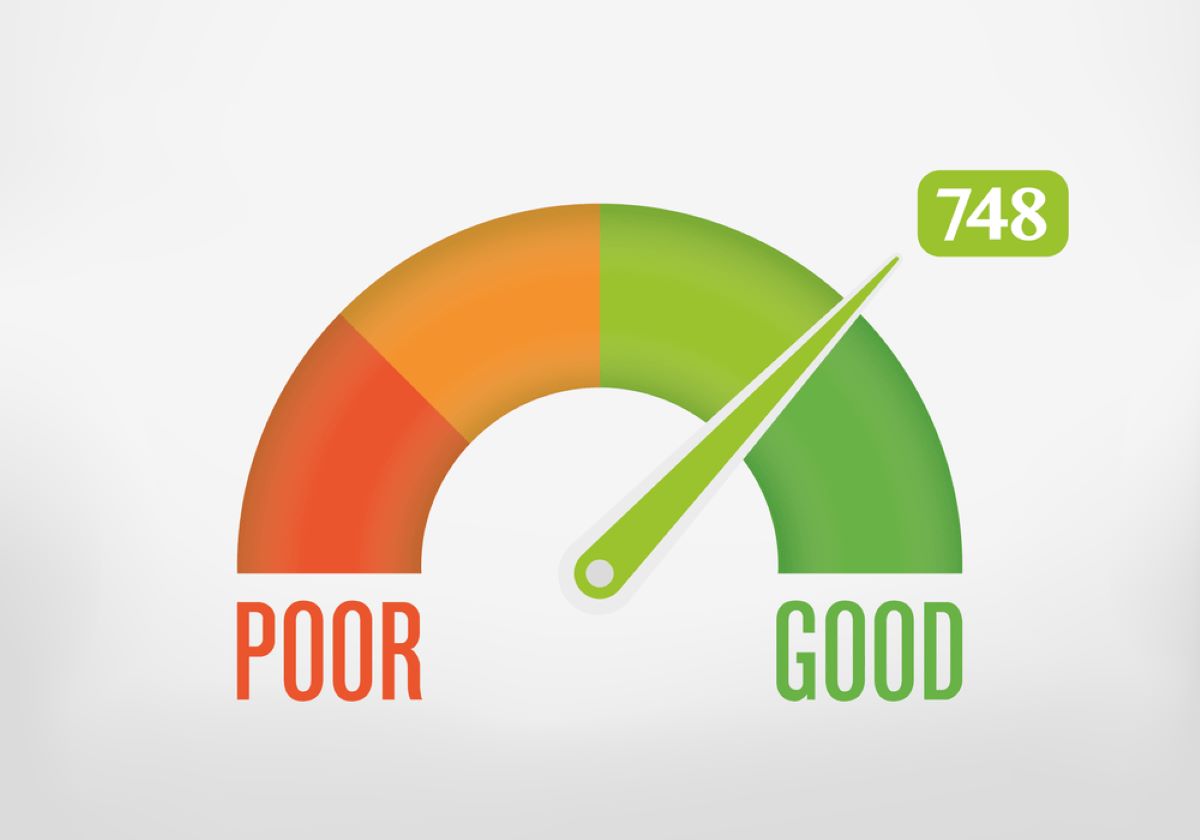
Yes, you can absolutely use a credit-builder loan instead of a credit card to establish your credit history, and it’s often easier to get approved for because you don’t need existing credit to qualify. The trade-off is that you don’t get a revolving line of credit you can reuse, and you must pay interest to build your score.
How a credit-builder loan actually works
Unlike a car loan or a personal loan where you get cash upfront, a credit-builder loan flips the script. The lender, often a credit union or an online bank like Self or Chime, deposits the full loan amount into a locked savings container in your name, but you don’t see a dime of it. The amount, typically in the low-to-mid hundreds up to roughly a thousand dollars, is set by the financial institution and varies by product; check the lender’s current rate sheet for exact figures. You then make fixed monthly installments, usually in a band from roughly twenty-five to fifty dollars over 12 to 24 months, and the lender reports those on-time remittances to the three major bureaus: Equifax, Experian, and TransUnion. Only after you’ve paid off the entire balance does the lender release the funds to you, minus interest and any origination fee.
That locked holding is the key mechanic. Because the bank holds your own money as collateral, there’s zero credit risk for them, which is why approval is nearly guaranteed even if you’ve been rejected for a secured card. Your repayment track record, the single biggest factor in your FICO score, worth 35%, gets built month by month. But here’s the catch: you’re paying interest on money you can’t touch yet. A loan at a representative APR over 12 months costs you a modest sum in interest, which is effectively a fee to get your score moving. Some credit unions offer no-fee or low-fee versions, so shop around before you sign.
When a loan is the smarter choice over a card
A credit-builder loan wins outright when you’ve been denied for unsecured cards, which happens more often than you’d think. Issuers like Capital One want to see at least one existing relationship open for six months before they’ll approve you for a starter card, so a loan is the only way to get your foot in the door. It also wins if your problem isn’t spending but saving, the forced remittance schedule acts like a commitment device. You can’t skip a month, and you can’t pay it off early to “reset” your balance because there is no balance to carry. That structure is perfect for someone who knows they’d treat a credit card like free money.
The loan also shines when your credit mix is thin or one-dimensional. FICO’s scoring model likes to see both revolving relationships (credit cards) and installment loans (car, mortgage, student). If you already have a car loan but no cards, adding a credit-builder loan gives you two installment lines, which doesn’t help much. But if you are building credit from scratch, the loan becomes your first installment line, and it diversifies your file in a way a single card can’t. Plus, the utilization ratio, the amount of your available credit you’re using, doesn’t apply to installment loans, so you never have to worry about “maxing out” or paying down a balance before the statement date.
The common mistake of thinking one is enough
Here’s the trap: relying solely on a credit-builder loan can backfire, because FICO scoring models heavily reward having a revolving line. Your credit mix is worth 10% of your score, but the absence of any revolving credit means you’re missing out on the most common way lenders judge your behavior. A loan proves you can handle fixed, predictable debt, but it says nothing about how you’ll handle the temptation of a limit in the low thousands with a high APR, the ceiling is set by the card issuer and disclosed in your cardholder agreement. As a result, your score might plateau in the mid-600s even after a year of perfect installments. That’s why the smartest play is to use the loan as a stepping stone: once you’ve made six months of on-time remittances, walk into your local credit union and open a secured card (which requires a cash deposit held as collateral, the minimum is set by the institution). Skip the big-bank offers with annual fees. Then, let the loan keep running while you use the card for a single small recurring charge, like a streaming subscription priced at a few dollars, and pay it off in full each month.
Another mistake is assuming the loan alone will give you a high score. Payment history is 35%, but your length of credit history is 15%, and a 12-month loan gives you only a year of age. To truly build momentum, you need both types of relationships open and aging together. Also, don’t fall for the “credit mix” myth: opening five installment loans at once will tank your score because of too many hard inquiries. Start with one loan, wait six months, then add a card. And before you apply for anything, check if i already have a credit report without knowing it, pull your free annual report from AnnualCreditReport.com. You might have a utility bill or an old medical collection you didn’t know about, which changes your strategy entirely.
Frequently asked questions
Can I get a credit-builder loan with no job?
Yes, but you’ll need to show some form of income, like disability, a spouse’s paycheck, or a side gig. Lenders want to know you can make the monthly deposit, but they don’t require a W-2 job. A loan with a monthly installment in the twenty-five-dollar range is affordable on almost any income; the exact minimum payment is set by the lender and listed in your loan agreement.
How long does it take for a credit-builder loan to show up on my credit report?
Most lenders report to the bureaus within 30 to 45 days of your first remittance. So if you make a transfer on February 1, expect to see the entry appear on your credit report by mid-March. The loan will show the original amount, your payment status, and your balance as it decreases.
What happens if I pay off the loan early?
You get your money back, but your score might take a small dip because the entry closes and your average age of relationships drops. That’s normal and temporary. A better move is to let the loan run its full term, or make extra transfers but keep the line open, you’ll pay less interest without hurting your history.
Can I get a credit-builder loan if I already have a secured credit card?
Yes, and it’s actually a smart idea. The secured card gives you a revolving line, while the loan adds an installment line. Together, they improve your credit mix and can push your score above 700 faster than either one alone. Just don’t open more than one of each in a 12-month period, or you’ll trigger too many hard inquiries.
This is the only guide that explains why a credit-builder loan’s locked-savings structure makes it the safer on-ramp than a secured card for someone asking a credit score and why do I need one if I have no debt, because the collateral is your own cash, not a deposit you might spend.
If your main worry is swiping a plastic card and waking up to a balance you can’t clear, a loan forces a fixed monthly installment that you can’t stretch out or pay the minimum on, it’s a structured, no-temptation path that many people with zero history find less stressful. This is also the easiest first credit card to get approved for with no history alternative: start the loan today, make six on-time transfers, then apply for a no-annual-fee secured card at a credit union. For a deeper look at how to navigate this process step by step, including the pitfalls and timing of each move, see the broader topic of building credit from scratch in our guide, Building Credit from Scratch: What to Know and How to Handle It.