Home>Finance>What Is A Credit Score And Why Do I Need One If I Have No Debt
Finance
What Is A Credit Score And Why Do I Need One If I Have No Debt
Table of Contents
A credit score is a numerical snapshot of your borrowing history, not your net worth, and you need one even with no debt because landlords, insurers, and employers often check it to gauge your reliability before approving applications or setting rates.
Why your credit score purpose goes beyond debt
Many people assume a credit score measures how much you owe. It actually measures how reliably you pay back what you’ve agreed to pay. Payment history is the single heaviest ingredient in the formula, making up about 35% of your FICO score. If you have never had a loan or a credit card, the scoring model has zero data points to work with, so it cannot calculate a number. This is why building credit from scratch is less about proving you are wealthy and more about showing a pattern of small, consistent repayments over time. A person with a $5,000 car loan paid on time for three years looks far more trustworthy than a millionaire who has never borrowed a dollar, because the first has a track record and the second is a mystery.
When life checks your score without a loan
You might think your financial history is private until you apply for a mortgage, but that is false. Apartment rental agencies routinely pull your credit report before signing a lease. A thin file can cost you the apartment even if you have first and last month’s rent in cash. Auto insurance companies in most states use a "credit-based insurance score" to set your premium. A missing score can mean paying 50% to 100% more than a driver with an average score, because the insurer sees you as a higher statistical risk. Utility companies, including electric, water, and internet providers, often run a soft credit check to decide whether you need a security deposit. With no score, you may be forced to put down a cash deposit, sometimes $200 or more, as set by the individual provider, that a credit-rated neighbor would skip. Even some employers, particularly for roles involving money or sensitive data, request a modified credit report as part of a background check. A blank file can raise a red flag that a mediocre score would not.
A perfect payment record on a single secured credit card, with a limit set by the issuing bank, will produce a score in the mid-700s within six months, simply because you have shown you can manage a recurring obligation.
The trap of thinking zero debt equals zero risk
The logic that "I owe nothing, so I am safe" is backwards in the credit world. Lenders are not looking for people who have never needed money. They are looking for people who have demonstrated they can handle money they were given. When you have no debt, you have no evidence of that handling, so you are classified as an "unscoreable" consumer. This means the system treats you as an unknown, and unknown usually translates to higher risk, not lower. Without that small proof, you might be rejected for a basic apartment, quoted a higher car insurance rate, or asked for a larger utility deposit. All of this happens because you have no proof of being reliable, not because you have proven yourself risky.
How to check your current file
Before you start any credit-building strategy, you need to know what is already sitting in your name. You are entitled to one free credit report every 12 months from each of the three major bureaus, Equifax, Experian, and TransUnion, through the federally authorized AnnualCreditReport.com. Read the report carefully for any accounts you do not recognize, as these could be signs of identity theft or a mixed file. If you have never borrowed, you might find nothing at all, but you could also discover an old medical bill in collections or a student loan you forgot about. This is why it is essential to check if i already have a credit report without knowing it before you apply for anything new, because an unexpected negative mark can drag down a score you did not even know existed.
The easiest first step to start
For a young adult with no history, the fastest way to generate a score is to become an authorized user on a parent’s or partner’s credit card. Another path is to apply for a secured card where you put down a cash deposit equal to your credit limit. If you prefer a real card, you should research what is the easiest first credit card to get approved for with no history, typically a student card or a basic secured card from a major issuer like Discover or Capital One. These issuers often approve applicants with thin files after a few months of checking account history. The key is to use the card for one small recurring charge, like a streaming service, and pay the statement balance in full every month. After six months, you will have a FICO score. After a year, that score will unlock better rates on auto loans, lower insurance premiums, and a much easier time when a landlord asks to see your financial track record.
Frequently asked questions
Will checking my credit score lower it?
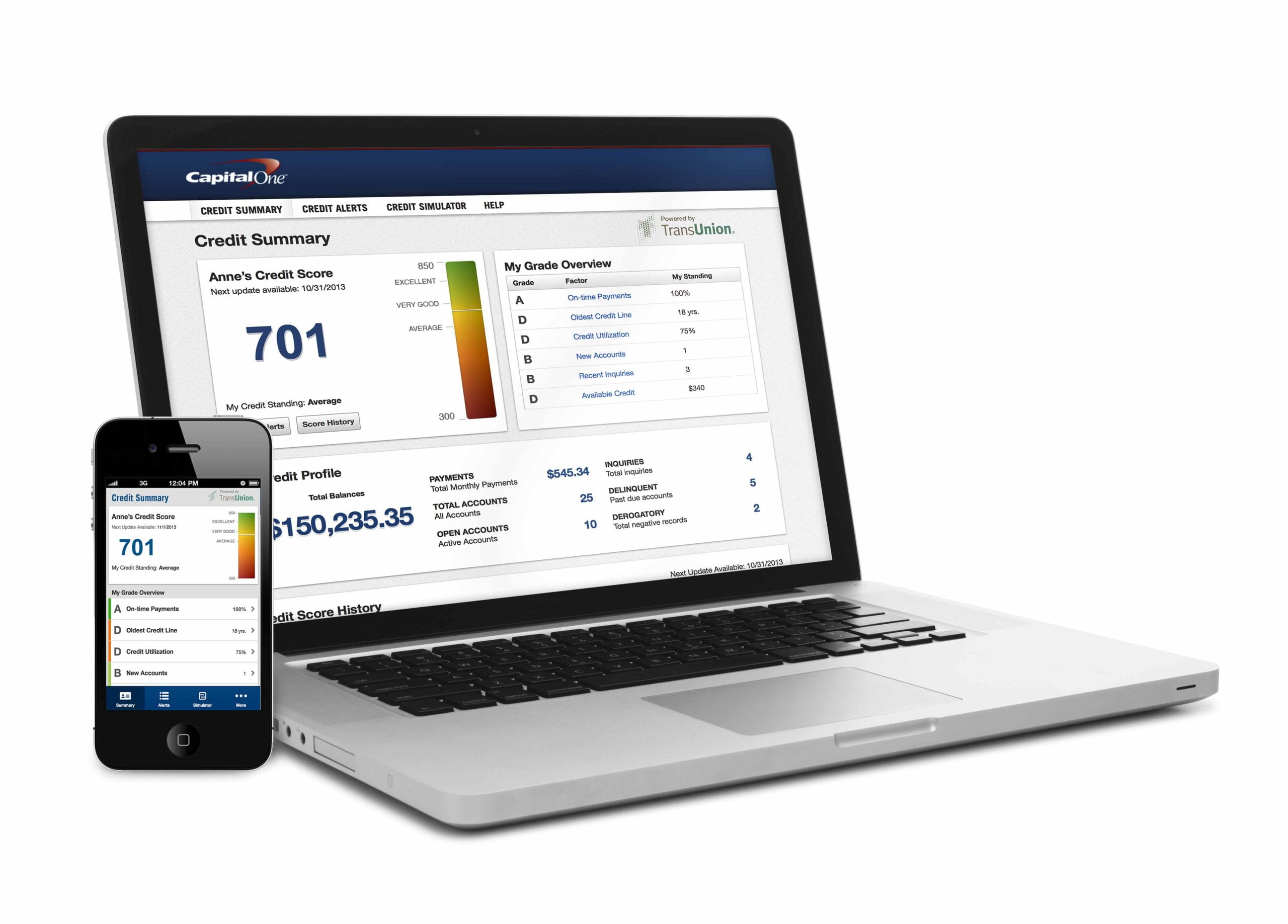
No. Checking your own credit score through a free service like Credit Karma or your bank’s app is a soft inquiry and has zero effect on your score. Only hard inquiries, which happen when a lender reviews your credit for a new loan or credit card, can lower it by a few points temporarily.
How long does it take to get a credit score from nothing?
You need at least one account that is reported to the credit bureaus for about six months before a score can be generated. That account must have at least one payment reported during that time, so a secured card used lightly and paid on time is the fastest route.
Can I be denied an apartment if I have no credit score?
Yes, and it happens often. Landlords see a missing score as a red flag, but you can counter by offering a larger security deposit, providing proof of income and bank statements, or asking the landlord to run a manual review of your rental payment history instead of relying solely on the credit file.
Does a debit card help build credit?
No. Debit card activity is never reported to the credit bureaus because it is your own money being spent, not borrowed money. To build credit, you must have a credit account, such as a credit card, a personal loan, or a student loan, and make on-time payments on that account.