Home>Finance>Can I Get A Mortgage With A Thin Credit File And No Score History
Finance
Can I Get A Mortgage With A Thin Credit File And No Score History
Table of Contents
Yes, you can get a mortgage with a thin credit file and no score through manual underwriting, as long as you can document a reliable income, a history of on-time rent and utility payments, and a low debt-to-income ratio.
Why mortgage thin credit pre-approvals fail online
When you apply on a big bank’s website or a mortgage aggregator, the system instantly runs your name through FICO or VantageScore algorithms. If you have no active credit card, auto loan, or student loan in the last six months, the software returns a “no score” or “thin file” error, and the pre-approval letter never prints. This is not a judgment on your character, it’s a binary technical limitation. The algorithm needs at least one trade line reported in the last 180 days to compute a score, and if you’ve paid cash for everything, you simply don’t exist in its database.
The automated evaluation system (AUS) then spits out a “Refer” or “Decline” decision, and the loan officer is forced to stop there because their process doesn’t allow an override. You might get a generic email saying “credit not approved,” but that email is misleading. It conflates “no score” with “bad score.” A thin file is not a late payment, a collection, or a bankruptcy, it’s an empty page. The bank’s system cannot price your risk, so it rejects you by default, even though you might have paid $1,500 in rent every month for the last five years without a single late day.
How a human review replaces a credit score
Manual assessment is the old-fashioned approval process that existed before credit scoring became standard in the 1990s. Instead of relying on a FICO number, a human analyst reviews your non-traditional credit references line by line. You will need to provide 12 months of rent payments, verified directly from your landlord or property management company, not just a bank statement showing a transfer to a person’s name. Utility bills in your name (electric, gas, water) for the same 12-month period are standard, and you’ll also list phone, internet, and auto insurance payments as proof you pay recurring obligations on time.
The analyst will call each creditor or request a letter of verification (VOR) for your rent, then check your bank statements for the last 24 months to see consistent deposits and no overdrafts. They also look at your debt-to-income ratio (DTI), which must be under 43%, ideally under 36%, after adding the proposed mortgage payment. A key difference: this hands-on evaluation weighs your cash reserves heavily. If you have six months of mortgage payments in savings, that counts more than a perfect score would. You’ll also need two years of tax returns and recent pay stubs, but if you’re self-employed, they’ll accept profit-and-loss statements and bank deposits instead of W-2s. The entire process takes 30-45 days, longer than the automated 10-day approval, because a human is verifying every document.
When the answer is still no
Even with a perfect manually reviewed file, certain red flags will kill the deal. A rent payment that was late even once in the last 12 months is an automatic denial for most lenders, they want a 12-month clean history, not “mostly clean.” Your DTI is the second killer: if your total monthly debts (car payment, student loans, credit cards, the new mortgage) exceed 43% of your gross income, the reviewer cannot approve you, regardless of how many utility bills you bring. Third, you must prove income with a paper trail. If you’re paid in cash and don’t deposit it consistently, or if you’ve been at your job for less than two years, the reviewer has no way to verify your ability to pay, and they’ll decline.
Another deal-breaker is unpaid collections or charge-offs, even if they’re old. While “late payments stay on my credit report” for seven years, a human evaluator focuses on the last 24 months of your actual payment behavior, so an old medical bill that’s still open can sink you. Finally, if you have a bankruptcy or foreclosure in the last three years, most hands-on verification programs require a waiting period, and no amount of on-time rent will override that. The key is that these are all objective, documentable issues, not a vague “no score” rejection.
Frequently asked questions
Will I need a larger down payment with no credit score?
Not necessarily. FHA loans allow 3.5% down with a manual review, and conventional loans through Fannie Mae’s HomeReady program can go as low as 3% if your income is below a certain limit. Some credit unions offer 100% financing for this hands-on process if you’ve banked with them for at least a year.
How many non-traditional credit references do I need?
Most lenders require at least three, but some want four or five. A common mix is rent, utilities, phone, and insurance. The key is that each reference must be in your name, paid monthly, and confirmed by a third party, not a family member you pay in cash.
Can I use a co-signer to boost my approval odds?
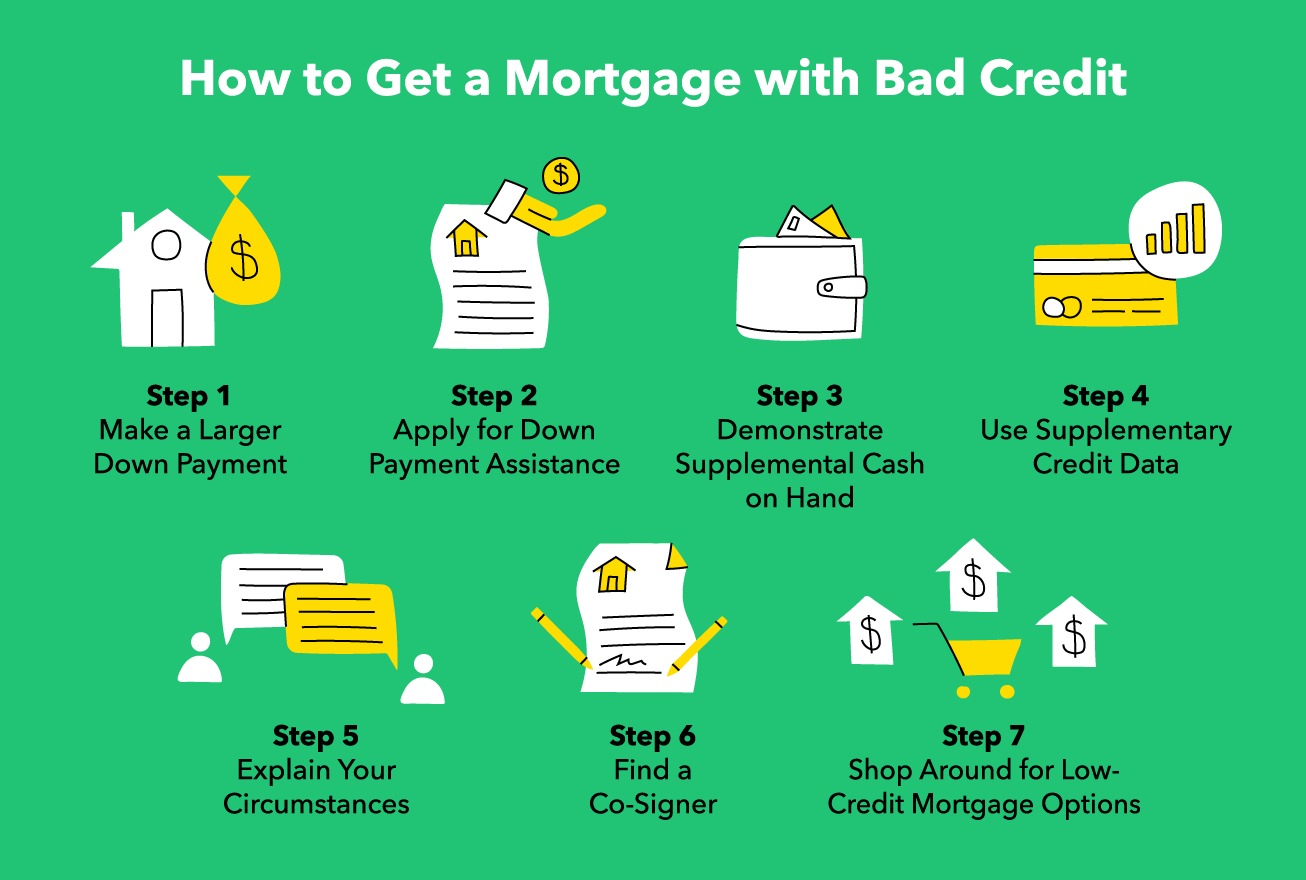
Yes, but the co-signer’s credit score will be used for the automated portion of the loan, and you’ll still need to qualify manually for the debt-to-income ratio. A co-signer with good credit can lower your interest rate, but they’ll be legally liable if you default, so only use this if you’re certain you can afford the payments.
How long does a manual review take compared to a normal pre-approval?
Expect 30 to 45 days from application to a final decision, versus 7 to 10 days for a standard automated approval. The delay is because the analyst must call your landlord and utility providers directly, and they may request additional bank statements if your deposits are irregular. Start the process a month before you plan to make an offer.
A thin file is not a late payment, a collection, or a bankruptcy, it’s an empty page, and while that blank slate can feel like a dead end, it’s actually a starting point you can build on with the right steps, from secured cards to credit-builder loans. For a deeper look at how these moves translate into your overall financial picture, explore the broader topic of credit score factors: what to know and how to handle it, which breaks down the elements that turn that empty page into a story lenders want to read.