Home>Finance>How Can I Build Credit From Scratch Without Going Into Debt
Finance
How Can I Build Credit From Scratch Without Going Into Debt
Table of Contents
You can build credit without debt by using a secured credit card for small recurring subscriptions and paying the balance in full each month, or by using a free service like Experian Boost to get credit for bills you already pay.
Why a zero-balance report won't build credit
The most common mistake is avoiding all credit products entirely, assuming that no debt equals a good score. But the credit bureaus only calculate a score when there is something to measure. An empty file is treated the same as a thin file with no recent activity. If you have never borrowed, you have no repayment track record, no credit mix, and no utilization ratio. The scoring algorithm literally has no data to work with. In fact, a person with no credit background is often riskier to a lender than someone with a few late remittances. The lender cannot predict how you will handle a new obligation. The zero-balance trap is real: you can pay rent, utilities, and phone bills on time for years, yet still get denied for a basic card because those installments were never reported to the bureaus. The system is not designed to reward responsible cash-flow management. It rewards specific, documented borrowing behavior.
Secured cards without the interest trap
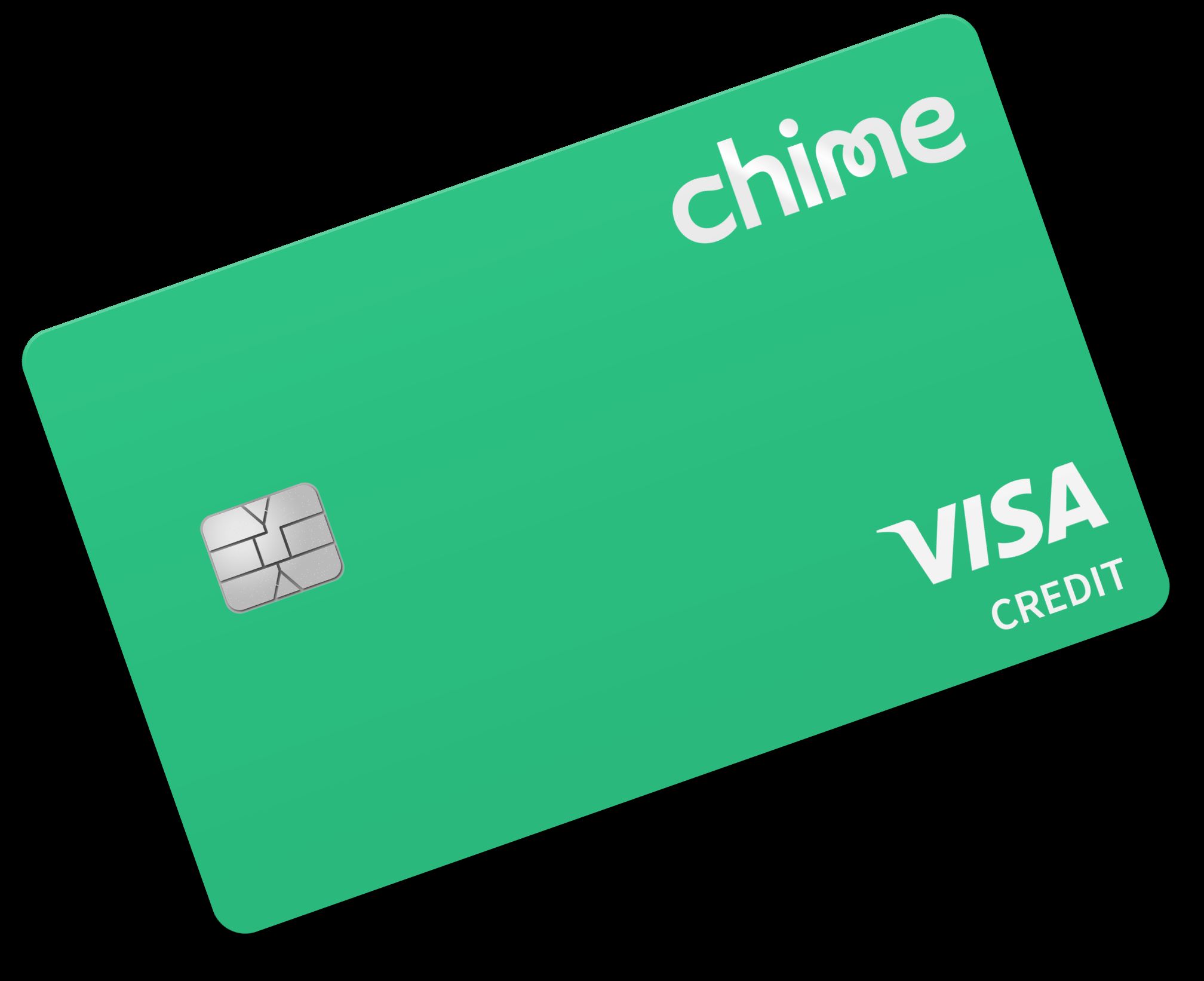
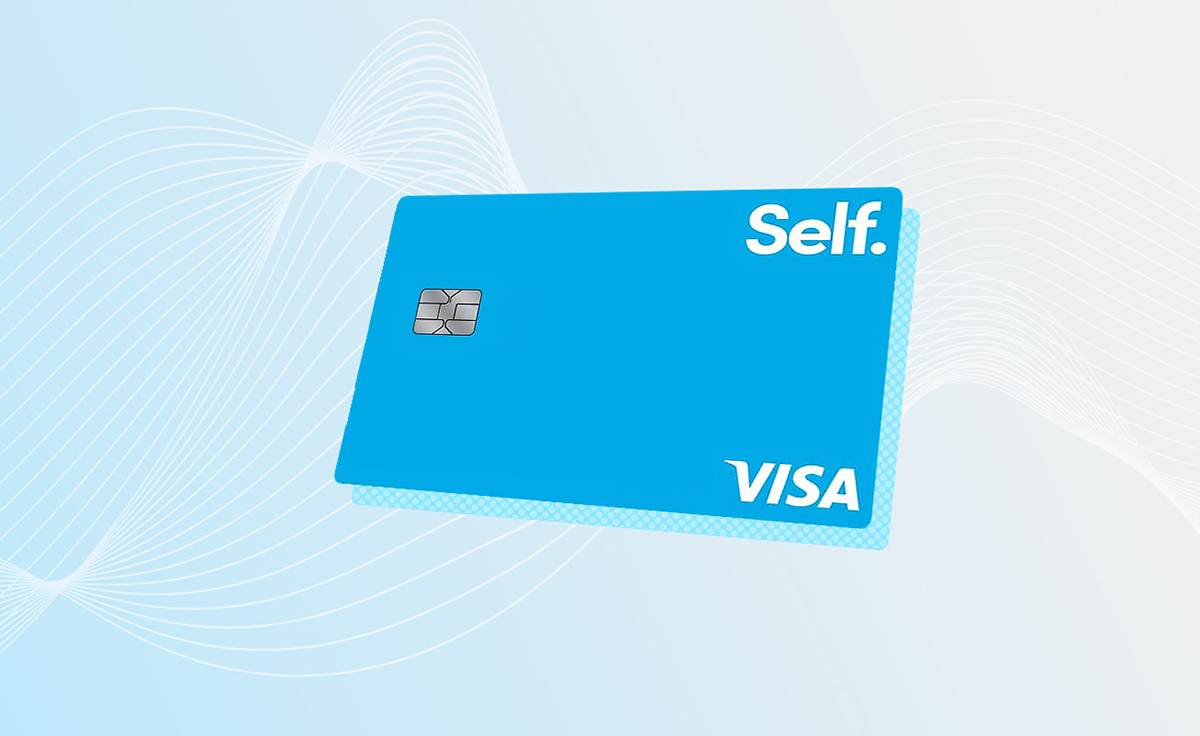
A secured card is the safest entry point because you deposit a collateral amount typically ranging from $200 to $500, set by the issuing bank, and that deposit becomes your credit limit. To avoid the interest trap entirely, treat the card like a debit card: choose one small monthly subscription. Charge only that single item to the card. A streaming service or cloud storage plan often falls in the range of $5 to $10 per month, depending on the provider’s current pricing. Check the merchant’s website for the exact rate. Then set up autopay to pay the statement balance in full on the due date. Pay the exact statement balance that appears on your monthly bill, not the minimum and not the full current balance. If you do this, you will never pay a penny in interest because you are using the card as a payment rail, not as a loan. The trick is to ignore the card’s credit limit completely. Just because you have a $500 limit does not mean you should spend $499. Set a calendar reminder for the day your statement generates. Confirm that the autopay is set to “full statement balance” rather than “minimum due.” After six to nine months of this behavior, the card issuer will likely upgrade you to an unsecured card and return your deposit automatically.
Getting credit for rent and utility bills
You do not need a loan or a card to report your biggest monthly expenses. Third-party services like Experian Boost, Rent Reporters, or LevelCredit can add your rent, electric, water, and internet remittances to your file. These services work by connecting to your bank account, verifying that you paid the bill on time, and then sending that positive repayment record to the credit bureaus collect information for my report process. For example, Experian Boost only counts installments you have already made. There is zero risk of missing a new deadline or adding a new debt. The catch is that these services typically report only to certain bureaus. You might see a score jump with Experian but not with Equifax or TransUnion. Still, for a recent immigrant or a young adult with no other background, this is a free or low-cost way to build a file without ever signing a loan document. You should also check if your landlord uses a service like RentTrack or Cozy, which report rent remittances directly. Be prepared that some of these charge a monthly fee.
When authorized user status actually helps
Being added as an authorized user to someone else’s credit card only helps if that person has a long background, a low credit utilization ratio, and a spotless repayment record. The ideal scenario is a parent or sibling who has held the same card for at least five years. They should carry a balance of less than 10% of the limit and have never missed a due date. When you are added to such an account, the entire repayment record appears on your report. You gain a decade of on-time remittances overnight. But if the primary cardholder has a late installment, a maxed-out balance, or a short credit background, being added will do nothing or even hurt you. Also, some issuers like American Express and certain other lenders report authorized users to the bureaus, while others do not, so ask before you agree. The worst-case scenario is being added to a card that is in collections. That can tank your score before you ever make a single remittance. If the primary cardholder is responsible, this is a powerful shortcut. If they are not, walk away and stick with the secured card.
Frequently asked questions
How long does it take to get a credit score from zero?
You will typically see your first FICO score after six months of using a collateral-backed card or an alternative data service. The first score is often in the 650-700 range if you have no negative marks.
Can I use a debit card instead of a collateral-backed card to build credit?
No, debit card transactions are not reported to the credit bureaus because they are not a form of borrowing. You need a credit product, even a deposit-backed one, to generate a repayment record.
Will checking my own credit score lower it?
No, checking your own credit score through a free service like Credit Karma or your bank’s app is a soft inquiry and has zero effect on your score. Only hard inquiries from lenders applying for new credit impact you.
What if I accidentally miss a due date on my deposit-backed card?
Call the issuer immediately. Pay the balance right away and ask if they will waive the late fee as a one-time courtesy. A remittance that is 30 days late will stay on your report for seven years. Set up autopay and a calendar reminder as a backup.
Is it better to have one deposit-backed card or two?
Start with one. Use it responsibly for six months, then open a second collateral-backed card or a store card. Having two active accounts helps your credit mix, but opening several at once can lower your average account age.
A credit score measures documented borrowing behavior, not your overall financial responsibility or cash-flow management skill, so as you continue building credit from scratch, keep your focus on small, on-time payments and low utilization, and for a deeper look at how lenders interpret your financial history, turn to the broader topic of Credit Reports & Scores: What to Know and How to Handle It, where you’ll find guidance on reading, monitoring, and disputing the details that shape your credit reports & scores.