Home>Finance>How Long Does It Take For Authorized User Status To Show On A Credit Report
Finance
How Long Does It Take For Authorized User Status To Show On A Credit Report
Table of Contents
The account typically appears on your credit report within 30 to 60 days after the next billing cycle closes, but it can take up to 90 days depending on the lender’s reporting schedule. If the card issuer doesn’t report authorized user activity at all, it will never show up.
The authorized user reporting time and standard timeline
The day you were added doesn’t matter to the credit bureaus, what matters is the card’s billing cycle date. Card issuers typically report your card status to Experian, Equifax, and TransUnion once per month, usually on or a few days after your statement closing date. If you were added on the 5th but the statement closes on the 20th, the tradeline won’t appear until that 20th passes, and then the bureau needs a few extra days to process the data. That’s why the 30-to-60-day window is the norm: you’re waiting for at least one full statement cycle, sometimes two if the addition happened right after a closing date.
For most major issuers, Chase, Capital One, Citi, Bank of America, the reporting happens predictably every month. If you were added on the 1st and the statement closes on the 28th, you might see the tradeline pop up in as little as 10 days. But if you were added on the 29th and the statement closed on the 28th, you’ll wait nearly a full month for the next cycle. Add a second month for the bureaus to refresh their files, and 60 days is a realistic expectation. The 90-day outer limit only applies to issuers with irregular reporting schedules or if the main cardholder’s line of credit is in a grace period or under review.
When the tradeline never shows up
Here’s the frustrating part: some major issuers simply do not report authorized user tradelines to the credit bureaus at all. American Express, for example, historically reports authorized users on some products but not others, and their policies have shifted over time. More notably, US Bank and Synchrony (which issues store cards like Amazon and Lowe’s) often exclude authorized users entirely from their monthly reporting. If you’re added to one of those cards, you’ll wait forever, because the data never gets sent. The only way to know for sure is to ask the main cardholder to check their monthly statement or to call the issuer’s customer service line and ask: “Do you report authorized user activity to the three major credit bureaus?” If the answer is no, no amount of waiting will change the outcome.
This is why you should always verify the issuer’s policy before relying on **authorized user strategies** as a credit-building tool. Some people assume every card reports equally, but that’s not true. A quick phone call or a search for **which credit card issuers report authorized users to the credit bureaus** will save you weeks of false hope. If the issuer doesn’t report, you have two choices: ask the main cardholder to add you to a different card that does report, or accept that the tradeline will only appear if the issuer changes its policy later.
Backdating and the age of the tradeline
When the tradeline does show up, the age on your report might surprise you. American Express and a few other issuers practice “backdating,” meaning they report the original opening date rather than the date you were added. If the main cardholder opened the card in 2015 and added you yesterday, the entry will appear on your report as if it’s been open for a decade. This can instantly boost your average credit age, which is a major factor in your credit score. But it also means “showing up” isn’t just about the date, it’s about how the tradeline’s age is calculated.
For most other issuers, the tradeline’s age starts on the day you were added, not the original open date. So if you’re added to a 10-year-old Chase card, your report will show the entry as new, with a “date opened” of today. That’s why backdating is such a powerful perk, it lets you inherit the main cardholder’s history. But it also means the 30-to-60-day timeline is only the beginning of the story. Once the tradeline appears, check the “date opened” field on your credit report. If it shows the original date, you’ve hit the jackpot. If it shows yesterday’s date, you’re starting from scratch, and the entry will only help your average age as it matures.
Before you panic about why nothing has appeared, remember that the process is slow by design. The bureaus update their files in batches, and your monitoring app only refreshes when the bureau pushes new data. If you’re still waiting after 90 days, that’s when you should ask the main cardholder to confirm the issuer actually reports authorized users. And if you’re trying to understand the mechanics better, a related article on **an authorized user on a credit card and how does it work** will walk you through the basics of liability and credit limits. But for the “will it help my score” question, the answer hinges on the issuer’s reporting behavior, which is why **does adding an authorized user help their credit score** is a separate topic from whether the tradeline appears at all.
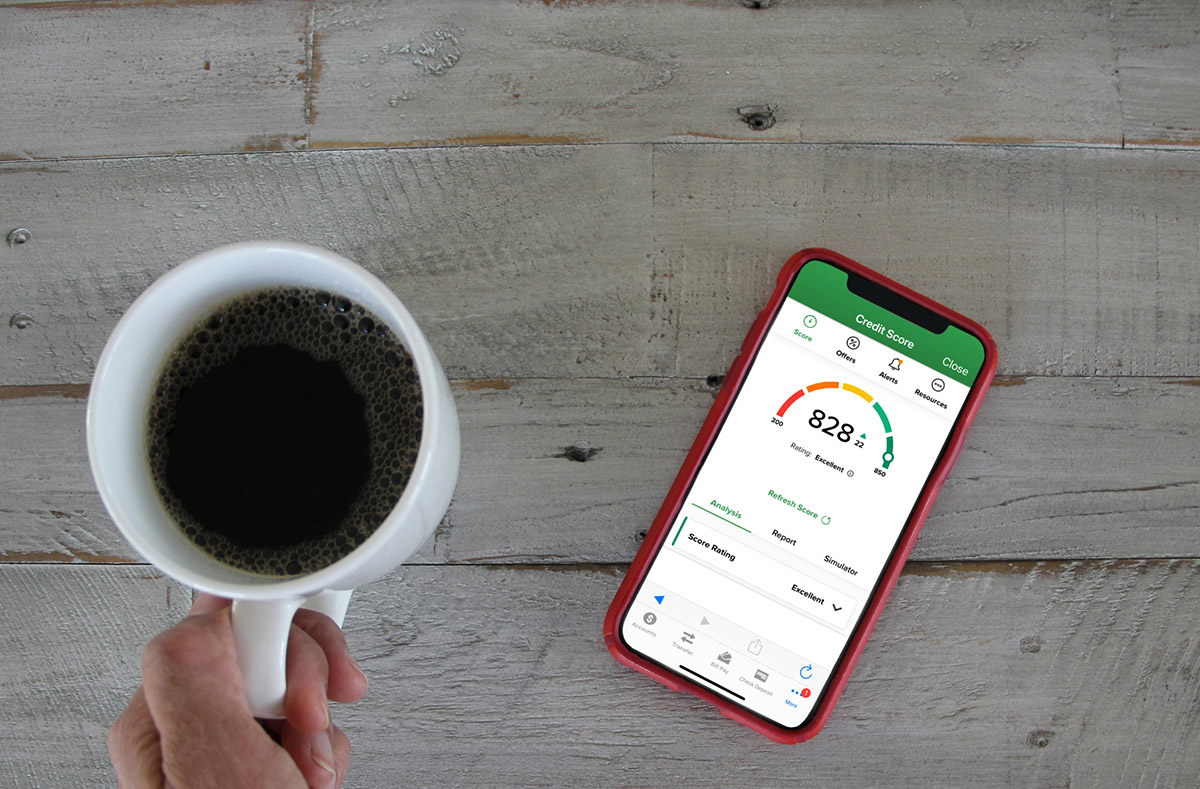
You might be refreshing your monitoring app every morning, seeing nothing, and wondering if the main cardholder actually followed through, but that silence is normal. The delay isn’t a sign of failure; it’s just the gap between when you were added and when the card’s monthly statement gets transmitted to the bureaus.
Frequently asked questions
Can I speed up the reporting process by calling the credit bureaus?
No. The bureaus only load data that issuers send them, and they won’t manually add a tradeline just because you call. The issuer has to initiate the report, and that happens on their schedule.
What if the main cardholder misses a payment while I’m an authorized user?
That late payment will appear on your credit report just like it would on theirs, potentially dropping your score by 50 to 100 points. You’re not shielded from the tradeline’s negative history, so choose your main cardholder carefully.
Will removing myself as an authorized user delete the tradeline from my report?
Yes, typically. Once you’re removed, the entry stops being reported on your file within one to two billing cycles. The history you’ve built while on the card remains for up to 10 years, but the tradeline stops updating.
Does the main cardholder’s credit limit affect my score if I’m an authorized user?
Yes, if the issuer reports the card’s credit limit and balance. A high limit with a low balance will help your credit utilization ratio, but a maxed-out card can hurt your score just as much as if it were your own.