Home>Finance>How To Qualify For A Debt Consolidation Loan With Bad Credit
Finance
How To Qualify For A Debt Consolidation Loan With Bad Credit
Table of Contents
Yes, you can qualify for a debt consolidation loan with bad credit, but you'll likely need to prove steady income, accept a higher interest rate, or secure the loan with collateral or a co-signer.
What lenders look for in a debt consolidation loan
When you apply for a debt consolidation loan with bad credit, the underwriter runs your credit report. That’s just the opening act. The real decision rests on two numbers. One is your debt-to-income (DTI) ratio. The other is the stability of your employment. A DTI under 40% can override a 580 credit score. That means your monthly debts, including the new loan payment, take up less than 40% of your gross monthly income. Lenders also want to see two years of continuous employment in the same field. A teacher with a 590 score and a 35% DTI is a far better risk than a freelance gig worker with a 680 score and a 55% DTI. The teacher’s income is verifiable and predictable.
Your payment history on rent and utilities matters more than you think. Many bad-credit lenders use “alternative data.” They’ll pull your bank account statements to see if you consistently pay your phone bill, car insurance, and streaming subscriptions on time. Your credit score might be low because of a past medical bill or a short period of missed payments. But your recent activity could show you’ve paid everything on time for the last six months. That’s a strong counterweight. You can also boost your case by paying down credit card balances to below 30% of their limits before you apply. This can lift your score by 20-40 points in a single billing cycle.
When the answer is no
There are hard failure cases where no amount of explanation will get you approved. Lenders will reject you outright if you have no verifiable income. This means you’re paid in cash and don’t file tax returns. You’ll also be denied if you’ve been at a new job less than three months without a signed contract. An active bankruptcy is another automatic denial. That means you’re still in the repayment plan and haven’t received a discharge. And if your DTI is above 50%, even a co-signer won’t save you. The math shows you physically cannot afford another monthly payment. In these situations, the responsible move is to pause the loan application. Work on your income or wait for a bankruptcy discharge to hit your report.
Secured loans, co-signers, and credit unions
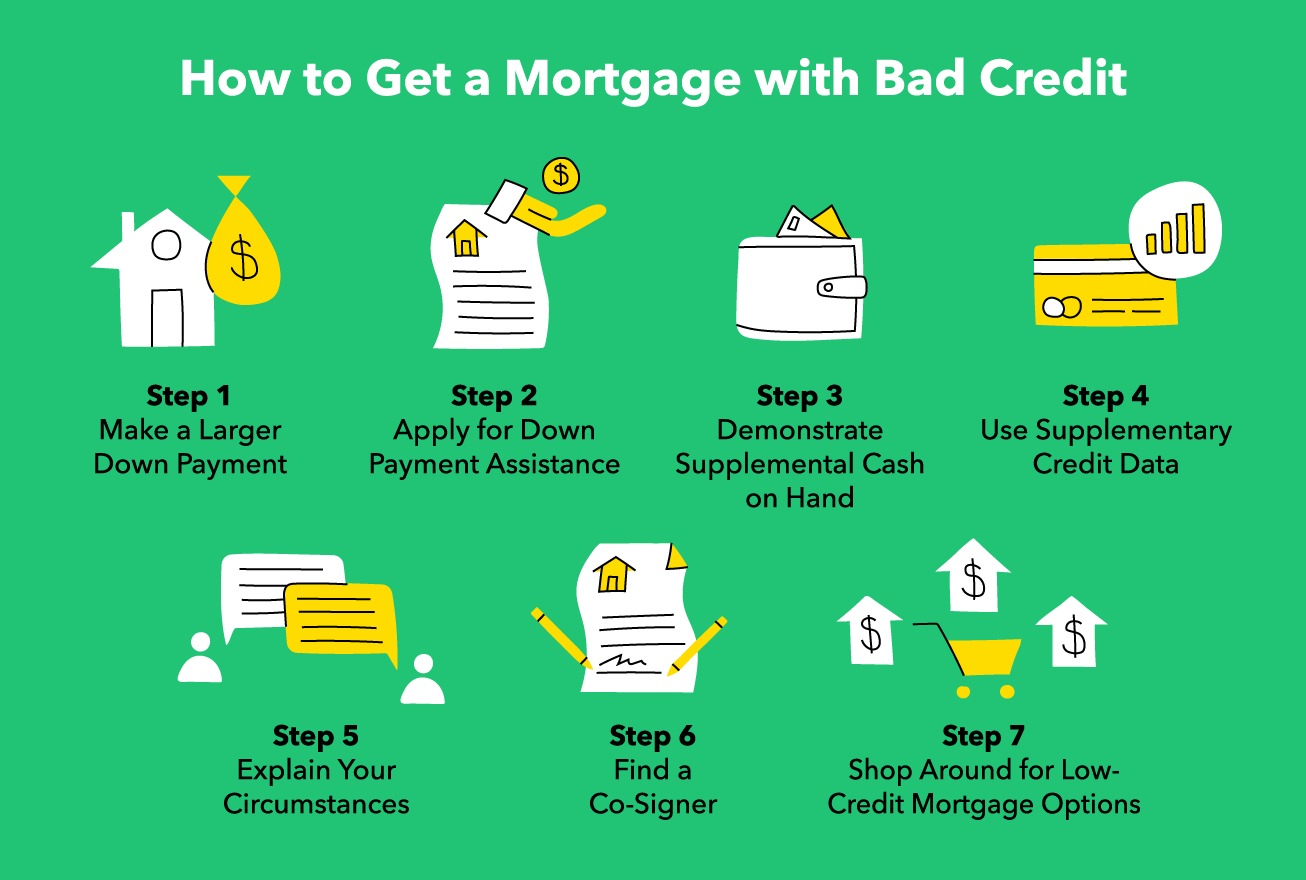
When your credit is poor, you can reduce the lender’s risk in three practical ways. First, a secured loan means you pledge your car title, a savings account, or a certificate of deposit as collateral. A CD-backed loan at a credit union might carry an interest rate of 8%, compared to 25% for an unsecured bad-credit loan. The specific rate band a credit union sets today will change with the Fed’s next move, so check their published rate sheet. Second, a co-signer with good credit (above 700) who earns a stable salary can get you approved at a rate near the prime rate. Just know that missed payments will damage their credit. Treat this as a binding trust agreement. Third, credit unions are your best friend. They’re not-for-profit and use “character-based” underwriting. This means they’ll manually review your application. Many offer “payday alternative loans” (PALs). The National Credit Union Administration caps PAL amounts, and the current ceiling is published on the NCUA’s website. Some state-chartered credit unions offer consolidation loans with a 640 minimum score, which is lower than most banks. The maximum loan size is set by each credit union’s board, so call and ask for their current term sheet.
Avoiding predatory traps
Bad-credit desperation makes you a target for payday lenders and debt settlement firms that charge upfront fees and deliver nothing. A legitimate debt consolidation loan has a fixed interest rate and a fixed repayment term. The money goes directly to your creditors, never to a third-party “processor” who takes a cut. Payday loans, by contrast, charge 300-400% APR and roll over into a new fee every two weeks. Debt settlement scams tell you to stop paying your credit cards so they can negotiate a lump-sum payoff. But they take 15-25% of your total debt upfront, and your creditors can sue you in the meantime. To protect yourself, check the lender’s registration with your state’s attorney general. Never work with a company that asks for a fee before settling a single debt. You can also compare debt consolidation lenders and avoid scams by looking for a physical address, a real phone number, and a published underwriting standard. If they approve you with zero income verification, it’s a trap.
If you can’t qualify for a loan, remember you can consolidate debt without a loan by using a 0% APR balance transfer card, a debt management plan through a nonprofit credit counseling agency, or a home equity line if you own property. These methods avoid new debt and often lower your interest rate without extending your repayment term. For those with student loans, you might consolidate student loans with credit card debt into a single private loan. But only do this if you’re willing to forfeit federal protections like income-driven repayment. Weigh that trade-off carefully.
Frequently Asked Questions
Will applying for a debt consolidation loan hurt my credit score?
Yes, but only temporarily. Each application triggers a hard inquiry that knocks 5-10 points off your score. The new loan will also lower your average account age. If you get approved and make 24 straight on-time payments, you’ll typically gain more points than you lost.
How much income do I need to qualify with bad credit?
There’s no fixed minimum, but most lenders want your gross annual income to hit a floor and your DTI must stay under 50%. The precise income threshold is set by each lender’s current risk model, so pull their latest pre-qualification table. A given income with a light monthly debt load might qualify for a modest loan. But a higher income with heavy monthly debts will likely be denied because the DTI math fails.
Can I use a friend as a co-signer if they have worse credit than me?
No, a co-signer must have a credit score above 700 and a DTI under 40% to help you. If their score is lower than yours, the lender will use the co-signer’s score for the decision. It’s pointless to ask someone with a 620 to co-sign.
What happens if I miss a payment on a secured consolidation loan?
The lender can repossess your collateral. That’s the car or the savings account you pledged. Unlike an unsecured loan, there’s no court order required. The repossession happens after 30 days of non-payment. The lender sells the asset to recover the balance.
A legitimate debt consolidation loan has a fixed interest rate, a fixed repayment term, and the money goes directly to your creditors, never to a third party who takes a cut.