Home>Finance>Can You Consolidate Student Loans With Credit Card Debt
Finance
Can You Consolidate Student Loans With Credit Card Debt
Table of Contents
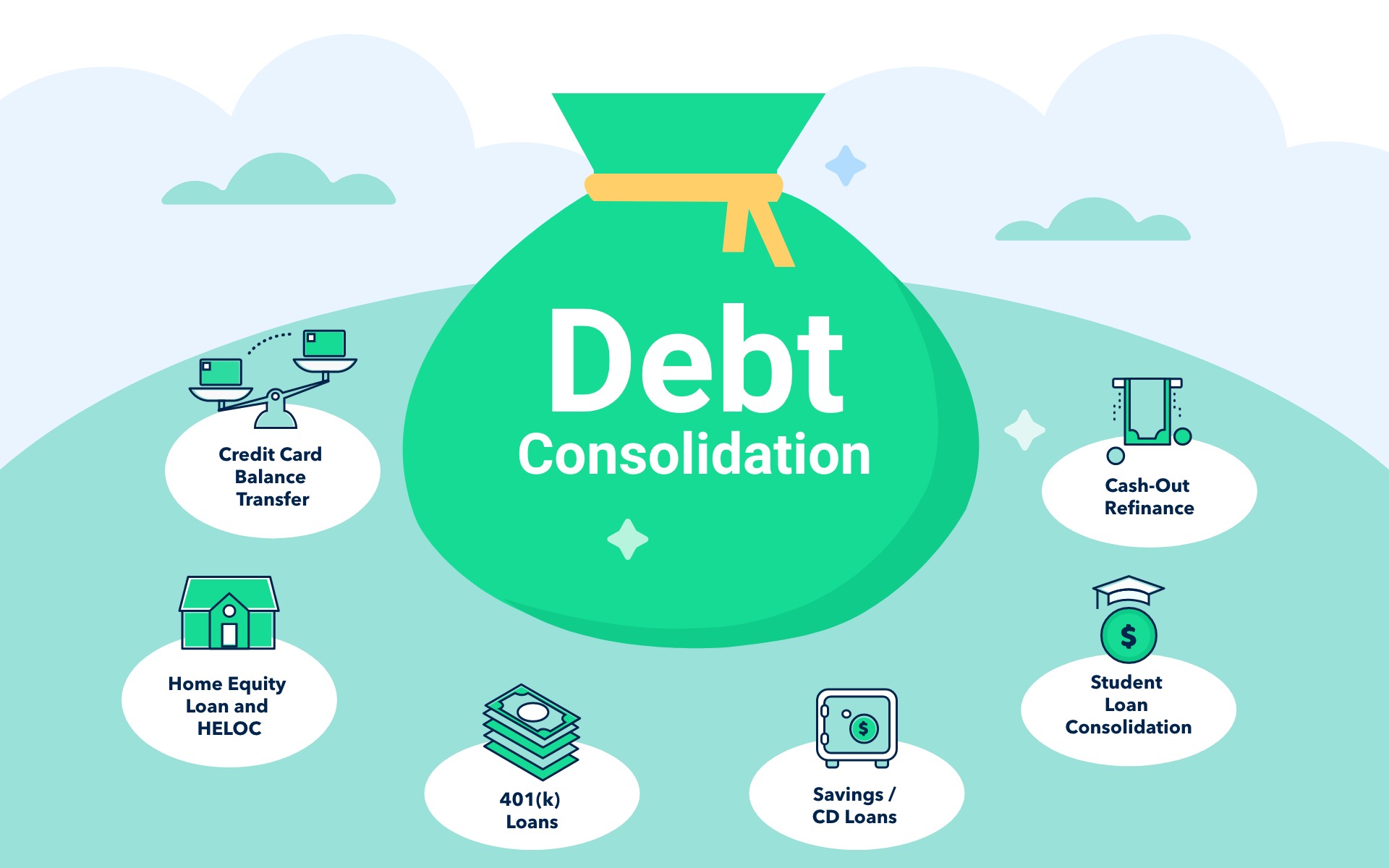
You cannot directly consolidate federal or private student loans with credit card debt into a single new loan using a traditional debt consolidation product. Lenders classify student loans as installment debt and credit cards as revolving debt, and no mainstream consolidation program allows you to mix these fundamentally different debt types.
Why you can't consolidate student loans with credit cards
Student loans and credit cards sit on opposite sides of a lender’s balance sheet. A student loan is an installment debt with a fixed term and a fixed payment. In the government case, it carries statutory protections like income-driven repayment, deferment, and forbearance. A credit card is a revolving line of credit with a variable minimum payment. It has no set payoff date and no public safety net. When you apply for a debt consolidation loan, the lender evaluates your debt-to-income ratio. It also looks at your credit utilization on revolving accounts and your payment history on installment loans. Mixing those two categories in one loan would force the lender to price the combined risk as if it were the riskier of the two. That is why they simply don’t offer that product. Regulatory rules also play a role. Government student loan consolidation is a specific program run by the Department of Education. It only combines government student loans with other government student loans. Private lenders follow suit. They restrict their student loan refinance products to education debt only. Credit card debt has no such consolidation vehicle because it’s unsecured. The lender has no collateral if you default, so they charge higher rates to compensate. A lender willing to lend you $30,000 to pay off a credit card and a student loan together would have to treat the whole thing as unsecured. That would carry an interest rate closer to a credit card than a student loan. It would defeat the purpose of consolidation in the first place.
The balance transfer trap people try anyway
Desperate for a single payment, many borrowers reach for a balance transfer check that comes with their credit card statement. The check arrives in the mail with a low promotional APR. The fine print says you can use it to pay any debt, including a student loan. Technically, you can endorse that check and send it to your student loan servicer. The servicer will apply it to your balance. But what you’ve just done is converted a student loan into credit card debt. You’ve lost every public protection that came with the original loan. Your income-driven repayment plan disappears. Your eligibility for Public Service Loan Forgiveness vanishes. If you ever default on the card, the student loan servicer can no longer garnish your wages without a court judgment. The strategy backfires in another way too. Most balance transfer cards charge a fee of 3% to 5% of the moved amount. The promotional APR typically lasts only 12 to 18 months. After that, the rate jumps to 20% or higher. That is often worse than your original student loan rate. If you move a $20,000 student loan to a card with a 0% APR for 15 months, you’ll need to pay $1,333 per month just to clear it before the promo ends. Most borrowers can’t afford that payment. If you carry a balance past the promo period, the card company retroactively applies the higher interest rate to the entire balance, not just the remaining amount. The only time this move makes sense is if you have a small student loan balance, a clear payoff plan, and you’re absolutely certain you won’t need government protections in the next few years.
What to do instead when you have both
Instead of trying to force a merger, tackle the two debts separately using the right tool for each. For government student loans, enroll in an income-driven repayment plan like SAVE or PAYE. It caps your monthly payment at a percentage of your discretionary income and forgives the remainder after 20 or 25 years. For private student loans, refinance them with a dedicated student loan refinance lender, not a personal loan. This gets you a lower rate, but only do it if you’re comfortable giving up public protections. For credit card debt, use a 0% balance transfer card that’s specifically for revolving balances. Set up automatic payments to pay it off before the promo period ends. If your credit score isn’t high enough for a 0% card, apply for a personal loan from a credit union or online lender that caps out around 18% APR. Use that loan solely to pay off the cards. The key is to avoid running up debt again after consolidating. Close the old credit card accounts after you move the balances, or at least cut up the physical cards. Switch to a cash-only envelope system for discretionary spending. You can also consolidate debt without a loan by calling your credit card issuer and asking for a hardship plan. This may lower your interest rate to 10% or less for a set period. The point is that these two debts require different strategies because they have different legal structures. Trying to blend them into one payment almost always costs you more money or more protection than you save.
Frequently Asked Questions
Will consolidating my student loans hurt my credit score?
A direct government consolidation or a private student loan refinance will cause a small, temporary dip in your credit score. The lender will do a hard inquiry and close your old accounts. However, if you make all payments on time, your score typically recovers within three to six months.
Can I use a home equity loan to pay off both my student loans and credit cards?
Yes, you can use a home equity loan or HELOC to pay off any debt, including student loans and credit cards, because it’s secured by your house. But this turns unsecured debt into secured debt. You could lose your home if you default. It’s only wise if you have stable income and a solid repayment plan.
What happens to my student loan interest if I transfer it to a credit card?
Once you move a student loan balance to a credit card, the interest is no longer considered student loan interest for tax purposes. You lose the above-the-line deduction on your national taxes. The interest also becomes subject to the card’s variable rate, which can change monthly and compound daily.
Should I pay off my student loans or credit cards first with extra money?
Pay off the credit card first if its APR is higher than your student loan rate. Credit card interest compounds daily and has no tax deduction. Once the card is at zero, redirect that payment to your student loans. If you have government loans, you can request a temporary forbearance while you focus on the card.
You cannot directly consolidate student loans with credit card debt into a single new loan using a traditional debt consolidation product.