Finance
What Happens When A Debt Goes To Collections
Table of Contents
The original creditor sells or assigns your unpaid debt to a third-party collection agency, which will then contact you by phone and mail to demand payment. This triggers a negative entry on your credit report that can last seven years, but it does not immediately mean you will be sued or arrested.
How the debt collections process transfers from creditor to collector
When you miss several payments on a credit card, medical bill, or loan, the original creditor first tries its own internal collections department for roughly 90 to 180 days. That company you initially owed is attempting to recover the money itself. If that fails, the creditor makes a business decision. Rather than keep carrying your account as an asset that is losing value, it either sells the debt to a debt buyer for pennies on the dollar or hires a third-party agency to work on commission. That transfer is governed by a contract. The contract usually includes the account balance, the charge-off date, and the initial terms you agreed to.
The moment the account changes hands, you are entitled to a written "validation notice" within five days of the agency's first contact. This document must state the amount you owe and the initial creditor's name. It must also explain your right to dispute the debt in writing within 30 days. That notice is your legal starting point. If you send a timely dispute letter, the agency must pause all activity until they send you proof. The proof must be a statement or contract showing the debt is genuinely yours. This is not a formality. It is the first real protection you have against paying a debt that was miscalculated, already paid, or belongs to someone with a similar name.
The immediate impact on your credit report
Once a collection agency reports the account to Equifax, Experian, and TransUnion, it appears as a separate derogatory entry. This entry is distinct from the initial account's late-payment history. The initial account will also show a "charge-off" status. This means the creditor gave up on collecting it directly and wrote it off as a loss for tax purposes. A single collections entry can drop a healthy credit score by 50 to 100 points. The exact drop depends on your starting point and how recent the delinquency is. The drop is steepest if your score was above 680. Lenders view a collection as a strong predictor of future missed payments.
A common misconception is that paying the collection removes it from your report instantly. That is false. The Fair Credit Reporting Act allows a paid collection to remain on your report for seven years from the initial delinquency date. Some scoring models give less weight to paid collections than unpaid ones. You can request a "pay for delete" agreement in writing. In this agreement, the agency agrees to remove the entry entirely in exchange for payment. They are not legally required to accept. The seven-year clock starts from the date you first missed the payment that led to the charge-off. It does not start from the date the agency bought the debt. An old debt may have less impact than you think.
When collections leads to a lawsuit
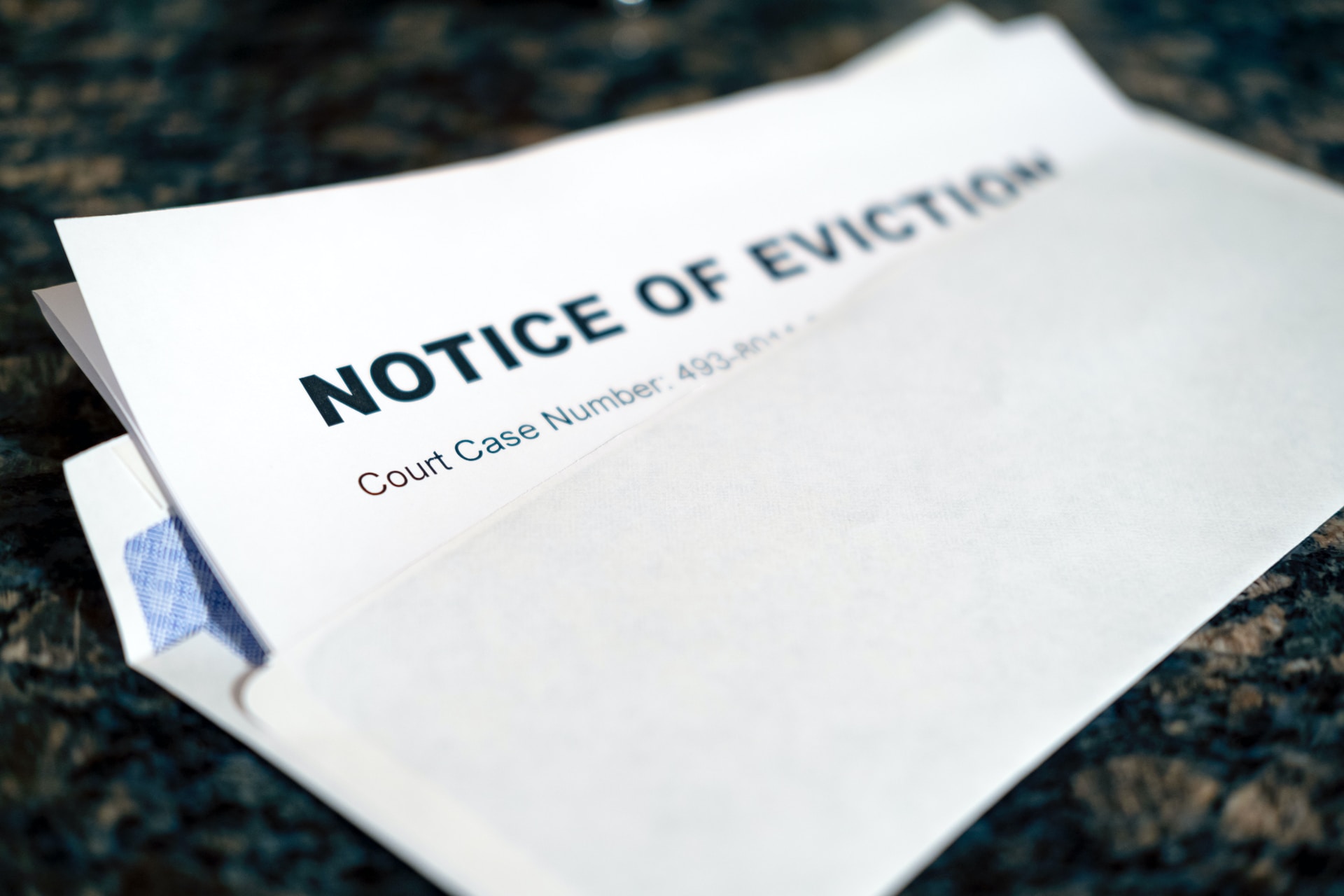
Most collection accounts never reach a courtroom. Creditors and agencies only sue when three conditions align. The debt must be large enough to justify legal fees, typically over $1,000. The statute of limitations must not have expired. They must have enough documentation to prove you owe it. The statute of limitations for consumer debt ranges from three to six years depending on your state. It is not the same as the credit report time limit. A debt can be legally uncollectible in court yet still appear on your report. If the agency files a lawsuit, you will receive a summons and complaint. You have a limited window, usually 20 to 30 days, to file a written answer with the court.
If you fail to respond, the court enters a default judgment against you. That judgment is a public record. It gives the agency powerful tools. They can garnish your wages, freeze your bank account, or place a lien on your property, depending on state law. However, even with a judgment, an agency cannot simply take your home or empty your bank account without following court procedures. Wage garnishment is typically capped at 25% of your disposable income. Certain income sources are legally protected from garnishment. These include Social Security, unemployment, and disability. The failure case is not about the debt itself. It is about ignoring the summons. Ignoring it turns a civil collection matter into a court order that can follow you for years.
What collectors cannot legally do
The Fair Debt Collection Practices Act (FDCPA) draws a hard line between persistent and abusive behavior. Agencies cannot call you before 8 a.m. or after 9 p.m. They cannot call you at work if they know your employer forbids it. They cannot call you repeatedly with the intent to annoy or harass. They cannot use profanity, threaten violence, or make false statements. False statements include claiming they will have you arrested or that you committed a crime. They also cannot contact you after you send a written request to stop. The only exceptions are to confirm they are stopping or to tell you about a specific legal action. You actually cannot go to jail for unpaid consumer debt. Debtor's prison was abolished in the 19th century. The only exception is if you willfully fail to pay court-ordered fines, child support, or taxes. Those are criminal matters, not consumer debts.
The most dangerous mistake you can make is ignoring a court summons after a lawsuit has been filed. A first phone call is stressful. A summons is a legal document with a deadline. Missing it means losing by default. The FDCPA also requires agencies to identify themselves as such. If someone calls and immediately says "This is John from ABC Collections," you have the right to ask for the validation notice in writing before discussing anything. The best strategy is not to argue on the phone. Send a certified letter requesting verification of the debt. This forces the agency to prove the amount and ownership. This is how you stop collection calls without ignoring the problem, by using the law to shift the burden of proof onto the party demanding money.
Frequently asked questions
Can a collector take money directly from my paycheck without telling me?
No, not without a court judgment. A collector must first sue you, win the case, and obtain a garnishment order from the judge. That order is then sent to your employer. Your employer is legally required to withhold a portion of your wages.
What if the debt is older than the statute of limitations?
You can still be sued. Raise the statute of limitations as an affirmative defense in your written answer. If you do not respond, the court will not automatically know the debt is too old. A default judgment is still possible.
Should I pay the collection agency or the original creditor?
Pay the collection agency only if they own the debt and can provide written proof. If the initial creditor still owns the account, paying the agency may not stop the initial creditor from reporting a balance. Always ask who owns the account before sending a penny.
Does settling for less than the full amount hurt my credit more than paying in full?
Both options result in the same collections entry on your report. The notation "settled for less than full balance" is slightly more visible to lenders. Paying in full does not remove the entry. It looks better than an unpaid collection if you apply for a mortgage or car loan later.
Your action plan when a debt goes to collections
Open every letter from a debt buyer immediately and check the postmark date. You have exactly 30 days from that first written contact to dispute the debt in writing. Book a certified mail receipt at your post office and send a one-sentence dispute letter that says you demand verification of the debt. Do not call the agency to negotiate until you receive their written proof. If the proof arrives and the debt is yours, request a pay-for-delete agreement in writing before you send a single dollar. Arrive at any court hearing 15 minutes early and bring your filed answer, your certified mail receipts, and any proof of payment. Skip the phone negotiation entirely if the debt is past your state’s statute of limitations. Instead, file a written answer stating the debt is time-barred. The one sentence no competitor can claim: debt collection lawsuits are won or lost in the 30-day window after you receive the validation notice, not in the courtroom.