Home>Finance>What To Do When You Receive An IRS Audit Letter About Your Records
Finance
What To Do When You Receive An IRS Audit Letter About Your Records
Table of Contents
Call your tax professional immediately and do not send a partial payment or hastily gathered receipts until they review the specific audit type; your first concrete step is to file a written response (not a phone call) requesting more time and specifically addressing the items listed on the notice, sent via certified mail within the deadline.
Why you should not send raw bank statements in response to an IRS audit letter
The most common mistake small business owners make after receiving an audit letter is to immediately photocopy every bank statement, credit card bill, and receipt they can find. Then they mail the whole pile to the IRS. This feels proactive, but it is strategically disastrous. When you dump unorganized financial records onto an IRS examiner’s desk, you are essentially saying, “Here is everything, please find the problem.” That invitation expands the scope of the audit. It moves from the precise line items listed on your notice to your entire financial life. The IRS is legally allowed to examine any item on your return that relates to the inconsistency they’ve flagged. But they are not allowed to go on a fishing expedition through your personal checking account unless you hand them the rod. By sending raw statements, you also waive your right to a focused review. You have effectively conceded that your entire recordkeeping is on the table. The examiner will now look for any discrepancy, not just the one they originally identified. Worse, if your records are incomplete, the examiner may interpret your sloppy submission as an admission that you have no better documentation. This sets the stage for the income reconstruction methods described below. Your job in the first reply is not to prove your innocence. It is to define the battlefield narrowly and buy time to prepare a proper defense.
How to decode the particular audit type from your letter
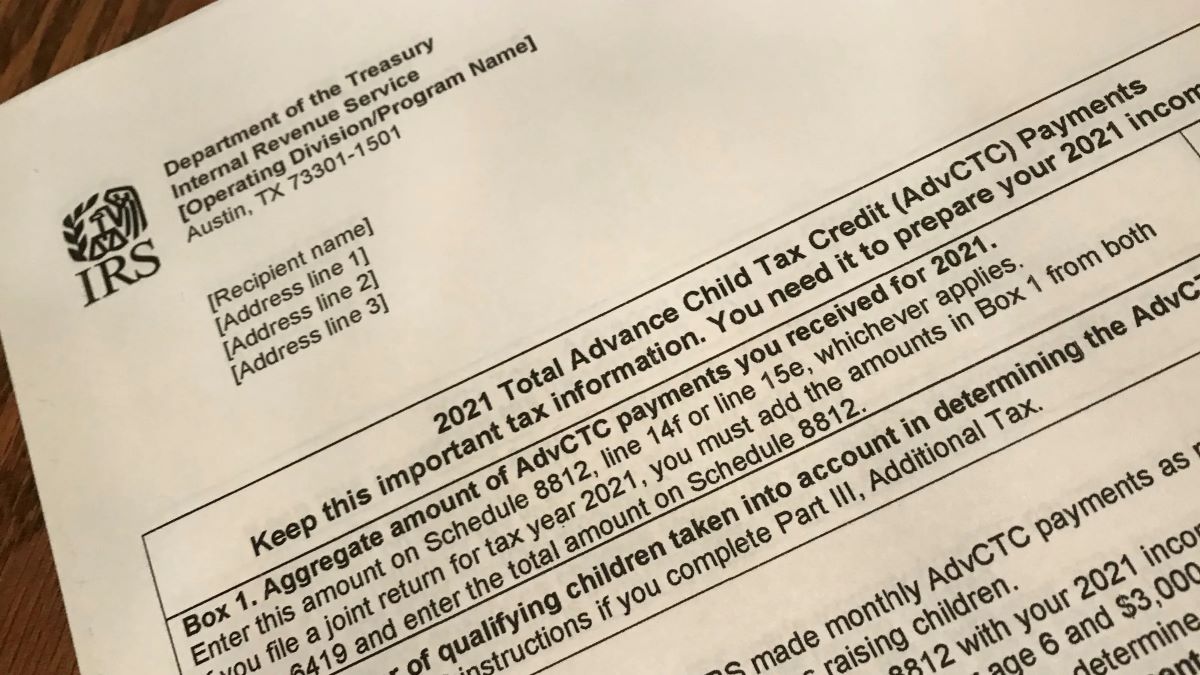
Not all audit letters are the same. Your reply strategy changes dramatically depending on which of the three main types you received. A CP2000 notice is not actually a full audit. It is an automated “matching” letter that says your reported income or deductions do not match what the IRS has on file from your W-2s, 1099s, or bank interest statements. The deadline on a CP2000 is typically 30 days. You can often resolve it by simply providing a written explanation and supporting documents for the precise discrepancy. An office audit (Form 566 or a letter with “Office Audit” in the subject line) requires you to appear in person at a local IRS office with your records. The examiner will want to see your original receipts, ledgers, and logs for the particular items under review. A field audit is the most serious. The IRS agent will visit your home or business. They have broader authority to inspect your physical premises, your computer, and your operational processes. The recordkeeping standard differs for each. For a CP2000, you only need to substantiate the disputed line item. For an office audit, you need to bring organized, legible, and complete records for that particular deduction or income source. For a field audit, you need to demonstrate that your entire bookkeeping & recordkeeping system is consistent and reliable. If you are unsure which type you received, look at the top right corner of the letter for the notice number (e.g., “CP2000” or “Letter 566”) and the reply deadline. That number tells your tax professional exactly which regulation applies, which appeal rights you have, and how much time you actually have to respond without losing your case.
The exact formal reply that protects your appeal rights
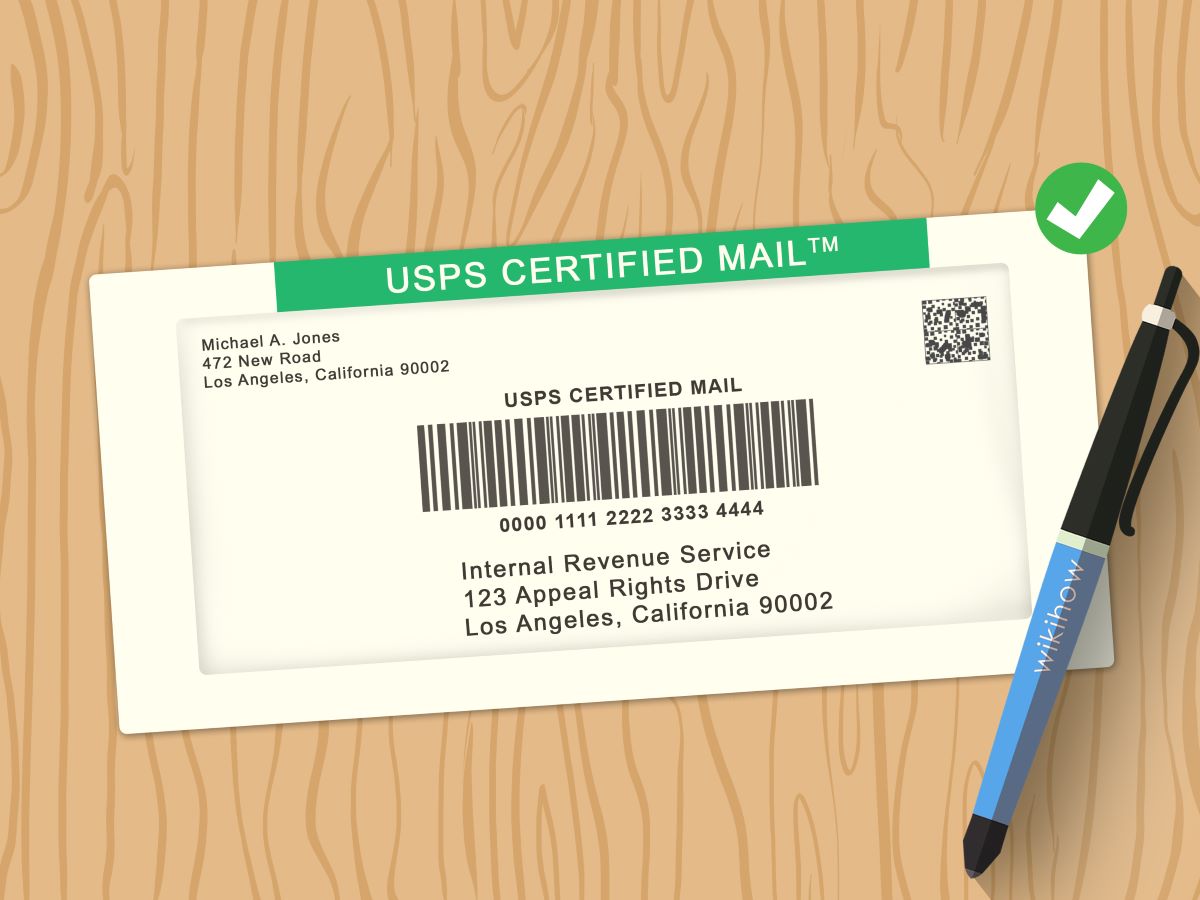
Once you know your audit type, you must draft a formal reply that does three things. It acknowledges the notice, states your precise disagreement (or requests an extension if you agree), and asks for a defined amount of additional time. Do not call the toll-free number on the letter and make verbal promises. The IRS phone representatives have no authority to grant extensions. Any oral statement you make is not part of the official record. Your letter must be typed, signed, and sent via certified mail with a return receipt requested. In the first paragraph, reference the notice number, your Social Security or Employer Identification Number, and the tax year at issue. In the second paragraph, state plainly: “I disagree with the proposed adjustment because [particular reason, e.g., ‘the income reported on line 7 of Schedule C was incorrectly double-counted due to a 1099-MISC filing error’].” If you need more than the original deadline, add: “I am requesting a 30-day extension to file a complete response, and I will provide supporting documentation by [date].” Do not attach any receipts yet. This first letter is purely procedural. If you agree with the IRS entirely and just want to pay, you can skip the disagreement language and simply request a payment plan. But even then, do not send a partial payment without a written agreement. Partial payments can be applied to interest and penalties first, leaving your principal untouched. The key is that your formal reply, properly sent, preserves your right to appeal to the Office of Appeals or Tax Court if the examiner’s final determination is unfavorable. Without that written protest, you lose those rights, and the IRS can begin collection actions immediately.
When the IRS can legally reconstruct your income without your records
If you ignore the letter, miss the deadline, or submit records that are so incomplete that they are meaningless, the IRS is legally permitted to reconstruct your income using methods that do not rely on your documentation at all. The most common technique is the bank deposit analysis. The IRS totals all deposits into your bank accounts, subtracts those that are clearly non-taxable (like gifts or loans), and assumes the rest is unreported gross income. They can also use the net worth method. They compare your net worth at the beginning and end of the year and treat any increase as taxable income. And for businesses with no records at all, they can use industry-standard profit percentages from similar businesses. For example, a restaurant is expected to have a 65% cost of goods sold. If your reported expenses are far below that, they will impute additional income. The legal basis for this is Internal Revenue Code Section 446(b). It gives the IRS broad authority to use any method that “clearly reflects income” when your records are inadequate. The phrase “I don’t have the receipts” is not a valid defense. It is an admission that triggers this reconstruction. The only way to rebut this is to present credible, contemporaneous records (not created after the audit letter) that prove your actual income and expenses. That is why your first step is always to preserve what you have and get professional help immediately. The longer you wait, the more likely the IRS will assume your records never existed. Your tax professional can often negotiate a “reasonable cause” exception if you can show that the missing records were lost due to a fire, flood, or theft. But that exception requires documentation of the event itself, not just a verbal excuse.
Frequently Asked Questions
What if I already sent a partial payment before reading this?
That payment will be applied to your total liability, including interest and penalties. But it does not stop the audit process or waive your right to respond. You should immediately follow up with the formal reply described above, referencing the payment you already made, and ask for a full accounting of how it was applied.
Can I email my formal reply to the IRS instead of using certified mail?
No. The IRS does not accept audit responses via email for individual taxpayers. You must use physical mail sent via the United States Postal Service with a return receipt requested. Or you can use an approved private delivery service like FedEx or UPS that provides tracking and proof of delivery.
How long should I keep my actual receipts after the audit is over?
You should keep all audit-related documents for at least seven years after the audit is closed. The IRS can open a case for fraud at any time. But the standard statute of limitations is three years from the filing date or two years from the date you paid the tax, whichever is later. For your ongoing business records, the general rule is to keep them for three years. This is a good moment to review the guidance on what business records should I keep and for how long. Also consider implementing a better system for separate personal and business finances step by step, since commingling is a common audit trigger.
What if I genuinely don't have the receipts because I lost them in a move?
You can still respond. But you must provide a detailed explanation of the loss, the date it occurred, and any evidence (like a police report or insurance claim). The IRS may accept a “reconstructed” record based on bank statements, credit card statements, or vendor invoices. You must show a good-faith effort to recreate the information. You should also be prepared to explain why your current receipt management for small business owners who hate paperwork failed in this instance.
Will hiring a tax professional guarantee a better outcome?
No professional can guarantee a particular result. But an enrolled agent or CPA knows the audit procedures, can file the correct forms, and can negotiate a settlement or an appeal if the examiner is unreasonable. More importantly, they can prevent you from making the common mistakes described above, such as sending raw data or making verbal statements that waive your rights.
Call your tax professional immediately and do not send a partial payment or hastily gathered receipts until they review the particular audit type. Your first concrete step is to file a formal reply (not a phone call) requesting more time and precisely addressing the items listed on the notice, sent via certified mail within the deadline. That reply is the single most important document you will produce this cycle. It stops the IRS’s internal clock and forces them to treat your case as active rather than defaulted. Do not open that envelope, read the first line, and then start sorting shoeboxes on your kitchen table. Your panic is understandable, but your actions must be methodical. The only person who should see your raw records before that formal reply is a licensed CPA, enrolled agent, or tax attorney who can tell you which documents are actually relevant to the particular audit code on your letter.
Your first reply to an IRS audit letter is a procedural shield that defines the scope of the examination, not a packet of evidence proving your innocence.