Home>Finance>Why Was I Denied For A Starter Card Even Though I Have No Bad Credit
Finance
Why Was I Denied For A Starter Card Even Though I Have No Bad Credit
Table of Contents
You were likely denied because you have a 'thin' credit file, meaning you lack enough credit history to generate a score, not because you have bad credit. Lenders need to see a track record of managing debt, and having no history is often treated the same as having poor history. For a deeper look at how to navigate this catch-22, including actionable strategies for establishing your first accounts and demonstrating reliability, see the broader topic of Building Credit from Scratch: What to Know and How to Handle It.
Why a denied starter card often comes down to no credit
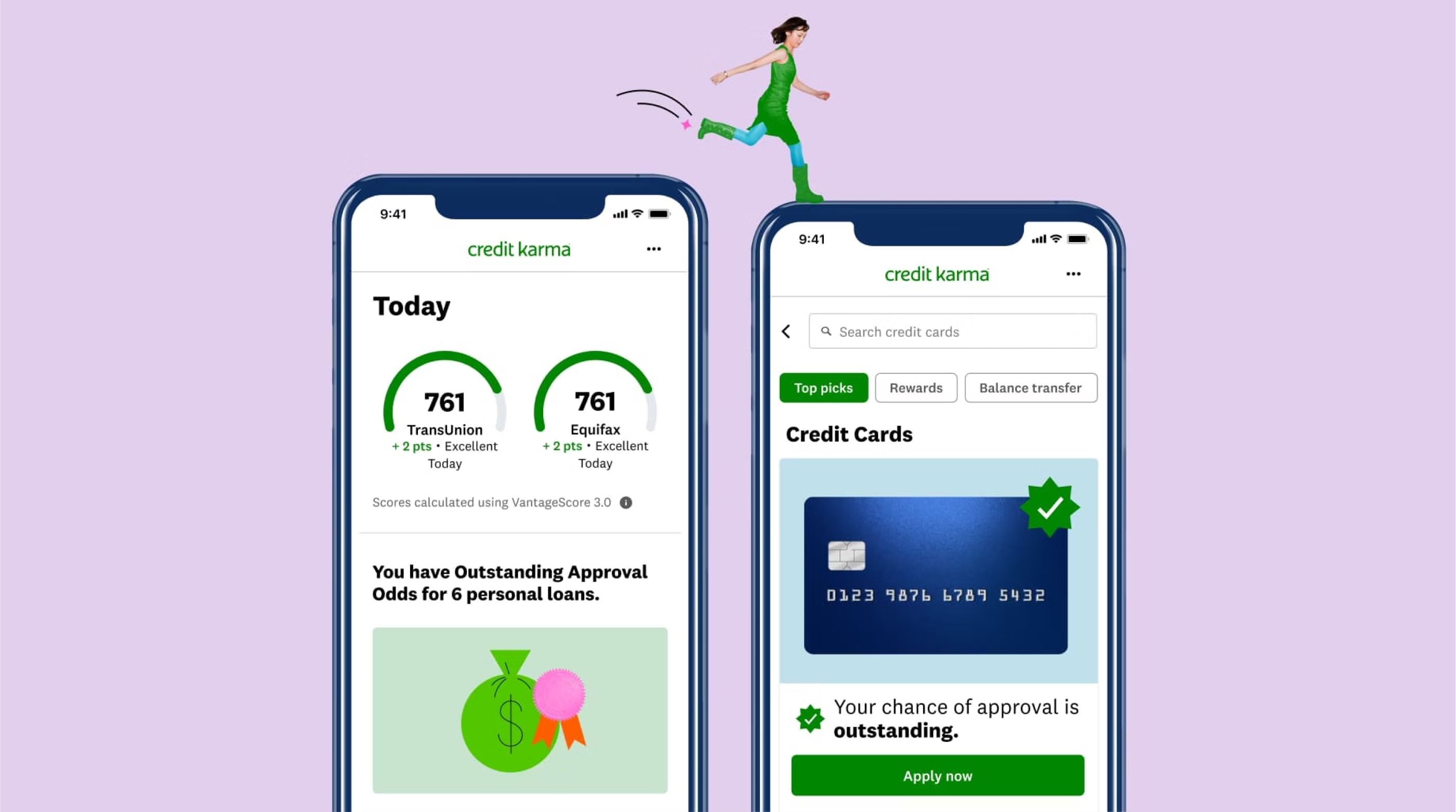
A blank credit report looks identical to a delinquent one inside a scoring engine because both produce a "no score" result. FICO and VantageScore require a minimum of one trade line reported in the last six months, and that trade line must be at least three months old. If you have never held a loan, a credit card, or even a store card, your file is empty. The underwriting system does not reward you for being debt-free; it penalizes you for being unscorable. In fact, a thin file with a single authorized-user account can sometimes score higher than a zero-file, because the algorithm has at least one payment history to chew on. That is why you see approval offers for "pre-qualified" cards with 0% APR, but when you actually apply, the system kicks back a denial. The pre-qualification was based on a soft pull that saw no negative items, but the hard-pull application requires a minimum FICO of 620 or 640. Without that number, you are automatically declined, regardless of how responsible you have been with rent, utilities, or your checking account.
Income and debt-to-income ratio still matter
When your credit file is thin, the lender shifts its focus to your income and your debt-to-income (DTI) ratio. A starter card issuer like Capital One Quicksilver One or a secured offering from a major bank will ask for your gross annual income and your monthly housing payment. If you list an annual income near the low end of what a full-time minimum-wage earner makes and pay a typical urban one-bedroom rent, your DTI can hit 80%, which is a hard denial even with perfect credit. But even a modest income can trigger a denial if it cannot be verified. Many issuers use a service called The Work Number to confirm employment, and if your employer does not report to it, or you are a freelancer, a student, or recently unemployed, the system flags your application as "unable to verify income." That is not a judgment on your character; it is a hard stop in the underwriting rules. Some secured cards require a minimum income set by the issuing bank, often falling in a band between what a part-time retail worker and a full-time entry-level employee might earn, just to open a deposit account. If your income falls below that threshold, you will get a letter in the mail stating "insufficient income for the credit limit requested," even though you never asked for a specific limit. The fix is to wait until you have a steady job for six months, or to apply with a co-signer who has an established credit history.
When the answer is still no
Even with no negative marks, you can be denied if you have recently applied for multiple cards in a short window. Each application triggers a hard inquiry, and two or three inquiries inside 30 days can drop your already-thin score by 20 to 30 points. More importantly, the lender sees those inquiries on your report and assumes you are desperately seeking credit, which increases your perceived risk. Another silent killer is a banking history that does not appear on your standard credit report. If you have ever had a checking account closed for "excessive overdrafts" or written a check that bounced and was reported to ChexSystems, that record is invisible to a credit bureau but visible to the bank's internal fraud unit. A denied application letter might say "other" or "insufficient credit," but the real reason is a ChexSystems flag. You can also be denied if you have a thin file and a single late payment on a utility that was sent to collections, even if that collection is for an amount as small as a single month of a streaming subscription. The collection agency reports to the bureaus, and that one negative item can outweigh a year of clean history. For those wondering about the path forward, the answer lies in building credit from scratch, which means starting with a secured card or a credit-builder loan, not jumping straight to unsecured offers. Before you apply, you should understand a credit score and why do I need one if I have no debt, because a score is not about owing money, it is about proving you can handle it. You can also check if i already have a credit report without knowing it, since some people find a stray collection or an old authorized-user account they forgot about. And if you are stuck, research the easiest first credit card to get approved for with no history, usually a secured card requiring a minimum security deposit set by the card issuer, not a travel rewards card.
This page alone explains that a blank credit file is treated as a risk because the underwriting algorithm has zero data points to predict default, which is why a thin file triggers the same automated denial as a delinquent one.