Home>Finance>Can Paying Off A Loan Early Lower My Credit Score
Finance
Can Paying Off A Loan Early Lower My Credit Score
Table of Contents
Yes, paying off a loan early can cause a temporary, minor dip in your credit score because it reduces your credit mix and average account age, but the long-term financial benefits of saving on interest almost always outweigh this small, short-lived drop.
Why paying off a loan early can ding your score
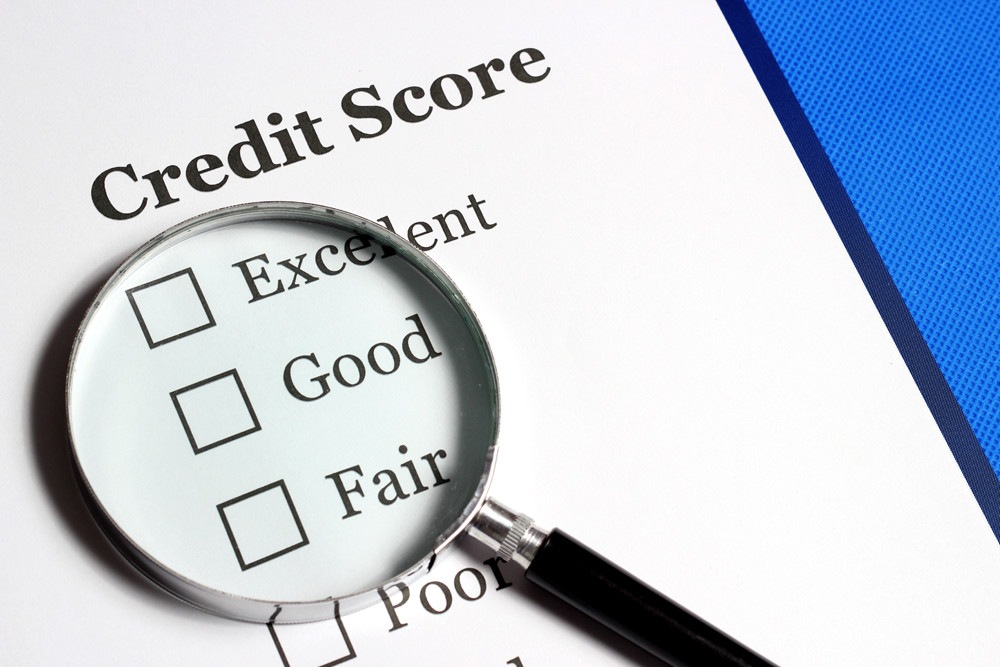
Your credit score is a mathematical snapshot of your borrowing behavior, and it weighs five main factors: payment history, amounts owed, length of credit history, credit mix, and new credit. When you pay off an installment loan, like a car loan or a personal loan, the account is closed, and two things happen immediately. First, your credit mix narrows. If your only installment account was that car loan, you now have only revolving accounts like credit cards, which means you lose the diversity that lenders like to see. Second, the average age of your open accounts takes a small hit because that loan might have been your oldest credit line, and once closed, it stays on your report for up to ten years but no longer counts toward your average age of open accounts. The scoring model recalculates your length of credit history based on your remaining open accounts, so if you have a thin credit file, the percentage drop feels larger. The key detail is that this is a delayed effect, your score may not change the day you pay it off, but it can drop on the next monthly statement when the closed account is updated.
The common myth about carrying a balance
Many borrowers hold onto a stubborn belief: that you must carry a small balance on a loan to keep building credit. That is false. The credit scoring system rewards on-time payments, not carrying debt. You do not need to pay interest to prove you are responsible. In fact, carrying a balance on a loan does nothing to boost your score beyond what the on-time payment history already does. The confusion comes from revolving credit cards, where using a small percentage of your limit, say 10% of a limit set by your card issuer, can help your utilization ratio, check your card agreement or issuer’s website for your current credit line, as limits change over time. But an installment loan is different. Paying it off early is not the same as closing a credit card. When you close a credit card, you lose that card's credit limit, which can spike your utilization ratio if you carry balances elsewhere. When you pay off an installment loan, you are not losing any available revolving credit, so your utilization ratio is untouched. The only reason your score moves is the mix and age factors, not because you stopped carrying debt.
When the drop is actually a problem
There are narrow situations where a temporary score drop from paying off a loan could cause real trouble. The most common is a simultaneous mortgage application. Mortgage lenders use your credit score at the time of application, and they pull your file from all three bureaus. If you are planning to buy a house within the next 60 to 90 days and your score is sitting right on the edge of a tier, say, a 620 that needs to be a 640 for a conventional loan, a 10-point drop could push you into a higher interest rate or a denial. Similarly, if you are about to refinance a different loan or apply for a business line of credit, the timing matters. In those specific cases, you might choose to delay the final payment by a month or two, but that is a tactical move, not a reason to avoid paying off the loan. You can also offset the drop by paying down revolving credit card balances before applying for new credit, which boosts your utilization and can net-positive your score. The rule of thumb: if you are not applying for a major loan in the next two months, pay it off.
What actually matters more than the dip
Step back and look at the math. If you have a car loan at an interest rate and remaining term set by your lender, paying it off early saves you the interest your lender disclosed in your original loan agreement, refer to your latest statement or lender’s portal for the exact payoff amount and interest savings, as those figures are time-sensitive. That is real money. The temporary score dip of 10 points costs you nothing unless you are borrowing at that exact moment. More importantly, paying off the loan lowers your debt-to-income ratio (DTI), which is a separate metric that lenders use to decide whether you can afford new payments. A lower DTI makes you a more attractive borrower for a future mortgage or auto loan, even if your score dips slightly. The score is a lagging indicator; your actual financial health improves when you eliminate a monthly payment. You also free up cash flow, that monthly payment amount set by your lender can go into savings or toward high-interest credit card debt, confirm your exact monthly obligation on your current billing statement, as it reflects your specific loan terms. Over a 24-month horizon, you will almost always come out ahead. If you want to monitor the impact, you can check my credit report for free without hurting my score through the official AnnualCreditReport.com website, but do not obsess over the short-term movement.
Frequently asked questions
Will paying off a loan early affect my credit score if I have no other open loans?
Yes, the drop can be more noticeable because your credit mix becomes entirely revolving. If you have no other installment loans, your credit mix factor loses its only installment account, which can lower your score by up to 10 points. The dip fades over a few months as your remaining accounts age.
How long does a credit score drop from paying off a loan last?
The typical drop lasts between one and three months. After that, your score usually recovers to its previous level or even improves, especially if you continue making on-time payments on your remaining credit cards. The closed loan stays on your report for up to ten years, but it stops affecting your score after the first few months.
Should I pay off a loan early if I am planning to apply for a car loan next month?
If the car loan is imminent, you might delay the payoff by one or two months to keep your credit mix intact during the application window. However, you can also pay it off and then apply, as long as your score remains above the lender's minimum. In most cases, the interest savings outweigh the temporary score change.
Can I ask my lender to report a paid-off loan differently to minimize the score drop?
No, lenders report closed accounts to the credit bureaus in a standard format, and you cannot request a different treatment. However, you can ask the lender to update your account status to "paid as agreed" if they have not already, which ensures your payment history is accurate. That is the only reporting detail you can influence.
Does paying off a loan early hurt my chances of getting a mortgage?
Not in the long term. A mortgage lender looks at your DTI and your payment history. Paying off a loan lowers your DTI, which improves your mortgage application, even if your score dips slightly. The exception is a very short-term application window where the drop pushes you below a rate tier, but that is rare and usually avoidable with timing. For a deeper dive into how these factors interact and what steps you can take, explore the broader topic of Credit Reports & Scores: What to Know and How to Handle It, which covers the full picture of managing your credit reports & scores effectively.