Home>Finance>Where Can I Check My Credit Report For Free Without Hurting My Score
Finance
Where Can I Check My Credit Report For Free Without Hurting My Score
Table of Contents
You can get your credit reports for free every week from all three bureaus at AnnualCreditReport.com, and checking your own report is a soft inquiry that never hurts your credit score.
The only official source for your free credit report
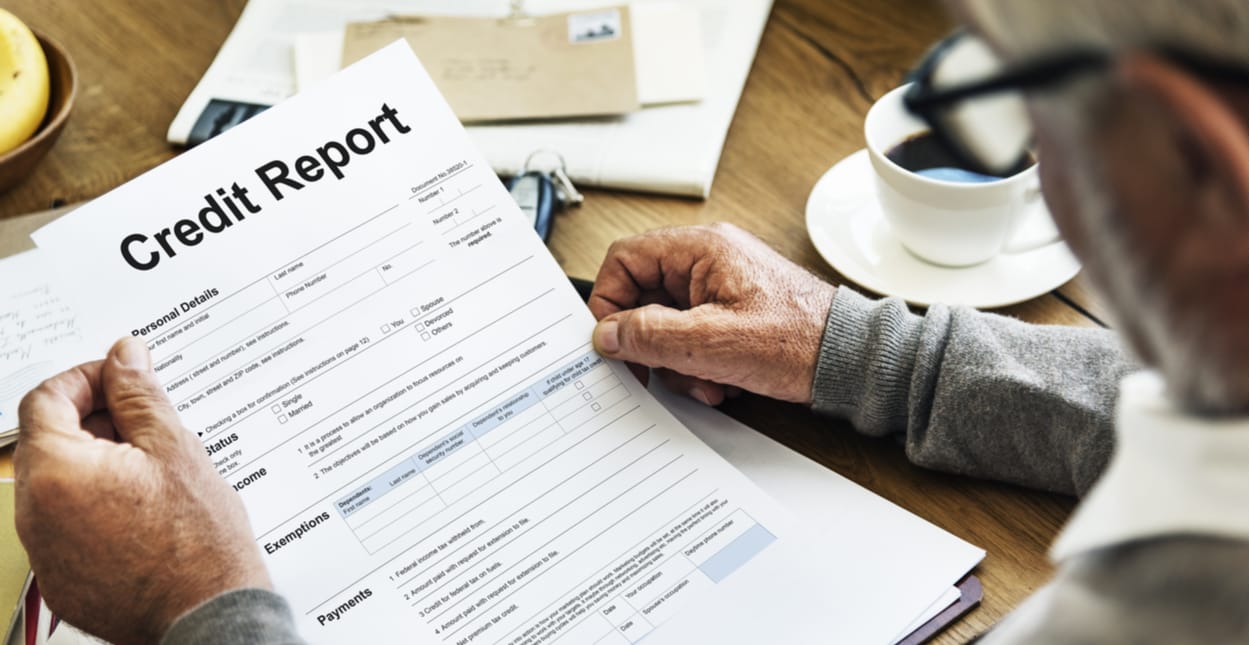
AnnualCreditReport.com is the federally mandated website created by the Fair and Accurate Credit Transactions Act (FACTA) of 2003. Before the pandemic, you could request one report per bureau per year. Since April 2020 the site has offered free weekly reports from all three bureaus, and that weekly cadence is now permanent. When you visit the site, you will answer identity-verification questions, then choose which bureau's report you want to see. You can pull all three at once or stagger them throughout the year. The key point is that you are seeing the actual lines of credit, payment history, and public records that the bureaus hold. The site does not show you a numeric score by default. It does give you the raw data that determines that score, which is exactly what you need to spot errors, fraud, or late-payment reporting mistakes.
Why your score stays safe
The confusion about “checking your credit hurts your score” comes from failing to distinguish between soft and hard inquiries. A soft inquiry occurs when you check your own report, when a credit card issuer pre-approves you, or when an employer runs a background check. These are visible only to you and have zero impact on your score. A hard inquiry happens when a lender pulls your credit to make a lending decision, such as applying for a mortgage, auto loan, or new credit card. Each hard inquiry typically knocks a few points off your score and stays on your report for two years. When you use AnnualCreditReport.com, you are initiating a soft inquiry. The credit bureaus collect information for my report from lenders, collection agencies, and courts, and they do not penalize you for looking at what they already have. The scoring models explicitly ignore self-initiated checks because they are considered responsible consumer behavior, not a sign of new debt. Financial advisors recommend checking your own reports at least once a quarter to catch identity theft early, and every single one of those checks is free and harmless.
Places people mistakenly trust
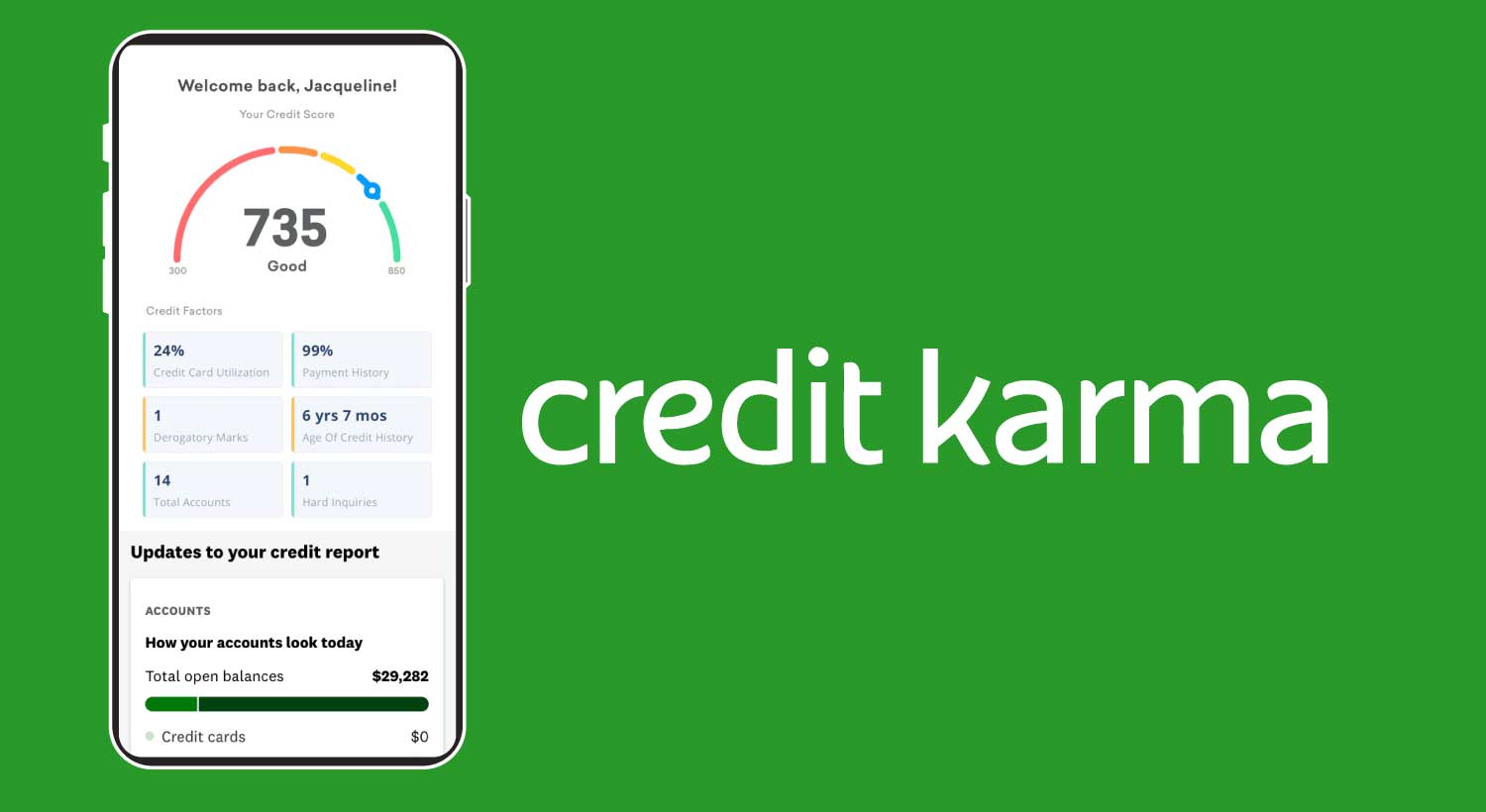
Despite the existence of the official site, many consumers wander onto third-party services that promise free credit reports & scores but come with hidden costs or incomplete data. Sites like Credit Karma, Credit Sesame, and NerdWallet offer VantageScores based on TransUnion or Equifax data. They rarely show you the full contents of your actual credit report. They show you a summary and a score, not the underlying accounts, balances, and payment history that you need to verify accuracy. Worse, many of these platforms use your email address to send endless promotional offers for credit cards, loans, and “credit repair” services. Some have been fined by the FTC for misleading users into paid subscriptions. Even your own bank or credit card app may offer a “free score” feature. That score is usually a soft-pull estimate that does not match the FICO score a mortgage lender will see, and it never gives you the actual report. The most dangerous mistake is typing “free credit report” into a search engine and clicking the first sponsored result. Many of those sites are lookalikes that charge a monthly fee after a 7-day trial, or they require you to enter a credit card just to see your data. Always type the address directly into your browser. Remember that AnnualCreditReport.com is the only place where you get all three bureaus, for free, with no strings attached.
Frequently Asked Questions
How often can I check my credit report for free?
You can check it every single week from each of the three bureaus at AnnualCreditReport.com. There is no limit to how many times you can visit, and each check is a soft inquiry that will not affect your score.
Will checking my credit report show up on a lender's screen?
No. Lenders only see hard inquiries that you initiate when you apply for credit. Your own soft-pull checks are visible only to you, so a lender will never know you looked at your report.
What if I find an error on my report?
You should file a dispute directly with the bureau that issued the report. Each bureau has an online dispute form, and they are legally required to investigate within 30 days. You can also attach supporting documents, like a paid-in-full notice, to speed up the correction.
Is a credit score the same as a credit report?
No. Your report is a detailed history of your credit accounts, payment timeliness, and public records. Your score is a three-digit number calculated from that report using a formula like FICO or VantageScore. AnnualCreditReport.com gives you the report, while your card issuer or a free service like Credit Karma gives you an estimate of the score. For a deeper dive into how these pieces fit together, explore the broader topic of credit reports & scores: what to know and how to handle it.