Home>Finance>How To Avoid Running Up Debt Again After Consolidating
Finance
How To Avoid Running Up Debt Again After Consolidating
Table of Contents
Freeze your spending by switching to a cash-only or debit-card system and immediately close or lock the paid-off cards so you cannot reuse them.
Why closing accounts avoids debt after consolidation
Keeping a zero-balance card open “for emergencies” sounds prudent, but it is the most common psychological trap in personal finance. You tell yourself the card is an emergency fund, yet when a car repair or a medical bill arrives, you swipe without hesitation, and then you feel guilty, and then you use the card again for groceries because you’re short that month. Before you know it, the balance is back, and you still owe on the consolidation loan. The credit card company wants you to keep the account open because they profit from your revolving balance, but you have no loyalty to them. Closing the card removes the option entirely, and that is what makes it work. You cannot spend what you cannot access, and a locked or closed card is as good as a piece of plastic in a shredder.
Another reason people resist closing cards is the mistaken belief that it will wreck their credit score. Yes, closing a card can lower your available credit and shorten your credit history, but the damage is temporary and far less costly than carrying a 22% APR balance again. A dip of 20 or 30 points is a small price to pay for the peace of mind that comes from knowing you cannot borrow against your own future again. If you are worried about your score, keep one older card open but freeze it in a block of ice or store it in a safety deposit box, out of your wallet, out of your phone’s digital wallet, and out of reach of one-click checkout. The goal is to create friction between your impulse and the credit line.
Building a buffer before you borrow again
Once the cards are closed, redirect the money you were paying toward those balances into a separate, hard-to-access emergency fund. Open a high-yield savings account at a different bank than your checking account, and set up an automatic transfer of an amount you choose every payday. The key is that you do not see that money in your normal account, so you are not tempted to spend it. Aim for a starter target set by many financial planners at one thousand dollars, then build toward three months of essential expenses. This buffer is your new safety net, and it exists precisely so that a surprise expense does not force you back to credit. When the water heater dies or the brake pads wear out, you pay cash from this fund, not with a card that you have to pay off over a year with interest.
If you do not have the extra cash to save, look at your budget for a single line item you can cut, streaming services, takeout coffee, or a gym membership you never use. Even a streaming subscription you rarely watch adds up to hundreds in a year, which covers a minor car repair or a deductible. The point is to build the habit of saving before you need to borrow, and to break the cycle of using credit as a stopgap. You can also consider a side gig for a few months, delivering food, selling unused items, or freelancing, to jumpstart the fund. The faster you build the buffer, the sooner you can stop worrying about the next emergency.
When consolidation fails
A debt restructuring plan fails when you treat the loan as a reset button rather than a final payoff. The warning sign is when you find yourself rationalizing a new purchase with phrases like “I deserve this” or “I’ll pay it off next month” within weeks of signing the loan documents. You might also notice that your spending on non-essentials has not changed, you are still eating out, buying clothes, or upgrading your phone, just with a lower monthly payment that frees up cash you immediately spend. Another red flag is using the consolidation loan to pay off the cards, then immediately using the cards for a big-ticket item like a TV or a vacation, telling yourself that you have “room” in the loan payment. That is not a debt payoff strategy; that is doubling your debt.
Debt consolidation only works if you change the behavior that created the debt in the first place. The loan pays off the cards, but if you do not close the cards and build the buffer, you will end up with both a loan payment and new credit card balances, the exact scenario you feared. You also need to be honest about why you borrowed in the first place. If it was for medical bills or a job loss, that is one thing. If it was for lifestyle creep or impulse spending, you need to address the root cause, whether that means a stricter budget, a cash envelope system, or a financial therapist. The loan is a tool, not a cure, and you are the only one who can prevent the next cycle. This is the truth no lender will print on their brochure: a consolidation loan does not pay off your debt, it just moves it, and you still owe every cent.
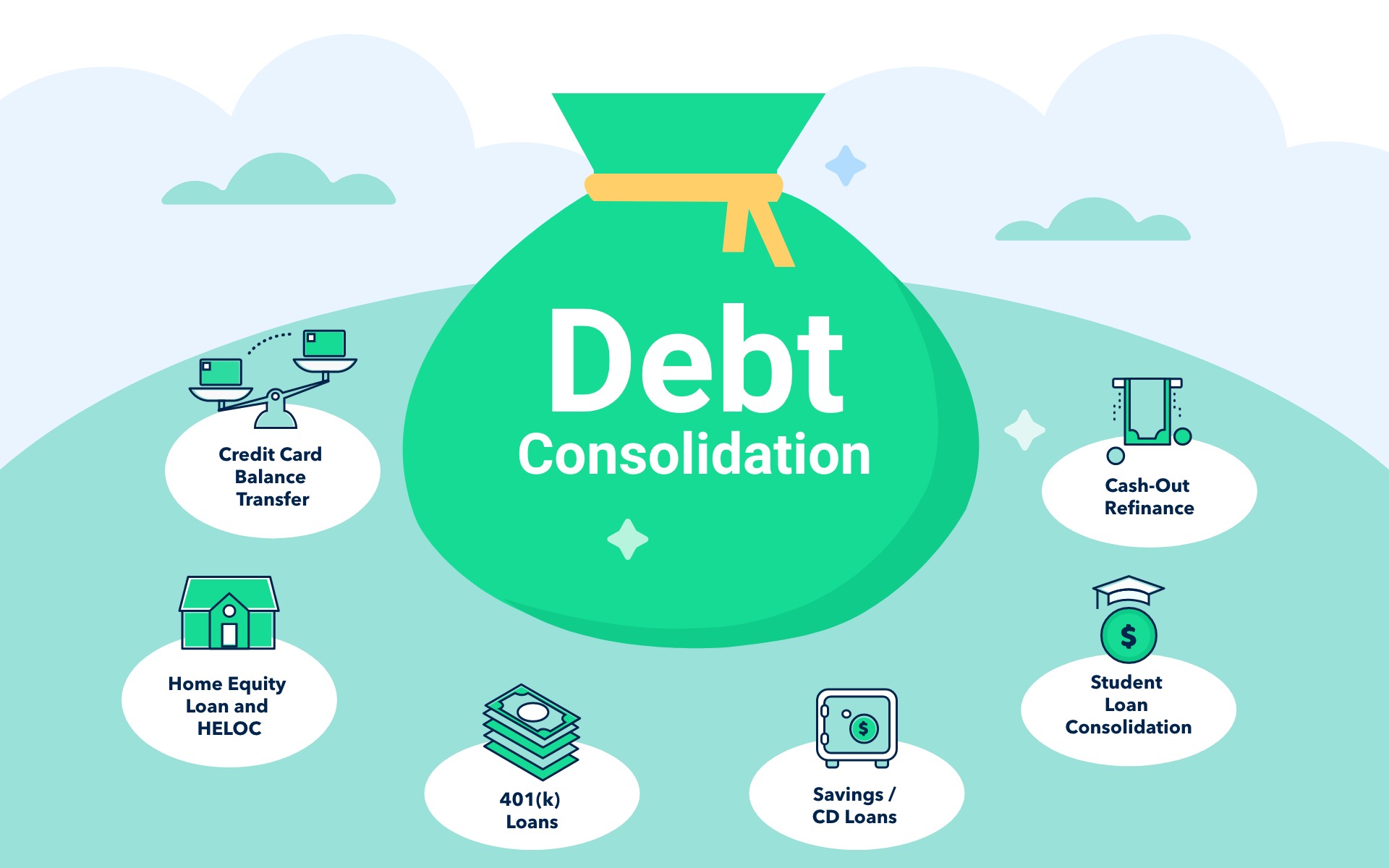
To truly avoid running up debt again after consolidating, you must also consider alternative strategies like a balance transfer or a debt management plan. If you have a good credit score, a 0% balance transfer card can give you 12 to 18 months of interest-free repayment, but you must close the old accounts and never use the new card for purchases. You can also consolidate debt without a loan by negotiating directly with your creditors for a lower interest rate or a hardship plan. And if you have student loans, be careful not to consolidate student loans with credit card debt, that would mix unsecured and secured debt, potentially losing federal protections like income-driven repayment or loan forgiveness. Keep your debts separate, pay them down one at a time, and let the consolidation loan be the final chapter, not the first page of a new story.
Frequently asked questions
Should I cancel my credit cards immediately after consolidating?
Yes, but do it strategically. Call each issuer and close the account, or request a product change to a no-fee card that you freeze. Do not cancel your oldest card if you are worried about credit history, just lock it away and remove it from all digital wallets.
How much should I save in my emergency fund before I feel safe?
Start with the minimum buffer many advisors recommend at one thousand dollars, then build toward one month of essential expenses within six months. Aim for three months within a year. That buffer should cover a car repair, a medical deductible, or a temporary income gap without touching credit.
What if I have a medical emergency and no savings?
If you have no buffer, negotiate a payment plan with the provider before you swipe a card. Many hospitals offer interest-free installment plans or financial assistance. Use the credit card only as a last resort, and pay it off before the promotional rate ends.
Can I transfer my consolidation loan balance to a 0% card later?
Technically yes, but it is rarely wise. Transferring a loan to a credit card usually incurs a 3-5% fee, and the promotional rate is temporary. You would be back to revolving debt, which is exactly what you are trying to avoid. Stick with the fixed loan, and for a deeper dive into managing your overall strategy, explore the broader topic of debt consolidation in our guide, Debt Consolidation: What to Know and How to Handle It.