Home>Finance>Debt Consolidation Vs Debt Settlement What Is The Difference
Finance
Debt Consolidation Vs Debt Settlement What Is The Difference
Table of Contents
Debt consolidation combines multiple debts into one new loan to simplify payments and potentially lower interest rates, while debt settlement negotiates with creditors to pay a lump sum that is less than the full amount you owe. Consolidation preserves your total debt balance; settlement reduces it but severely damages your credit.
How debt consolidation vs settlement works without reducing principal
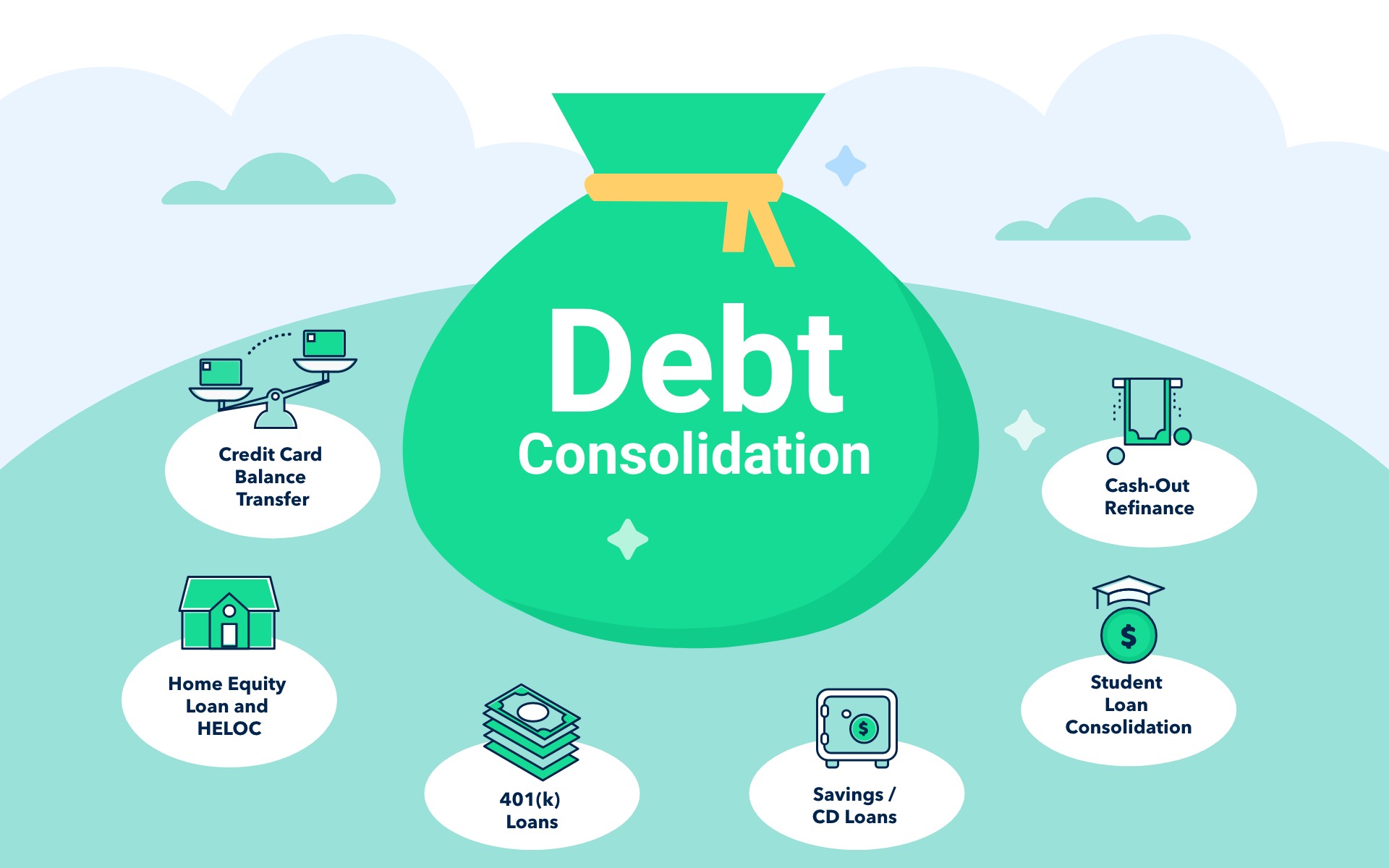
When you consolidate, you take out a new loan, often a personal loan, a balance-transfer credit card, or a home equity line, and use it to pay off your existing debts in full. From that point forward, you make one payment to one lender instead of juggling multiple due dates and interest rates. The key mechanic is that the principal, the actual amount you borrowed, does not shrink by a single dollar. You still owe every cent; you have simply moved it to a new account with a different interest rate and term length.
For example, if you owe a total of $12,000 across three credit cards at 22%, 25%, and 18% APR, a consolidation loan at 11% might cut your monthly interest charges roughly in half. But the $12,000 total obligation remains untouched. This figure is a snapshot of what a typical borrower might carry, set by the lender based on your specific credit profile at the time of application; for your actual rate and terms, check the lender’s official website directly. The benefit is structural: fewer bills, a clear payoff date, and potentially hundreds of dollars saved in interest each year. However, if your credit score is below 620, you may not qualify for a rate that actually beats your current cards. In that case, the consolidation loan could extend your repayment term, meaning you pay more interest over time even though the monthly payment feels lighter.
Before you apply, you should compare debt consolidation lenders and avoid scams that promise instant approval or charge upfront fees. A legitimate lender runs a hard credit check and gives you a fixed rate based on your income and history. Also, remember that you can consolidate debt without a loan by using a balance-transfer card with a 0% introductory period, or by working with a nonprofit credit counseling agency that sets up a debt management plan. These alternatives still do not reduce what you owe, they just reorganize how and when you pay it.
How debt settlement slashes your total owed but wrecks your credit
Debt settlement takes the opposite approach. Instead of restructuring your payments, you (or a company you hire) stop making payments to creditors entirely, typically after falling 90 to 180 days behind. The goal is to build up a lump sum in a dedicated savings account, then offer that lump sum to each creditor as a full settlement, often 40% to 60% of what you owe. If the creditor accepts, your total owed is reduced, and the debt is marked "settled for less than full amount" on your credit report.
That reduction is real, but the damage is severe. Your payment history takes a direct hit because you deliberately missed payments, and a settled account stays on your credit report for seven years from the original delinquency date. Your credit score can drop by 100 to 150 points or more within the first few months. Additionally, the IRS treats forgiven debt as taxable income. If you settle a $10,000 liability for $5,000, you may owe income tax on the remaining $5,000, which arrives as a 1099-C form the following January. The $10,000 starting figure and $5,000 settlement amount shown here are hypothetical examples set by the creditor during negotiation; the actual amount your creditor will accept depends on your specific situation, and you must verify the final settlement terms directly with that creditor.
Settlement also carries a high failure rate. Creditors are not obligated to negotiate, and they may sue you for the full amount while you are still saving. If you go through a for-profit settlement company, you will pay fees, typically 15% to 25% of the enrolled debt, on top of the money you are setting aside. For someone already struggling, the math rarely works unless you have a reliable income and a strong stomach for collections calls.
When neither option is the right fix
There is a failure case for both strategies. If your total unsecured debt is under $5,000, settlement fees will eat up a huge chunk of any reduction, and most lenders will not approve a consolidation loan for such a small amount at a favorable rate. This $5,000 threshold is a general industry benchmark set by lenders for minimum loan amounts; consult a specific lender’s current guidelines to see what they will approve. In that situation, strict budgeting, the kind where you list every coffee and subscription and funnel every spare dollar toward the smallest liability first, is the most practical path. The debt is small enough to crush in 12 to 18 months without the credit damage or fees.
Conversely, if your credit score is already below 580, you likely cannot qualify for a consolidation loan at all, and settlement will only push your score lower while you are already in a fragile state. In that case, bankruptcy, either Chapter 7 or Chapter 13, might be the only viable option. Chapter 7 can discharge most unsecured debts within four to six months, although it stays on your credit report for ten years. The key is to avoid running up debt again after consolidating: consolidation assumes you have the income to pay it off, and settlement assumes you have the cash to negotiate. If neither is true, no amount of rearranging will fix a cash-flow problem that exceeds your ability to pay.
Frequently asked questions
Can I settle my own debts without a settlement company?
Yes, you can negotiate directly with creditors, and you should, because you will avoid paying 15% to 25% in company fees. Call the creditor once you have a lump sum ready, and start by offering 30% of the outstanding amount, then work upward slowly.
Does a debt consolidation loan hurt my credit score initially?
Yes, applying triggers a hard inquiry that can shave a few points, and opening a new account lowers your average account age. However, if you make on-time payments and keep the old accounts open with zero amounts owed, your score typically recovers within three to six months.
How long does a settled debt stay on my credit report?
A settled account stays on your report for seven years from the original delinquency date, not from the settlement date. The account will show as "settled" or "paid for less than full amount," which is a negative mark that lenders view less favorably than a paid-in-full account.
What happens if I default on a consolidation loan?
You will face late fees, a higher penalty interest rate, and your credit score will drop sharply. The lender may also sue you for the remaining amount, and unlike credit card debt, a personal loan is often unsecured, meaning the lender has no collateral but can still obtain a court judgment to garnish your wages.
Unlike settlement, which reduces what you owe, consolidation repackages your full debt load into a single instrument without forgiving a single dollar of principal.