Home>Finance>Does An LLC Protect My Personal Credit Score From Business Debt
Finance
Does An LLC Protect My Personal Credit Score From Business Debt
Table of Contents
An LLC alone does not protect your personal credit score from business debt because most lenders require a personal guarantee, making you directly liable. Your personal credit is only shielded if you secure true corporate-level credit that reports solely under the business's EIN without your personal backing.
The LLC credit score and personal guarantee trap
When you apply for a business loan, credit card, or line of credit with a bank like Chase, Wells Fargo, or an SBA lender, the application almost always includes a personal guarantee clause. This clause overrides the LLC's corporate veil for that specific debt. It makes you personally responsible for repayment if the business defaults. The lender runs a hard inquiry on your personal credit report. The account then appears on both your business and personal credit files. Even if you never miss a payment, the mere existence of that personal pledge means the debt is legally yours, not just the LLC's.
The trap is that most small business owners don't realize the commitment is non-negotiable until they've already signed. A term loan from a traditional bank, a merchant cash advance, or even a business credit card from a major issuer like American Express or Capital One will require your personal signature. This happens if your business has less than two years of operating history or under $250,000 in annual revenue. The only way to avoid this is to have a fully established business credit profile with strong revenue. Most new LLCs don't have that yet.
When business debt hits your personal report
Three specific triggers cause business debt to appear on your personal credit report. First, a personal pledge means the lender reports the account to the three major consumer bureaus, Equifax, Experian, and TransUnion, the moment you sign. If you default, miss a payment, or even carry a high balance, that negative status lands on your personal score. Second, using your Social Security Number instead of your Employer Identification Number (EIN) on the application ties the debt directly to your personal identity. Even if you use the EIN for the business's tax filings, the lender will report to consumer bureaus if they have your SSN on file.
Third, commingling funds, paying business expenses with personal cards or vice versa, can cause a lender to "pierce the corporate veil" in court. This doesn't just hurt your credit. It legally makes you personally liable for all business debts, not just the ones with a signed assurance. A default that triggers a collection agency, a tax lien from the IRS, or a court judgment against your LLC can all appear on your personal report. The only way to keep these off your personal credit is to ensure you never sign a personal liability clause, never use your SSN, and maintain separate bank accounts.
Building true business credit separation
The rare scenario where an LLC actually protects your personal score requires building vendor tradelines and business credit cards under an EIN with no personal backing required. This is possible with net-30 vendors like Uline, Grainger, or Quill. They report payment history to business credit bureaus like Dun & Bradstreet, Experian Business, and Equifax Business. You must apply using only the EIN, not your SSN. You must also ensure the vendor reports solely to business bureaus. Start with five to ten small vendor accounts and pay them in full or early. Your business credit score will rise independently.
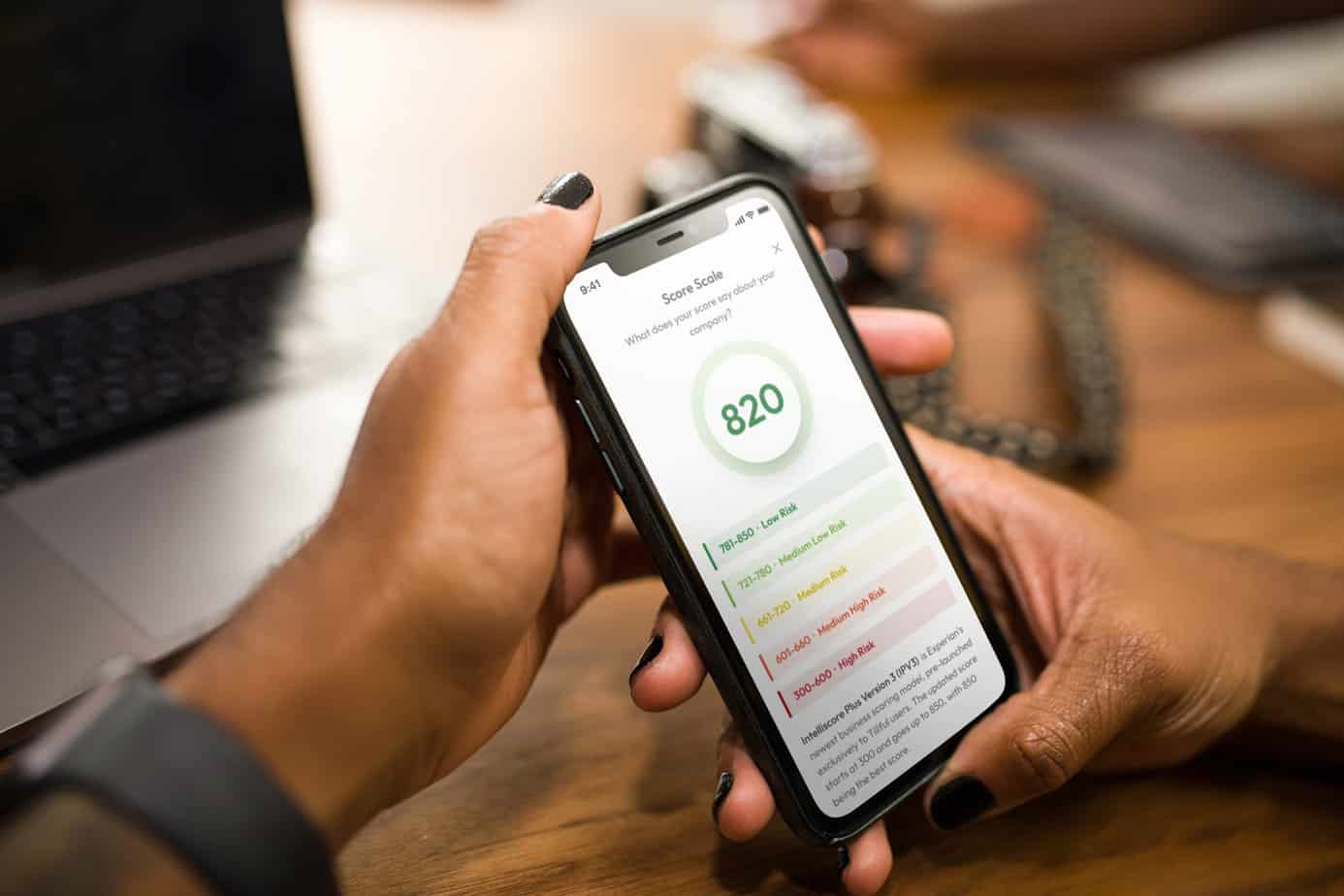
Once your business has a Paydex score above 80 and a business credit score above 700, you can apply for business credit cards from issuers that offer no-personal-liability options. This includes a business credit card from a credit union or a corporate card from a company like Brex or Ramp. These underwriters assess your business's cash flow, not your personal credit. At that point, you have achieved true separation. The LLC's liability shield works because you have no personal assurance on file. The debt reports only to business bureaus. If you want to understand the full process, you can review the hub on business credit & financing to see what lenders actually require. For a step-by-step method, you can also learn how to build business credit from scratch without personal guarantees by focusing on vendor credit and secured business cards that convert to unsecured after six months.
To monitor your progress, you can check your business credit score for free across all bureaus using tools like Nav, CreditSignal, or the free reports from Dun & Bradstreet and Experian. These services show you exactly what lenders see. This allows you to catch errors before they become problems. The key is patience. It takes 12 to 18 months of disciplined vendor payments to reach the point where you can qualify for a no-liability credit line. Until then, your personal credit remains exposed if you sign a personal commitment.
Frequently Asked Questions
Can I remove a personal guarantee from an existing business loan?
Yes, but only if you renegotiate the loan agreement after your business has improved its credit profile. Lenders may release your personal obligation if you have a strong payment history, higher revenue, or if you can provide additional collateral. You must formally request a release in writing. The lender may charge a fee.
Does an LLC protect my personal assets if I don't sign a personal guarantee?
Yes, without a personal commitment, the LLC's liability shield protects your personal savings, home, and investments from business lawsuits and debts. However, this protection does not cover fraud, intentional wrongdoing, or failure to pay payroll taxes. These are always personal liabilities.
What happens to my personal credit if my LLC files for bankruptcy?
If you have a personal pledge, the bankruptcy of your LLC does not discharge your personal liability. The debt will appear on your personal credit report as a delinquent account. If you have no personal assurance, the LLC's bankruptcy is reported on the business credit report only. This leaves your personal credit untouched.
In practice, this means the liability shield you formed your LLC for often fails at the first credit application. The lender sees your ownership stake and demands your individual signature as collateral for the loan. This is the fundamental question every founder must answer: does an LLC protect my personal credit score from business debt? The answer is no, unless you methodically replace personal liability with true corporate credit, which is why you should explore the broader topic of business credit & financing: what to know and how to handle it.