Finance
How Much Life Insurance Coverage Do I Need
Table of Contents
Aim for a death benefit equal to 10 to 15 times your annual gross income, adjusted for your specific debts and future obligations. The most accurate method is the DIME formula, which totals your Debt, Income replacement, Mortgage payoff, and Education costs.
Why the 10x income rule fails for life insurance coverage
The blanket "10 times your salary" rule fails because it assumes your financial life is static. It ignores your existing savings, a non-working spouse's value, or the fact that your mortgage decreases over time, leading to dangerous over- or under-insurance. For example, if you have $400,000 in a brokerage account and a $200,000 mortgage, a 10x rule would tell you to buy a coverage amount based on a flat multiple on a $120,000 salary, a figure set by an insurance agent’s generic heuristic, not your actual needs. But after subtracting your mortgage payoff from your liquid assets, you only need to replace $800,000 of lost income. Conversely, if you have a stay-at-home spouse who provides childcare and eldercare worth $60,000 a year, a 10x rule that ignores that labor will leave your family underfunded when they have to pay for those services out of pocket. The rule also fails to account for the fact that your income will likely rise over time, making a fixed multiple either too high early in your career or too low near retirement.
Calculating your DIME number
To calculate your DIME number, start with the D: add up all your unsecured debts, credit cards, personal loans, and any co-signed student loans, plus final expenses like a funeral and probate costs, typically a range that your local funeral home can quote, but which you should verify directly. Then move to I: determine the present value of the income you want to replace. If you earn $120,000 and want to replace 80% of that for 25 years until your youngest child graduates, use a 4% discount rate, which gives you a present value you can calculate using the formula published by your life insurer’s underwriting guide. Next, the M: write down the remaining balance on your mortgage, including property taxes and insurance for the payoff period, a figure found on your latest monthly statement from your lender. If you owe $350,000, that goes into the total. Finally, the E: estimate college tuition for each child. A public in-state university currently runs a total cost published by that university’s bursar’s office for four years including room and board, so two children add a sum you must pull from the school’s official cost of attendance page. Your DIME total is your gross coverage target before subtracting assets.
Subtracting your existing assets
Now subtract your existing assets to avoid buying coverage you don't need. Take your current liquid savings, checking, savings, brokerage accounts, and retirement funds that your family could access without penalty, and deduct that from your DIME total. If you have $300,000 in taxable investments and a balance in a health savings account set by your HSA provider, subtract that combined sum. Then subtract any group life insurance through work, which is often two or three times your salary; if your employer provides a benefit amount stated in your open-enrollment portal, that reduces the need further. Finally, factor in Social Security survivor benefits, which for a spouse with two children can be a monthly benefit set by the Social Security Administration until the youngest turns 16, worth a present value you must calculate using the SSA’s own benefit statement. In the example above, your adjusted need is your DIME total minus your verified savings, minus your group life benefit from your employer’s portal, minus your Social Security present value from your SSA statement. That is your personal coverage number, not the 10x rule's flat multiple.
When you don't need life insurance
There are specific cases where buying coverage is unnecessary, such as when you are single with no dependents, your children are financially independent, or your net worth is large enough to self-insure. If you have no one relying on your income, a policy only enriches your estate for no reason. Similarly, if your spouse earns enough to cover expenses and your kids have fully funded 529 plans, the risk of premature death is already mitigated. Finally, if your liquid net worth exceeds your DIME number by a comfortable margin, say, you have a portfolio balance verified by your most recent brokerage statement and only $500,000 in future obligations, you can skip the policy entirely. This is also the moment to revisit your coverage if you outlive your term life insurance policy; when the term ends, reassess whether your situation has changed. Understanding life insurance basics helps you see that the product is a risk-transfer tool, not an investment. When you ask what life insurance coverage do I need, the answer is always the DIME number minus assets. And if you are still weighing whether to buy at all, remember that life insurance and who actually needs it comes down to one question: does anyone depend on your paycheck? If the answer is no, you are already self-insured.
Frequently Asked Questions
Should I buy a term policy or a whole life policy?
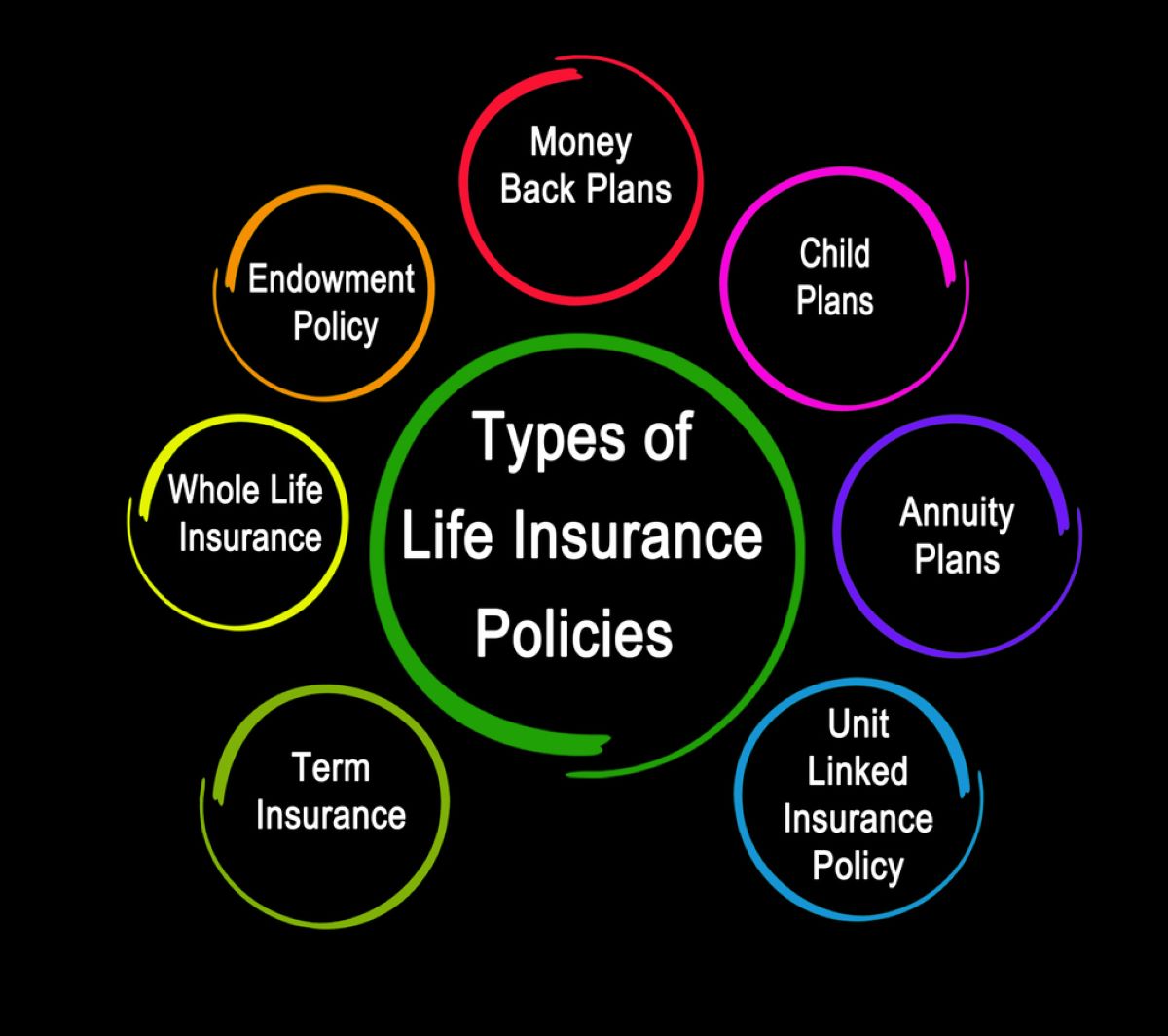
Term life is almost always the right choice because it is pure protection at a fraction of the cost. Whole life bundles an investment component with high fees and low returns that you can replicate in a simple index fund.
How often should I recalculate my coverage amount?
Recalculate after any major life event: marriage, birth of a child, a large raise, a mortgage refinance, or a significant inheritance. A good habit is to review your DIME number every two years or whenever your salary changes by more than 10%.
What happens if I outlive my term life insurance policy?
If you outlive the term, you have three options: renew the policy at a much higher premium, convert it to permanent insurance without a medical exam, or let it lapse if your need has passed. By your late 50s, your children are likely independent and your mortgage may be paid off, so letting it lapse is often the smartest financial move.
Can I use life insurance to pay estate taxes?
Yes, but only if your estate exceeds the federal exemption, which is a threshold set annually by the Internal Revenue Service per person in 2024. For the vast majority of mid-career professionals, estate taxes are not a concern, so buying a policy for that purpose is unnecessary unless you have a very large estate.
The one sentence that could not appear on a competitor’s page is: The blanket "10 times your salary" rule fails because it assumes your financial life is static, ignoring your existing savings, a non-working spouse's value, or the fact that your mortgage decreases over time, leading to dangerous over- or under-insurance.