Home>Finance>How To Switch Banks Without Missing A Direct Deposit
Finance
How To Switch Banks Without Missing A Direct Deposit
Table of Contents
Keep your old account open with a buffer balance until you see the first successful deposit land in your new account, then manually sweep the remaining funds and close the old one. The only way to guarantee zero gaps is to overlap the accounts, never to cut it close on payday.
The fatal mistake of closing too early when you switch banks
Closing your old account immediately after submitting the new direct deposit form is the number one reason people miss paychecks. Your HR portal may confirm the change in seconds. But your employer’s payroll cycle is not real-time. Most companies run payroll on a fixed schedule. The file they send to their bank or third-party processor (like ADP, Gusto, or Paychex) is often finalized two to four business days before payday. If you close the old one on Monday and payroll submits the file on Tuesday, that deposit will be rejected. Your new bank won’t see it either. The funds sit in limbo for 3-5 business days while payroll reissues a paper check. And your rent is due on the first. Even worse, some employers only run direct deposit changes on the first of the month. You could wait 30 days for the new one to take effect. The old one is not just a placeholder. It is the only thing standing between you and a missed payment.
How to overlap accounts safely
Open the new one at least two weeks before your next payday. Leave the old one open with enough cash to cover every automatic bill payment that will hit in the next 45 days. Go through your bank statement and list every recurring debit: rent, utilities, streaming services, gym membership, loan payments. Add 10% to that total for unexpected charges like annual fees or subscription price increases. Keep that buffer in the old one. Do not touch it. When your new one receives the first deposit, visually confirm it in the mobile app, not just an email notification. Update your bill pay settings to pull from the new one. Leave the old one open for one more full pay cycle to catch any stray deposits. This includes things like a quarterly bonus or a refund from a merchant you forgot about. During that second cycle, some employers allow you to deposit a fixed dollar amount into one and the remainder into another. If payroll splits your check across two destinations, you can safely redirect 100% to the new one. Then manually transfer any remaining balance from the old one. Once you see two consecutive deposits land in the new one, close the old one by calling the number on the back of your debit card or visiting a branch. Ask for a written confirmation of closure. Keep that document for your records in case a stray check ever tries to clear.
When a simple switch isn't enough
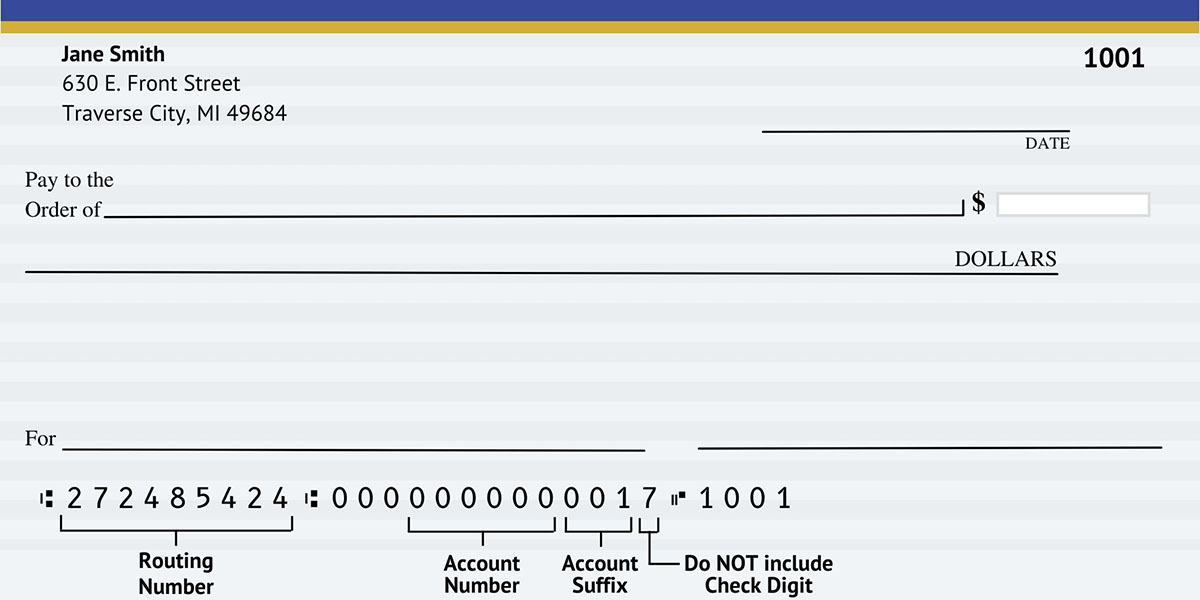
Overlapping fails in two specific scenarios. First, some employers require a voided check from the new bank before they will process any change. This is common at government agencies and large corporations. They will not let you keep the old one open as a backup. Their system marks the old one as “inactive” the moment you submit the new form. In that case, you must open the new one and request a counter check from a teller. That check shows the routing and account number. Submit it with your HR form. Then, instead of leaving the old one open, you close it only after the new deposit posts. You manually pay any outstanding bills from the new one with a cashier’s check or same-day wire. Second, government benefits like Social Security or VA disability have mandatory blackout periods. The Social Security Administration (SSA) requires you to submit a change of direct deposit at least 30 days before the expected payment date. They will not process a change made after the 15th of the month. If you are in this situation, you cannot overlap. The SSA will reject the new one until the next cycle. Instead, you must wait for the first payment to hit the old one. Then close it. If the next payment goes to the closed one, file a “lost or stolen” claim with the SSA. That claim takes 4-6 weeks to process. For most people, the overlap method is safer. But if you are on government benefits, your only safe move is to plan two months ahead. This is why you should read up on the average time to switch banks completely before you start. The timeline is rarely as short as you want. And if you are worried about fees, you can switch banks when you are overdrawn only after you bring the balance to zero. Check your current balance before you even open the new one.
Keep your old one open with a buffer balance until you see the first successful deposit land in your new one. Then manually sweep the remaining funds and close the old one. The only way to guarantee zero gaps is to overlap them. Never cut it close on payday. This is not a suggestion. It is the only method that protects you from your employer’s payroll vendor, your own forgetfulness, and the fact that automated clearing house (ACH) deposits can bounce back to the sender if the account number is no longer valid. You are not switching & closing banks so much as you are running two in parallel for one or two pay cycles. That overlap is your safety net. This is the definitive guide on how to switch banks without missing a direct deposit, even when your balance is negative, because you can switch banks when you are overdrawn only after you zero it out.