Home>Finance>What Is The Average Time To Switch Banks Completely
Finance
What Is The Average Time To Switch Banks Completely
Table of Contents
A full bank switch takes an average of 2 to 4 weeks for all automatic transactions to migrate and settle, though the legal account closure itself can happen in a day. The delay is almost never the bank's processing time - it's the lag caused by third-party billers and payroll departments updating your payment instructions.
Why switching banks completely isn't instant
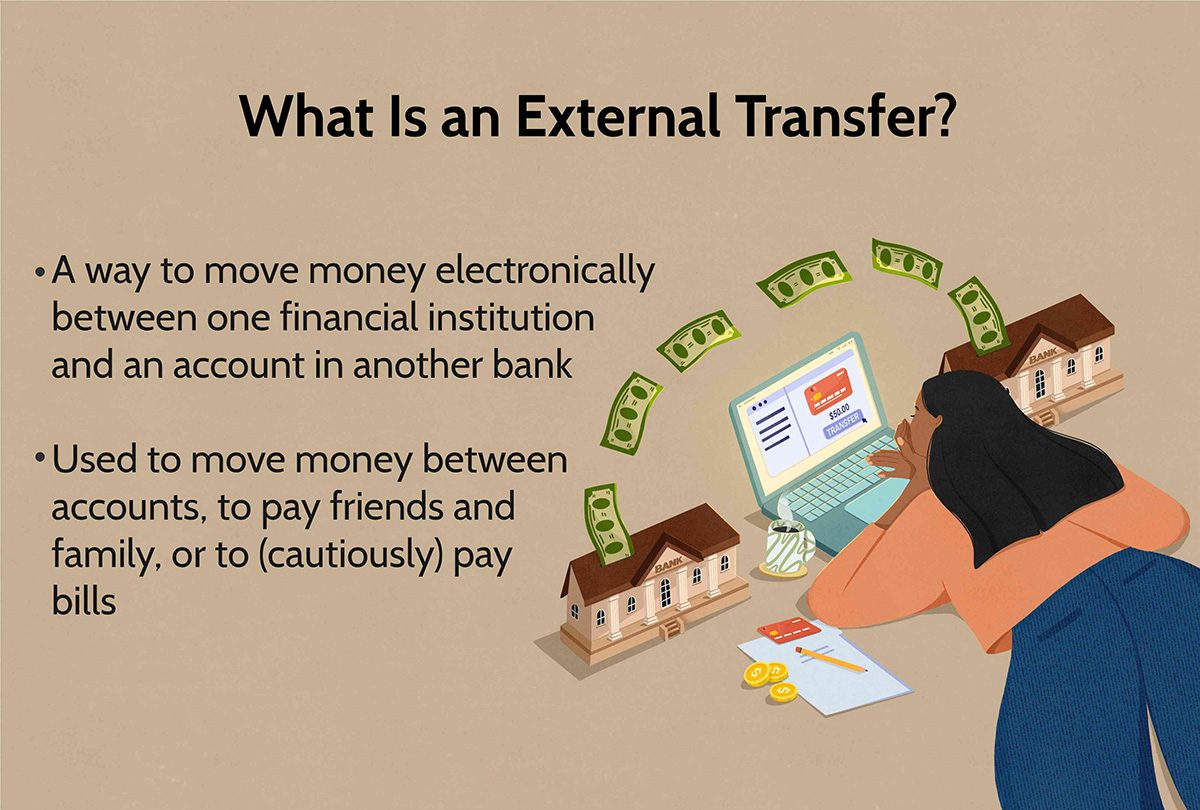
When you close an old banking relationship, your institution settles the balance immediately, but that action only severs your tie to that one entity. Every recurring payment you set up, your gym membership, streaming services, utility autopay, and especially your employer's direct deposit, operates on its own ACH cycle. ACH transactions are not real-time; they are processed in overnight batches, and each biller has a distinct cutoff time and processing window. Your new institution can receive your incoming deposits on day one, but the old one may still see a pending debit from a biller who received your new routing number only after their monthly cycle already locked in your old details. The average time to switch banks completely stretches because you are not moving money; you are re-routing a web of standing instructions, and each node in that web updates on its own schedule.
The dangerous gap most people forget
Here is the failure case that causes the most pain: you close the old checking product on day five because your new one is funded and your direct deposit has already switched, but a pre-authorized debit for your car insurance was submitted to the old destination on day three and is still pending. When that debit hits a closed destination, it bounces, your insurer charges a late fee plus a returned-payment fee, and the missed payment gets reported to credit bureaus if it drags past the grace period. This is not a rare edge case, it is the most common reason a switch feels broken. Banks do not forward debits; they reject them. The only safe way to avoid this is to assume every pre-authorized debit you have ever set up will fire at least once after you think you are done. That assumption is the difference between a smooth migration and a credit-score hit that takes months to repair.
When a switch takes 60 days or longer
Certain products and linked services stretch the timeline far beyond the typical month. If you are switching a joint holding that also services a mortgage, your lender may require a notarized change-of-authorized-withdrawal form, which adds a week of mailing time plus underwriting review. Tax refunds are another culprit, if the IRS has your old details on file from a prior year's return, a direct deposit can take six to eight weeks to be reissued by paper check after the original bounces. A linked brokerage is the worst offender: if you have automatic transfers from your checking into an investment vehicle, the brokerage often needs a voided check, a signature medallion guarantee, and a 10-day verification hold before they update the routing instructions. In these cases, the 2-to-4-week average becomes a floor, not a ceiling, and you should plan for 60 days of overlap before touching the old balance.
How to shrink the timeline safely
The pragmatic method is to overlap, not cut over. Keep both destinations open and funded for a full 30 days, and use that window to intercept stragglers manually. Leave a cushion in the old place equal to one month of your highest recurring debit, then log in every three days and transfer any remaining funds to the new one. When a stray payment hits, you will see it clear, and you can then close the old product with confidence. This also gives you a buffer for the two most common mistakes: forgetting a quarterly bill (like property tax) and missing an annual subscription renewal. After 30 days, if nothing has hit, close the old destination and move the remaining funds. This method does not require you to switch banks without missing a direct deposit, but it does ensure that if a deposit accidentally lands in the old location, you still have it open to receive it. For those in a tight spot, the overlap also lets you switch banks when you are overdrawn, you can let the old place go negative temporarily, then transfer funds to cover it before the new one is ever at risk. The goal is not speed; it is zero failed transactions, and the 30-day overlap achieves that reliably.
Frequently Asked Questions
What happens to my old balance if I close the destination before all payments clear?
You do not lose the money, the institution issues a cashier's check or a wire for the remaining balance, but only after all pending debits have been reconciled. That process can take up to 10 business days, during which you have no access to those funds.
Can I use the same recurring payment instructions for my new destination?
No. Most billers tie a pre-authorized debit to the specific product number and routing number on file. You must update each biller individually, and some require a micro-deposit verification that adds two to three days to the process.
Will switching & closing banks hurt my credit score?
Not from the closure itself, since checking products are not credit lines. However, a single missed payment caused by a bounced debit can be reported to the credit bureaus, and that negative mark can drop your score by 50 to 100 points.
How do I know when it is truly safe to close the old destination?
Wait until you have seen no activity for at least 10 business days after the last expected payment date. Then, log in and check for any pending ACH holds. If nothing is pending, close the product and request a final statement to keep for your records.
You are not stuck in limbo because anything is broken; you are waiting on a chain of external parties who each have their own batch-processing schedules, and that chain determines the true timeline.