Home>Finance>My Spouse Passed Away: A Step-by-Step Guide To Filing A Final And Estate Tax Return
Finance
My Spouse Passed Away: A Step-by-Step Guide To Filing A Final And Estate Tax Return
Table of Contents
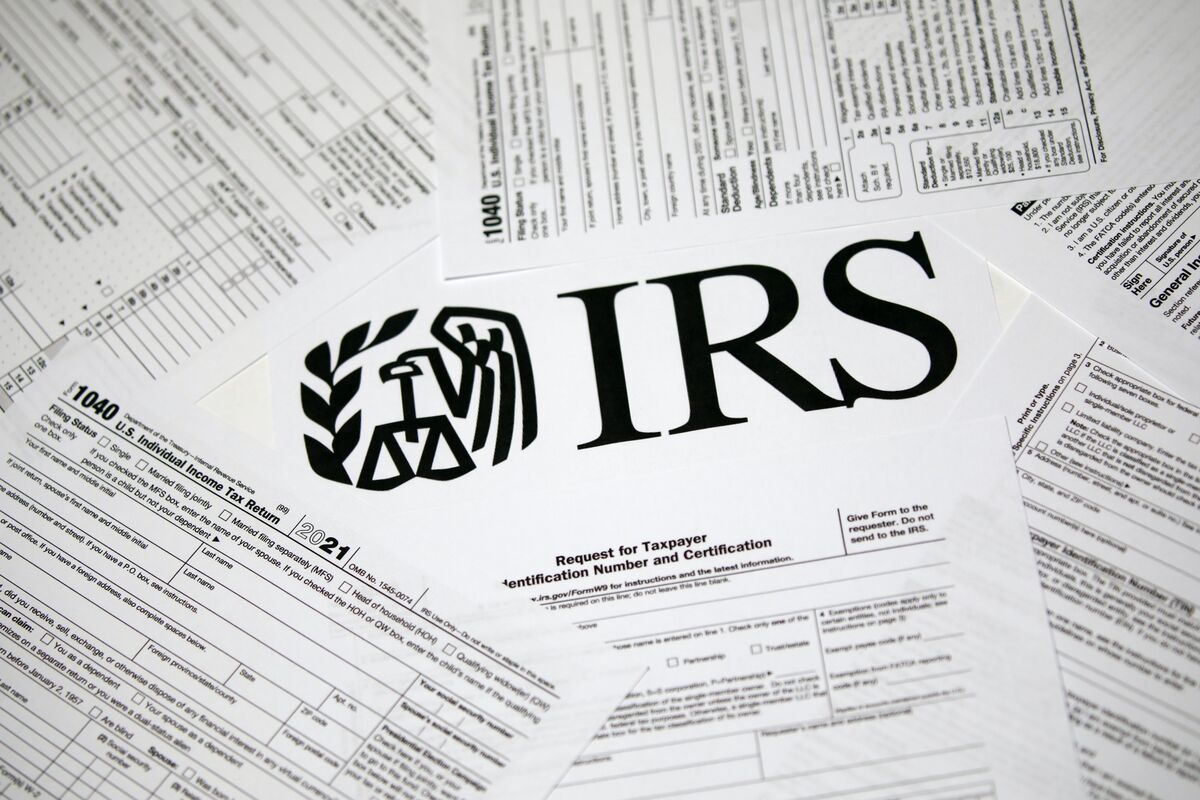
Yes, you must file a final personal tax return (Form 1040) for your spouse for the year they died, and you may need to file a separate estate income tax return (Form 1041) if the estate earns more than $600 in annual income before distribution.
Filing the final tax return for your spouse
For the year of death, you file a final Form 1040 on behalf of your spouse, and you sign it in a specific way. Write “Filing as surviving spouse” in the signature area, then sign your own name and write “for [deceased spouse’s name], deceased” next to it. If you are the executor or personal representative, you sign that way. If no one has been appointed yet, you can still sign as the surviving spouse filing the return. Use the “Married filing jointly” status for the entire year, because the IRS treats the deceased as if they lived the full year for tax purposes. You get the full standard deduction for a married couple, not half. You also get the full personal exemption amount if applicable, which helps lower the tax bill. Do not file a separate return for the deceased unless you were legally required to file separately before death. The joint return is almost always better because it uses both spouses’ income and deductions together.
When an estate tax return is actually required
The most common confusion is between the estate income tax return (Form 1041) and the federal estate tax return (Form 706), and the thresholds are wildly different. Form 1041 is for income the estate earns *after* death, such as interest, dividends, or rent from property the deceased owned. You only file it if that income exceeds a gross-income threshold set by the IRS for that tax year. Form 706, on the other hand, is a tax on the *value* of everything the deceased owned at death. It only applies to estates worth over the federal exemption amount set by Congress for that year, so the vast majority of grieving families never need to file it. If the total estate value is under that amount, you skip Form 706 entirely. You still might need Form 1041 if the estate bank account earns a small amount of interest set by the financial institution and the estate stays open for a few months. Many estates are simple and pass everything directly to a spouse. This means no Form 1041 is needed because the income is reported on the final joint return instead. Check with a tax professional if you are unsure, but do not assume a large house or a life insurance payout triggers the federal estate tax, it almost never does. For the current thresholds, always see the official IRS instructions for Form 1041 and Form 706.
Avoiding the common refund and debt traps
Do not cash a refund check made out to your deceased spouse, and do not pay a tax bill with your personal check if you are not personally liable. If the IRS sends a refund check in the deceased’s name only, you must return it with Form 1310, “Statement of Person Claiming Refund Due a Deceased Taxpayer.” This form tells the IRS where to send the money. You can file Form 1310 with the final Form 1040, or you can file it separately if the refund arrives after you file. Do not try to deposit it because the bank may freeze the account or the IRS may reject the payment. For a tax bill, pay from the estate’s bank account, not your personal account, unless you are the surviving spouse filing jointly. In that case, you are jointly liable for the debt, but you still should use the estate’s funds if available. If you are not a surviving spouse and the estate cannot pay, you can request an installment agreement or an offer in compromise. Never ignore the bill because the IRS will start charging interest and penalties. Also, beware of a refund offset. If the deceased owed child support or student loans, the IRS can take the refund, but you can claim an injured spouse allocation on Form 8379 to protect your half. Finally, remember that the IRS has its own “life events & taxes” hub for this topic. You can find the related article “my spouse passed away” for a deeper walkthrough. Check “just got married” if you remarry later and need to update your withholding. Also see “i’m now a widow or widower” for rules on the qualifying surviving spouse filing status for the next two years.
Frequently Asked Questions
What if I cannot find my spouse’s old tax returns?
You can order a free tax transcript from the IRS website or by calling 1-800-908-9946. This transcript shows income and deductions for the past three years. If you need a prior year return, use Form 4506-T to request a copy. The transcript is usually enough to reconstruct the basics.
Do I need to file a separate return for the estate if the only asset is a house?
No, a house that passes directly to you as a surviving spouse does not generate income, so no Form 1041 is needed. However, if the house earns rent or is sold during the estate administration, that income or gain goes on Form 1041.
What happens if I file the final return late?
The penalty for filing late is 5% of the unpaid tax per month, up to 25%. You can get a six-month extension using Form 4868. The extension is automatic, but it only extends the filing deadline, not the payment deadline. Estimate and pay any tax due by the original April 15 date to avoid interest.
Can I use the qualifying surviving spouse status after the final return?
Yes, for the two years after the year your spouse died, you can file as “Qualifying Surviving Spouse” if you have a dependent child and you have not remarried. This gives you the same standard deduction and tax brackets as married filing jointly, which can save you thousands of dollars.
Form 1041 is for income the estate earns after death, and Form 706 is a tax on the total value of everything the deceased owned. The filing thresholds for these two returns are wildly different, and the vast majority of grieving families never need to file Form 706.