Home>Finance>What Is Free Cash Flow And How Do I Calculate It From A 10-K
Finance
What Is Free Cash Flow And How Do I Calculate It From A 10-K
Table of Contents
Take net cash from operating activities, subtract capital expenditures (found in the investing section, often labeled 'purchases of property, plant and equipment'), and adjust for any capitalized software or acquisition-related outflows if you want a stricter measure. The core formula is Free Cash Flow = Operating Cash Flow - CapEx.
Finding the free cash flow numbers in the cash flow statement
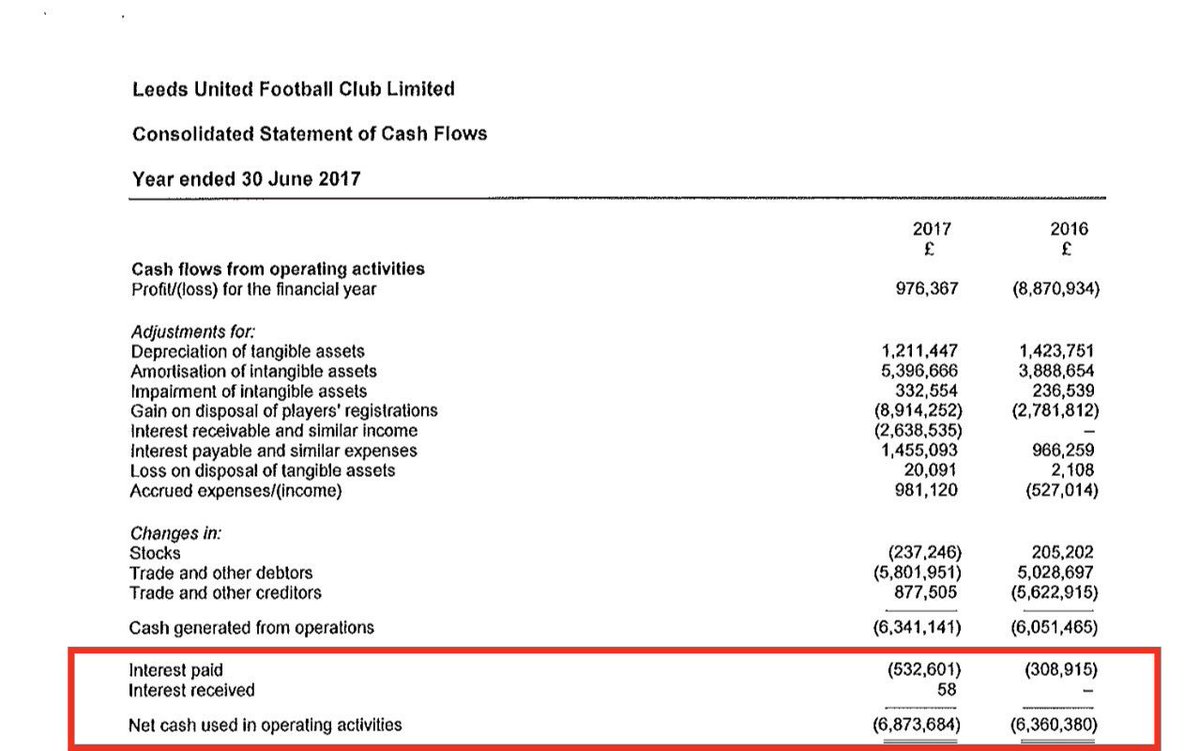
Open the 10-K and jump to the statement of cash flows. This is the third financial statement in the filing. The first line you need is “Net cash provided by operating activities.” It’s usually near the bottom of the operating section, after adjustments for depreciation, deferred taxes, and changes in working capital. Some companies label it “Cash flows from operating activities, net” or “Net cash from operations.” But it’s always the subtotal that reflects cash generated from the core business, not from selling stock or borrowing.
The second number is capital expenditures (CapEx). It sits in the investing section. The most common label is “Purchases of property, plant and equipment.” You’ll also see “Additions to fixed assets,” “Capital expenditures for property and equipment,” or simply “Capital expenditures.” In rare cases, a company will combine CapEx with acquisitions under “Payments for businesses acquired, net of cash acquired.” If that’s the case, you’ll need to split the line or read the footnotes to isolate the true fixed-asset spend. Always scan the full investing section, not just the first line. Some firms bury maintenance CapEx inside “Other investing activities” when the total is small.
That single calculation gives you the cash a business generated after funding the fixed assets it needs to keep operating and growing. It’s the first number many investors check to see whether reported earnings are backed by real, spendable cash.
When the simple formula breaks down
The basic FCF formula assumes every cash outflow for long-term assets appears in the investing section. But that’s not always true. A common pitfall is capital expenditures hidden in financing activities. For example, when a company buys equipment through a finance lease, the principal repayment shows up in financing cash flow. The initial asset purchase never hits the investing section. If you see a large “Repayments of finance lease obligations” line, you should add the implied new lease assets back to CapEx to get a true picture of spending.
Another distortion comes from one-time items that inflate operating cash flow. A company that sells a factory or collects a large legal settlement will report a one-off cash boost that isn’t repeatable. If you subtract CapEx from that inflated operating number, you’ll overstate sustainable FCF. Similarly, growth companies that pay employees with stock options show a non-cash expense in the income statement. They add it back in operating cash flow. So their operating cash flow looks far higher than what a shareholder could actually receive. For those firms, subtract stock-based compensation from operating cash flow before subtracting CapEx. Otherwise, you’ll conclude a money-losing business is a cash machine.
Finally, the simple formula breaks down when a company capitalizes software development costs. Tech firms often record “Purchases of internal-use software” inside investing activities. But some bury it in operating cash flow under “Software development costs.” If you don’t add that back to CapEx, you’re undercounting the true investment in the product. You’re also overstating FCF.
Levered vs. unlevered free cash flow from the same filing
Levered free cash flow (LFCF) is what’s left after paying interest on debt and mandatory principal repayments. It’s the cash available to equity holders. Unlevered free cash flow (UFCF) ignores all financing costs. It measures cash available to both debt and equity holders. To compute UFCF from the 10-K, start with operating cash flow. Add back after-tax interest expense, since interest was subtracted in the income statement but isn’t part of operations. Then subtract CapEx. You’ll find the interest expense on the income statement and the tax rate in the tax footnote. Multiply the pre-tax interest by (1, effective tax rate) to get the after-tax add-back.
When should you use which? Use LFCF when valuing the company’s equity directly, like a dividend discount model. Use UFCF when you’re doing a discounted cash flow (DCF) analysis to value the whole firm. You want to separate operating performance from capital structure decisions. A highly leveraged company might show negative LFCF while UFCF is strong. That’s a signal the business is operationally sound but burdened by debt. This is a very different conclusion than “the business doesn’t generate cash.” For a quick check, most self-directed investors stick with the simple formula. But if you’re comparing companies with different debt levels, UFCF is the only fair apples-to-apples comparison.
The same 10-K gives you both numbers, but you have to do the reconciliation yourself. Pull the operating cash flow subtotal. Find interest expense in the income statement. Check the effective tax rate in the tax footnote. Then you’re done. This is where financial statements analysis comes alive. You’re not just reading one report in isolation. You’re connecting the cash flow report to the income statement and balance sheet. That’s why you should also learn to read an income statement for a company i might invest in, because interest expense and tax rates live there. And if you’re still wondering a cash flow statement and why does it matter more than profit, the answer is simple: profit can be manipulated with accounting choices, but cash flow is harder to fake. The best way to see the whole picture is to understand how the three main financial statements fit together. The income statement feeds retained earnings. The balance sheet feeds working capital. And the cash flow report ties them together.
Frequently Asked Questions
Should I use net income or operating cash flow as the starting point for FCF?
Always start with operating cash flow, not net income. Net income includes non-cash charges like depreciation and amortization. It’s also affected by changes in working capital that don’t represent cash moving in or out.
What if the 10-K doesn’t show a separate CapEx line?
Check the footnotes to the cash flow report. Many companies break out “purchases of property and equipment” in the notes even if the statement itself groups it with other investing activities. If that fails, look at the balance sheet. The increase in gross property, plant and equipment minus depreciation gives you a rough CapEx estimate.
How do I handle acquisitions in FCF?
Exclude acquisition payments from CapEx unless the acquisition was a purchase of fixed assets only. Buying another business is an investment in growth, but it’s not maintenance CapEx. Subtract it separately if you want to see the difference between organic and inorganic spending.
Does stock-based compensation always need to be subtracted?
Only if you want a conservative measure of owner earnings. For mature companies with modest stock comp, the adjustment is minor. For high-growth tech firms, it can swing FCF by 20% or more. Compare FCF with and without the adjustment to see the range, and for a deeper dive into how these and other metrics fit together, explore the broader topic of financial statements analysis in our guide, Financial Statements Analysis: What to Know and How to Handle It.