Investing
Crypto
Table of Contents
First, understand what you're actually dealing with in crypto trading
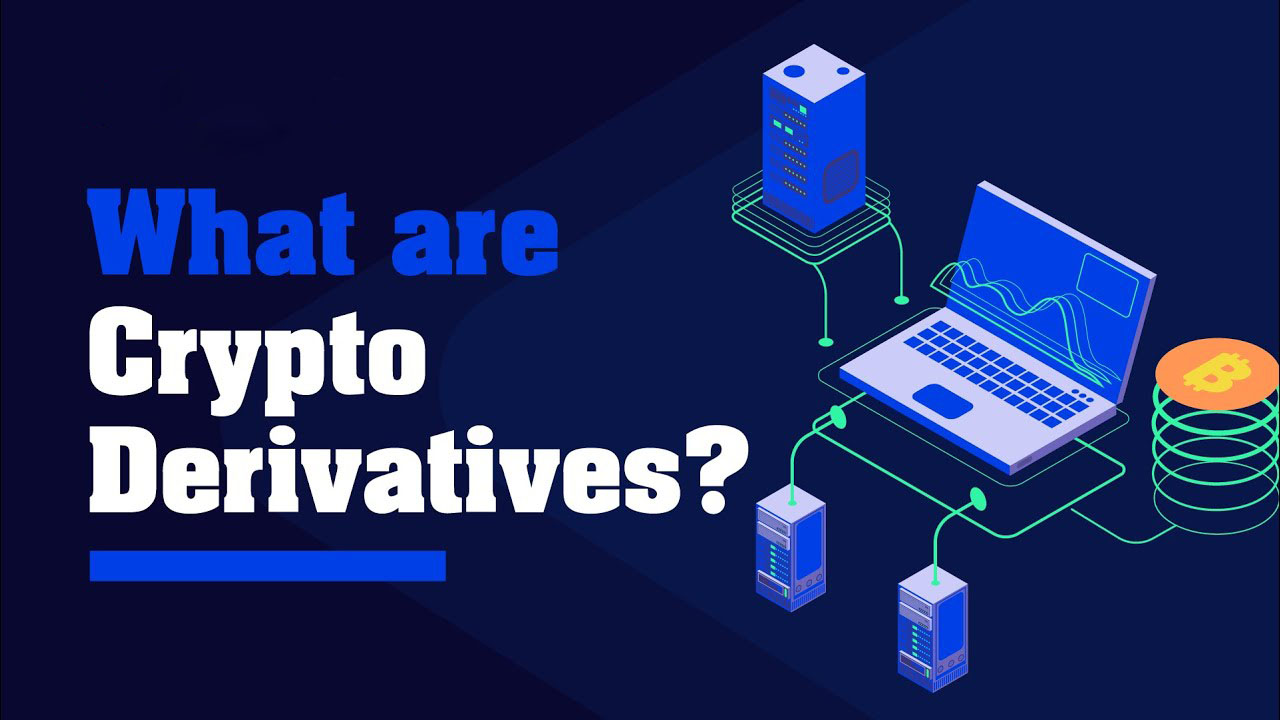
This crypto trading guide starts where most beginners go wrong: fixating on a single coin's price instead of letting market capitalization act as your real compass for judging a project's size and relative risk, which is essential when navigating crypto frontiers. Market capitalization is simply the total supply multiplied by the current price. Before you place a trade, you also need to recognize that not all networks operate the same way. A permissioned blockchain, for instance, restricts who can validate transactions and view data, a fundamentally different trust model from the open, public ledgers behind most major cryptocurrencies. The underlying tech can feel like magic, yet a zk-snark is really just a cryptographic proof that lets someone verify a statement is true without seeing the secret details behind it, a privacy tool increasingly built into scaling solutions. Once you move past simply buying and holding, you step into a world of crypto derivatives, contracts like futures that let you speculate on price movements without owning the underlying asset. On a regulated venue like Coinbase Derivatives, these are cash-settled, and retail traders gain access by opening an account with a futures commission merchant, obtaining appropriate product permissions, and then trading through the Coinbase Advanced interface.
Then, put your money to work
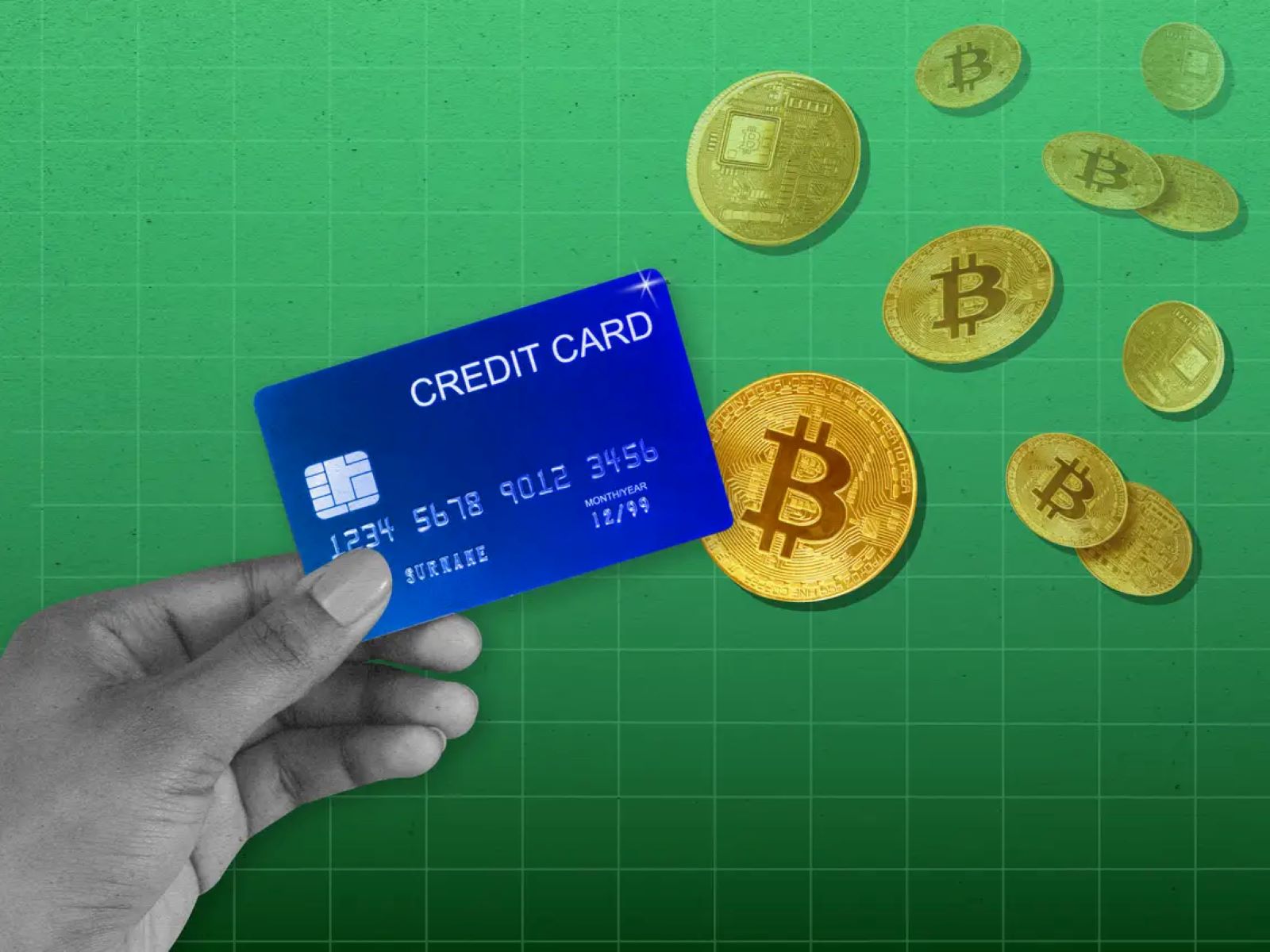
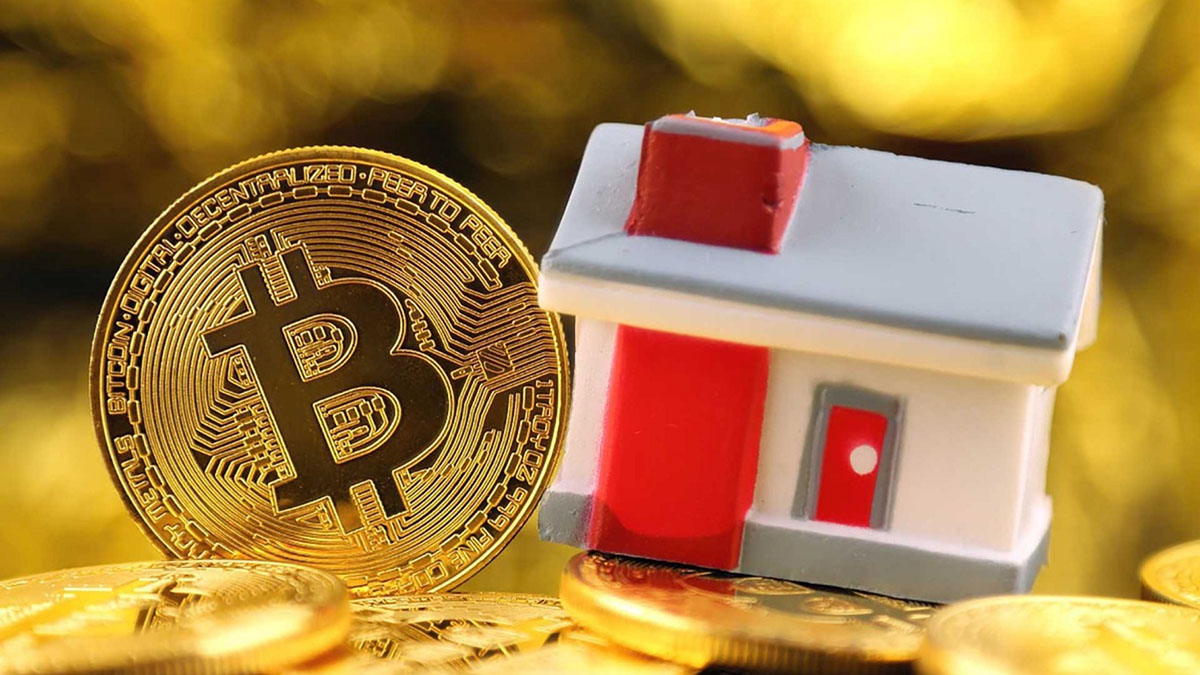
Growing your crypto wealth generally splits into two paths: active trading and passive income. The difference between them matters more than which coin you pick. Active strategies demand constant attention to market moves. Passive approaches let your existing holdings work while you sleep. If you have ever wondered whether you can buy real estate with cryptocurrency, the answer is yes. BitPay says it supports buying Bitcoin and Ethereum and that users can pay with Apple Pay, PayPal, credit or debit cards, Venmo, Cash App, or a bank account. The transaction still flows through a fiat settlement layer that the seller receives. For those who prefer to earn without daily chart-watching, there are 8 ways to generate passive income with cryptocurrency. These include staking, liquidity provision, and lending. Each carries different lock-up periods and smart-contract risks you need to weigh before committing funds. The same principle of understanding true market value applies even in the more speculative corners of the space. Projects like Orsetto Gang Unleashed build communities around NFT collections. Their floor prices often swing wildly independent of any underlying cash flow. Before you deploy capital into any of these strategies, check your app compatibility. Exodus says it is a non-custodial wallet and its App Store page says it requires iOS 16.0 or later on iPhone. Oobit says its Tap to Pay feature lets users pay with crypto at Visa or Mastercard terminals, and its App Store page says it requires iOS 15.4 or later on iPhone. These small version gaps can block a trade when you least expect it.
Finally, manage the practical side
When you are ready to move money off a platform, the mechanics differ sharply from sending fiat. To withdraw from blockchain addresses into your bank account inside the Blockchain.com app, first switch from the DeFi Wallet view into the Blockchain.com Accounts view. On the home screen, tap US Dollar and choose Cash Out for bank withdrawals, or tap Cash Out directly for card withdrawals. The available methods depend on what you have already linked: an ACH or wire transfer requires a connected bank account, while an instant cashout only appears next to an account the system has already flagged as eligible. If instead you need to send crypto to another wallet, go through Portfolio, tap Withdraw, pick Crypto, and paste the destination address before confirming with your 6-digit 2FA code. The logistics are straightforward, but the real work often lies in turning knowledge into a livelihood. To start a career in blockchain technology, the landscape is far broader than trading desks and requires the same instinct for sizing up substance over hype that keeps you from mistaking a low unit price for a bargain.