Home>Credit Cards>Store & Merchant Credit

Credit Cards
Store & Merchant Credit
Table of Contents
Understand your store merchant credit
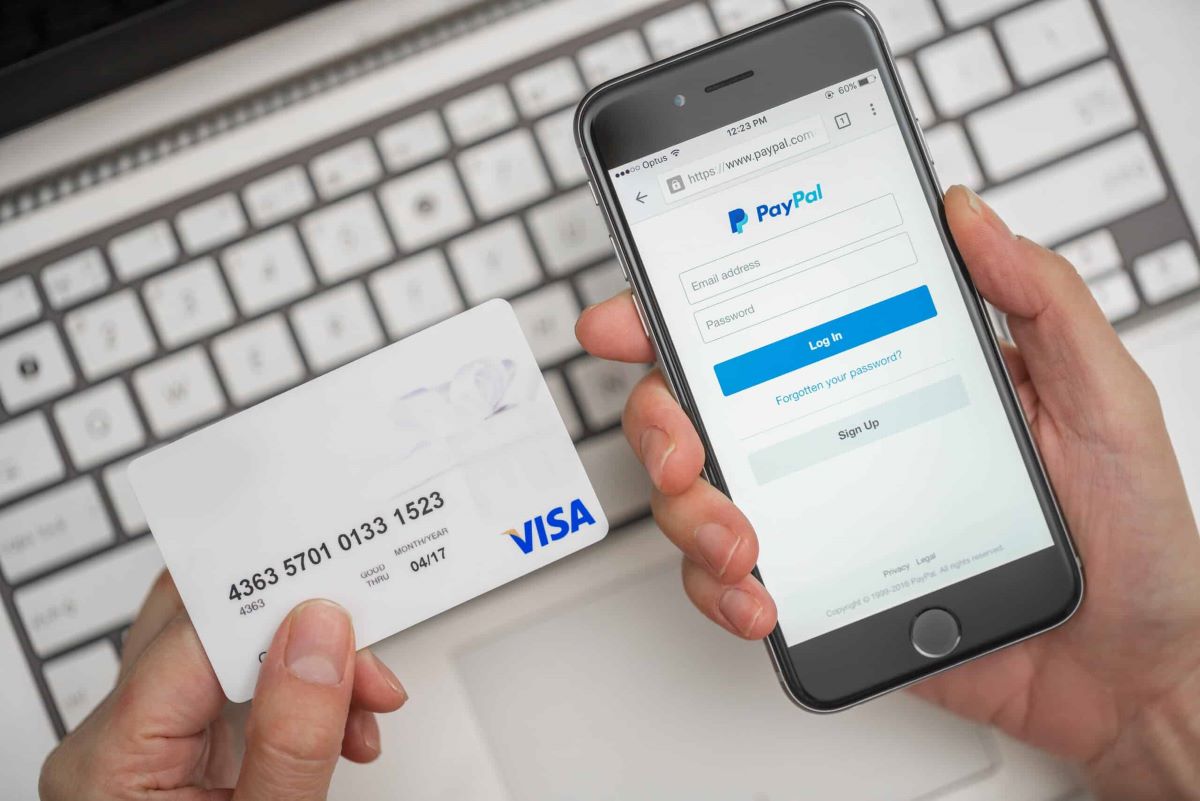
Before you take any action with store merchant credit, the single most important step is identifying whether you are holding store credit & balances or a regulated payment card. A closed-loop store amount lives entirely within one retailer’s ecosystem and is useless anywhere else, and the merchant sets all the rules, including whether the funds ever expire or can be replaced if lost. In contrast, merchant card management follows federal billing-error and credit-reporting requirements because an open-loop merchant card carries a network logo and works broadly as a payment card. The practical rule is simple: if the card is only accepted by one store or brand, the merchant’s own policy controls everything from redemption to expiration, but if it is a network-branded card, normal card and payment protections apply.
Your phone’s wallet can help you spot the difference, though the way you add each type is not the same. For an open-loop card, you can add it in the Wallet app by following the steps for adding a credit or debit card. When you are dealing with a single-retailer gift card in Google Wallet, the documented path starts by opening the Google Wallet app, tapping Gift card, finding and tapping the merchant or gift card name, then scanning the card or entering the info manually. If you cannot add the stored value through either flow, you may be holding a closed-loop store credit that the retailer has not made available for wallet storage, which means you must work directly with that merchant to reclaim any forgotten value.
Manage the money or credit you already have
Before you try to spend, transfer, or recover anything, log into the retailer’s site and confirm exactly what you see in your account. If the amount is listed under store credit & balances, you are dealing with a closed-loop fund that the merchant controls entirely, where there is no federal requirement to replace it if you lose the gift card number and the company’s own expiration rules apply. The fastest way to verify a digital sum is to follow the same check a retailer already provides for refunds; for example, when Apple issues a refund to store credit, the funds can take up to 48 hours to appear, so a total that reads zero right after a return might simply be delayed. For a Google Store credit, the place to check how much you have is store.google.com/account. If instead the card in your hand carries a network logo and you see it in your online banking alongside other payment cards, you have moved into merchant card management, and the rules shift. With a network-branded merchant card, your ability to dispute a charge or recover a lost card follows the same federal protections that apply to any regular credit or debit card, which means you start by calling the number on the back, not the retailer’s customer service desk.
Fix problems and avoid losing value
When a store-credit balance vanishes or a merchant card charge looks wrong, your first move depends entirely on which type you hold. If you are dealing with store credit & balances, the retailer alone decides whether expired funds can be restored or a lost gift card number can be reissued, so you need to contact that merchant's customer service directly and be ready with any proof of purchase you still have, and understanding this distinction is exactly why you would want an article that clarifies store credit & balances before you waste time calling the wrong party. For a network-branded card, merchant card management follows federal billing-error rules, meaning you dispute unauthorized charges through the card issuer, not the store where you shopped, and that is the core reason you would seek out guidance on merchant card management to avoid missing a deadline or filing a claim with the wrong entity. On an iPhone, you can start an Apple Card dispute by opening Wallet, tapping Apple Card, tapping the transaction under Latest Card Transactions, tapping it again, and choosing Report an Issue. If your account is closed while you still have a credit amount, a store-credit fund may simply disappear unless state law requires the merchant to return it, whereas a regulated card issuer must mail you a check for the remaining sum. Before you give up on a forgotten leftover, log into the retailer's site and confirm what you actually see; a refund credited to a digital account can take up to 48 hours to appear, and a zero reading right after a return does not always mean the money is gone.
\nRelated reading: Store & Digital Credit, What Is Store Credit At GameStop, and How To Earn Apple Store Credit.