Home>Finance>Term Life Insurance Vs Whole Life Insurance Vs Universal Life Insurance
Finance
Term Life Insurance Vs Whole Life Insurance Vs Universal Life Insurance
Table of Contents
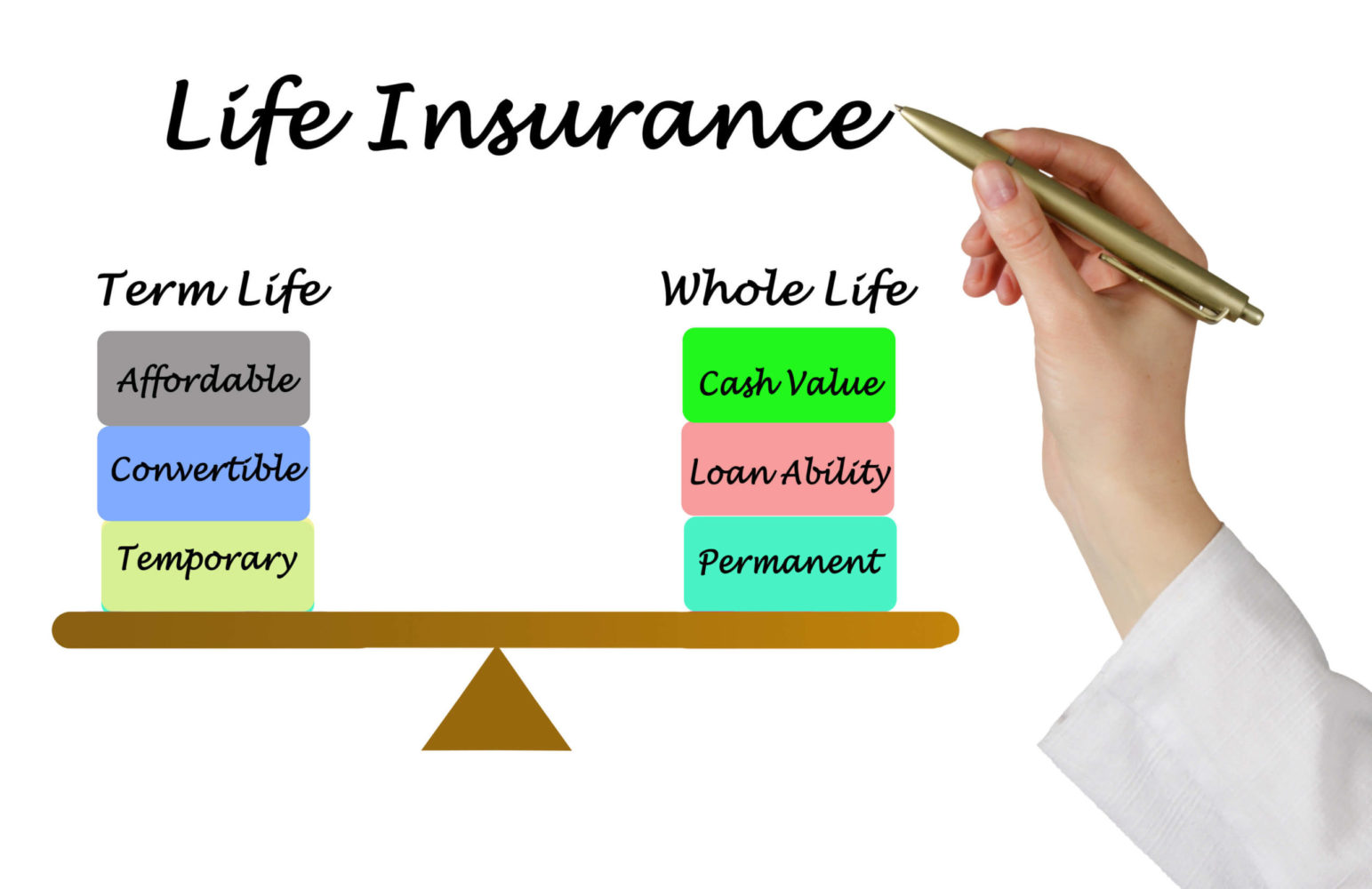
Term life is temporary, cheap coverage that expires; whole life is permanent coverage with a forced savings account; universal life is permanent coverage with flexible payments and interest rates that can backfire if not monitored.
Term vs whole life: the pure protection play
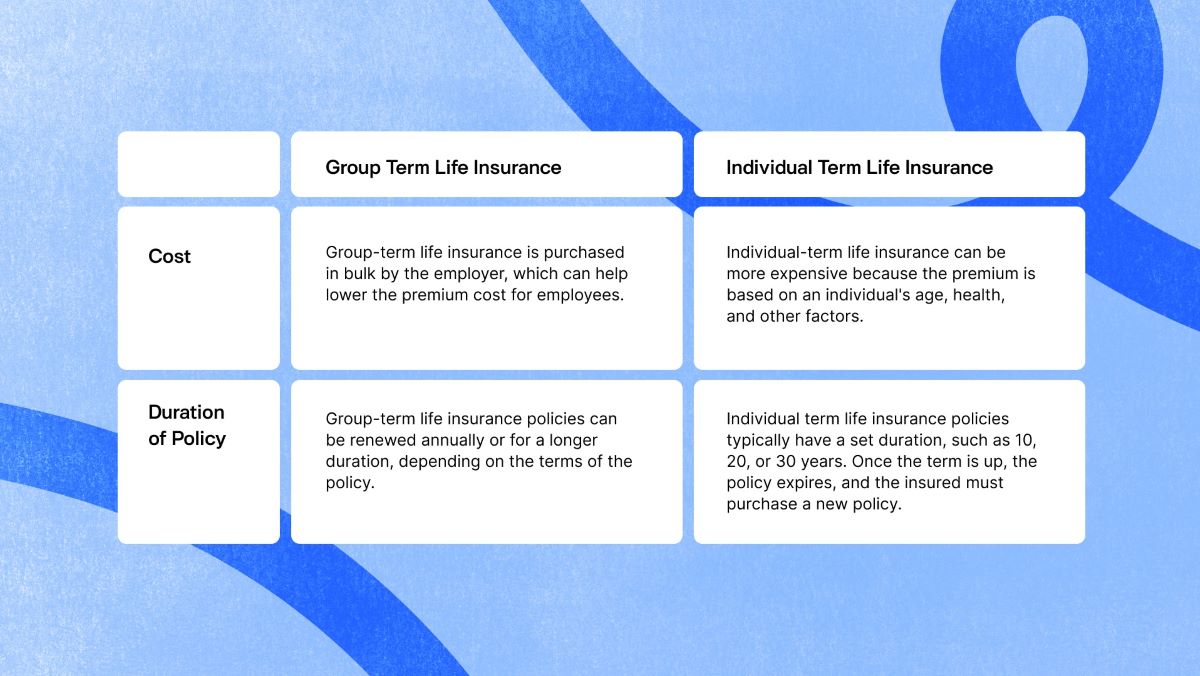
Term life insurance is the simplest contract in the entire industry. You pay a fixed rate for a set period, typically 10, 20, or 30 years. If you die during that window, your beneficiary gets the payout. If you outlive the policy, the coverage ends and you get nothing back. That sounds harsh, but it is exactly why the cost is so low. A healthy 35-year-old might pay $30 to $50 per month for a $500,000, 20-year term policy, according to current rate sheets from major carriers like Banner Life and Protective. The same face amount in whole life would cost $300 or more per month, based on quotes from mutual insurers like Northwestern Mutual and MassMutual. That price gap exists because term is pure protection. There is no cash value, no investment account, no savings component to fund. For current pricing on your age and health profile, check the official rate tables published by your state's insurance department or request an illustration directly from the insurer.
For the vast majority of first-time buyers, term is the default answer. It solves the actual problem you are trying to solve: replacing your income for the people who depend on it. If you have a mortgage, young kids, or a spouse who would have to re-enter the workforce, a 20- or 30-year term policy covers exactly the years when a sudden death would be financially catastrophic. You can also buy a level-rate policy where the payment stays the same for the entire term. That makes budgeting simple. The trade-off is that you are renting coverage, not owning it. If you develop a health condition and the term ends, your next policy will be much more expensive. You may not qualify at all. That is why the conversation about lifelong insurance always starts with whether you can realistically outlive your need for coverage. That is a very different question from whether you might outlive my term life insurance policy itself.
The forced savings trap: whole life
Whole life takes the term promise, a guaranteed payout, and bolts on a cash value account that grows tax-deferred at a guaranteed rate. Most policies currently credit around 3% to 4%, as published in the dividend scales of mutual carriers like New York Life and Guardian. The pitch is that you are "forced to save" because a portion of your payment goes into that cash value. You can borrow against it or withdraw in retirement. Here is the catch: the cost is often 10 to 20 times the price of term. The first several years of payments go almost entirely to commissions and administrative fees, not to your cash value. The internal rate of return on that cash value is typically closer to 2% to 3% over 20 years. You would have done better in a boring index fund, even after taxes.
The "forced savings" framing is also misleading. It is not your money in the same way a bank account is. If you surrender the policy in the first 10 years, you may get back less than you paid in total. The payout is reduced by any outstanding loans. If you borrow against the cash value and die with the loan unpaid, your beneficiary gets a smaller check. The only people who genuinely gain from the forced savings aspect are those who have no self-control with discretionary income and would otherwise spend the difference. That is a behavioral problem, not an investment strategy. For everyone else, the math rarely works in your favor unless you hold the policy for 30 or more years and your marginal tax rate is high enough to justify the tax-deferred growth.
The flexible policy that can implode: universal life
Universal life (UL) was invented in the 1980s as a response to whole life's rigidity. Instead of a fixed payment, you get a "menu" where you can pay more or less each year. The excess goes into a cash value account that earns a credited interest rate, reset annually based on the insurer's portfolio. The payout is also unbundled into a pure insurance cost (called the cost of insurance, or COI) plus a separate expense charge. This flexibility sounds great on paper, but it creates a hidden time bomb. The COI is not level. It starts low in your 30s and then rises sharply in your 60s and 70s, since you are paying for a payout that the insurer will almost certainly have to make.
Here is the common failure case. You pay the minimum for a decade. The credited interest rate drops from 5% to 3%, which has happened repeatedly in the last 20 years. Your cash value starts shrinking as the COI and expenses exceed the interest credited. You get a notice in the mail saying your policy is "underfunded." You need to write a check for $10,000 or $20,000 within 30 days to keep it from lapsing, based on the shortfall calculated in your annual statement from the carrier. If you let it lapse, you lose the payout entirely. If you have a loan against the cash value, you may owe taxes on the forgiven amount. This is not a rare edge case. It is the default outcome for a large percentage of universal life policies sold in the 1990s and 2000s. That is why the product has a reputation for blowing up in the hands of ordinary families.
When lifelong insurance actually makes sense
Despite the downsides, there are narrow, legitimate use cases for whole or universal life. The first is caring for a lifelong dependent, a child or sibling with a severe disability who will never be self-sufficient. In that situation, you need a guaranteed payout that cannot lapse due to a missed payment. The loss of your income would be catastrophic, and there is no "invest the difference" alternative that can guarantee the money will be there. The second case is estate planning for high-net-worth families who face federal estate taxes above the exemption amount. That threshold is currently $13.61 million per person in 2024, as set by the IRS and adjusted annually for inflation. A lifelong policy held in an irrevocable life insurance trust (ILIT) can provide tax-free liquidity to pay those taxes without forcing the family to sell a business or property. A third, less common case is for business owners using a buy-sell agreement funded by lifelong insurance. The payout creates a ready buyer for the deceased owner's share.
In those situations, the question is not whether you need lifelong insurance. It is which specific policy structure minimizes the risk of the cash value imploding. That usually means paying a high enough amount from day one to keep the policy "guaranteed" to age 100 or 120. You should also avoid the illustrated "vanishing payment" scenarios that were so common in the 1980s. If you are not in one of these narrow camps, the old advice to "buy term and invest the difference" is still sound, provided you actually invest the difference in a low-cost index fund. The real value of lifelong insurance is not the investment return. It is the guarantee, and guarantees are only worth paying for when the alternative is financial ruin for someone you love.
Frequently asked questions
Can I convert my term life policy to lifelong insurance without a medical exam?
Most level-term policies include a conversion rider that lets you switch to a lifelong policy within a specified window, often the first 10 to 15 years of the term, without proving insurability. The new rate will be based on your current age, so it will be higher. You will not be penalized for a health condition that developed after you bought the term policy. Check your policy documents for the conversion deadline. Missing it means you will have to reapply and potentially be denied.
What happens to the cash value in a whole life policy if I stop paying?
You have three options. You can surrender the policy for the current cash value, minus any surrender fees. You can take a reduced paid-up policy that keeps the payout but stops requiring payments. Or you can use the cash value to pay the costs for a period of time. The least attractive option is to let the policy lapse. You lose the payout and may owe income tax on any cash value that exceeds what you paid in. If you are considering stopping, call the insurer and ask for an in-force illustration to see exactly how long the cash value will last.
Is universal life ever a better choice than a 30-year term policy?
Universal life can make sense if you have a lifelong need for coverage, like a special-needs dependent, and you want the flexibility to adjust your payment in lean years. But for a healthy person with a temporary need like a mortgage or child-rearing, a 30-year term policy gives you a much larger payout for the same monthly cost. You can invest the difference yourself. If you are drawn to UL because of the "cash value" feature, run the numbers on a term policy plus a separate taxable brokerage account first. You will likely come out ahead after 20 years. This is the core distinction that most comparison pages miss: term insurance is a rental that expires when the need expires, while lifelong insurance is an asset with ongoing costs that must be actively managed or it will consume itself. For a fuller picture of how these choices fit together, revisit the life insurance basics in our guide, Life Insurance Basics: What to Know and How to Handle It.