Home>Finance>What Is A Good Credit Score For A Mortgage Or Auto Loan
Finance
What Is A Good Credit Score For A Mortgage Or Auto Loan
Table of Contents
For a conventional mortgage, aim for a 620 FICO score; for an auto loan, the average approved borrower has a 714, but you can get approved with scores in the 500s if you accept a much higher interest rate. A “good” score isn’t just about approval - it’s the threshold where you stop paying steep subprime penalties.
The good credit score cutoff vs. the approval floor
Every lender publishes a minimum FICO score, but that floor is a trap if you treat it as a goal. For a conventional mortgage, the absolute bottom is 620; for an FHA loan, you can go as low as 580 with a 3.5% down payment, though you’ll pay mortgage insurance for life. On the auto side, subprime lenders will approve a 500-550 score, but they’ll charge 12%, 18% APR on a used car, turning a loan amount set by the finance manager into a total obligation that can double over 72 months.
The good rate cutoff is where the math flips. For mortgages, a 740+ FICO gets you the best annual percentage rate (APR) and eliminates the need to pay discount points to buy down your rate. For auto loans, that cutoff is 720-740, depending on the lender and whether the car is new or used. At 700, you might get a 6% auto rate; at 650, that same loan jumps to 9%, 11%. The difference between a 620 approval and a 720 approval on a mortgage amount set by the underwriter is roughly a monthly interest premium that, over a 30-year term, can total a six-figure sum. That’s the real cost of “good enough.”
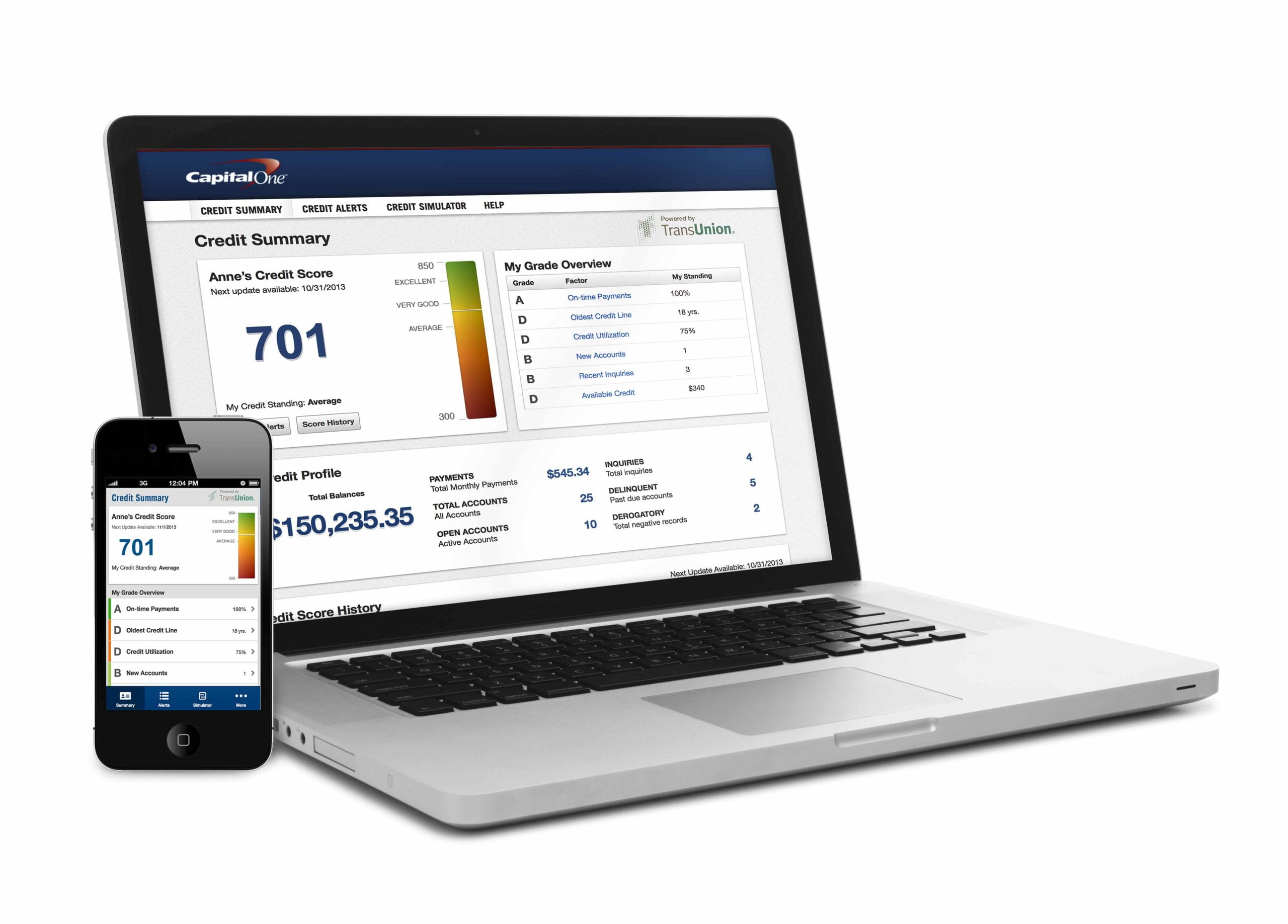
Your free score is almost always a VantageScore 3.0, which can diverge from the FICO models mortgage and auto lenders actually use by 20 to 50 points, and the gap widens if you have a thin credit file or a recent collection account.
Why your free score is probably misleading you
You checked your credit score on your bank’s app, saw a 712, and felt confident. Then the mortgage lender pulled your FICO 5, 4, and 2 scores, and one of them came back at 668. This is the standard failure case: the free score you see is almost always a VantageScore 3.0, which weighs credit utilization and open accounts differently than the FICO 8, 9, and bankcard models that mortgage and auto lenders actually use. The two scoring systems can diverge by 20 to 50 points, and the gap widens if you have a thin credit file or a recent collection account.
Mortgage lenders use an older FICO 5 (Experian), FICO 2 (Equifax), and FICO 4 (TransUnion) because those models were designed before the 2008 housing crash and are more conservative about installment debt. Auto lenders use FICO Auto Score 8 or 9, which places more weight on your repayment track record with car loans. The practical takeaway: your free score is a rough barometer, not a lender-grade number. To get a true picture, you need to check your FICO 8 or 9 directly from myFICO.com, or use the score that your credit card issuer provides, but only if it specifically says “FICO Score 8.” If it says “VantageScore,” assume it’s 20-40 points too high.
When you pull your actual credit reports & scores, you’ll see that the data feeding those models is the same, what changes is the math. The best way to avoid the shock is to understand what a credit score and how is it calculated, which comes down to payment history (35%), amounts owed (30%), length of history (15%), new credit (10%), and credit mix (10%). Your free score might be using the same five categories, but the weighting for auto and mortgage scores shifts toward installment loans and away from revolving credit. That’s why you can have a 720 VantageScore but a 670 FICO 5, your credit card utilization is low, but you have a 3-year-old late remittance on a student loan that the mortgage model double-weights.
To avoid the trap, don’t rely on a single number. Instead, check your credit report for free without hurting my score, you can pull your full reports from AnnualCreditReport.com weekly, and then pay the fee myFICO.com charges for your FICO 8 and FICO 5 scores. That’s a small price to avoid a 0.5% mortgage rate increase, which costs you an annual sum set by your lender on a given loan balance. Also, remember that credit bureaus collect information for my report from your lenders, but they don’t all report to all three bureaus. Your auto lender might report to Experian only, while your mortgage lender reports to all three, so your scores can vary by 30 points across bureaus. Always ask the lender which bureau they pull, and check that specific report before you apply.
When the answer is no regardless of score
A high score won’t save you if your debt-to-income (DTI) ratio is over 43% for a mortgage. The Consumer Financial Protection Bureau’s qualified mortgage rule caps DTI at 43%, and most conventional lenders won’t go above 36% without compensating factors like a 20% down payment. If your gross monthly income is a figure set by your employer and your total monthly debts (car, student loans, minimum credit card settlements, child support) exceed the lender’s DTI ceiling, you’ll be denied even with an 820 FICO.
For auto loans, a recent repossession (within the last 12 months) is an automatic denial at nearly every lender, regardless of score. Similarly, a mortgage underwriter will reject you if you have a tax lien, a foreclosure in the last 7 years, or a bankruptcy discharged less than 2 years ago (4 years for FHA). Another silent killer: undisclosed debt. If you have a personal loan that you didn’t list on your application and the lender finds it in your credit report, the loan is denied for fraud concerns, even if your score is 800. The score is only one page of the underwriting file; the other pages are your income, employment history, and assets.
Frequently Asked Questions
Will checking my score multiple times hurt my mortgage application?
No, if you do it within a 45-day window. Mortgage and auto lenders count multiple credit pulls for the same type of loan as a single inquiry, provided they occur within 14-45 days (FICO) or 14 days (VantageScore). You can shop rates freely without penalty during that window.
What is the minimum down payment for a 620 FICO mortgage?
For a conventional loan, you’ll need at least 3% down, but expect to pay private mortgage insurance (PMI) for the life of the loan. For FHA, 3.5% down is the minimum with a 580 score, but the upfront mortgage insurance premium is 1.75% of the loan amount.
How long does a late payment stay on my credit report?
A late remittance stays on your report for 7 years from the original delinquency date. However, its impact fades after 2-3 years, and you can rebuild your score faster by keeping your credit utilization under 30% and making all future settlements on time.
Can I get a car loan with no credit history at all?
Yes, but only with a co-signer or a large down payment (20%+). A lender will see a “thin file” (fewer than 3 trade lines) and treat you as high-risk, offering you a subprime rate that the finance manager sets for the term. You can build credit faster by becoming an authorized user on a family member’s card with a low balance, and for a deeper dive into managing your financial profile, see the broader topic of Credit Reports & Scores: What to Know and How to Handle It, which covers how to read and improve your credit reports & scores.