Home>Finance>What Is Whole Life Insurance And When Is It Worth The Cost
Finance
What Is Whole Life Insurance And When Is It Worth The Cost
Table of Contents
Whole life insurance is a permanent policy with a cash value component that grows tax-deferred, but it is only worth the cost if you have already maxed out your retirement accounts and need a forced savings vehicle for estate planning. For most people in their 30s and 40s, the high premiums are a poor trade for the flexibility you would get from buying term insurance and investing the difference yourself. If you are skeptical about the pitch, your instinct is probably right, but there are narrow cases where the cost makes sense.
The only time whole life is worth the cost is when you have already maxed out every tax-advantaged account you own, you have a concrete estate planning need, and you understand that the policy is a tool for transferring wealth, not building it.
How whole life insurance actually works
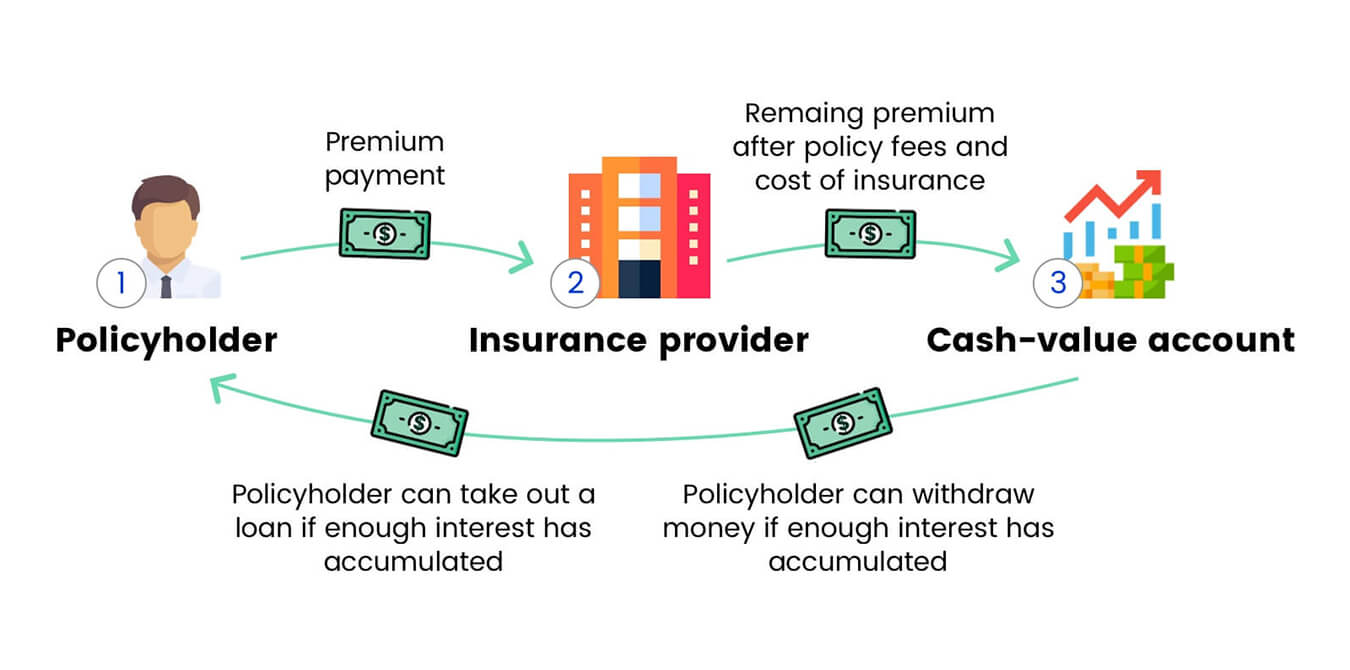
When you pay a whole life premium, it gets split into two buckets. The first bucket covers the insurance cost, the payout your beneficiary receives when you die, which stays level for your entire life as long as you keep paying. The second bucket goes into a cash value account, which the insurer invests conservatively, usually in bonds or mortgages. That cash value grows on a tax-deferred basis, meaning you pay no income tax on the gains until you withdraw them, and the payout itself is generally income-tax-free to your beneficiaries.
The mechanics are straightforward, but the pricing is not. In the early years, a large portion of your premium goes toward commissions and administrative fees, not cash value. It typically takes 10 to 15 years before your cumulative premiums are even partially reflected in the cash surrender value. After that, the policy pays a modest dividend, if it is a mutual company, or a fixed crediting rate, but the return rarely beats a simple index fund. You are also locked in, borrowing against the cash value reduces the payout dollar-for-dollar if you do not repay the loan, and surrendering the policy in the first two decades often triggers a surrender charge that eats your principal.
The math that makes it a bad deal for most people
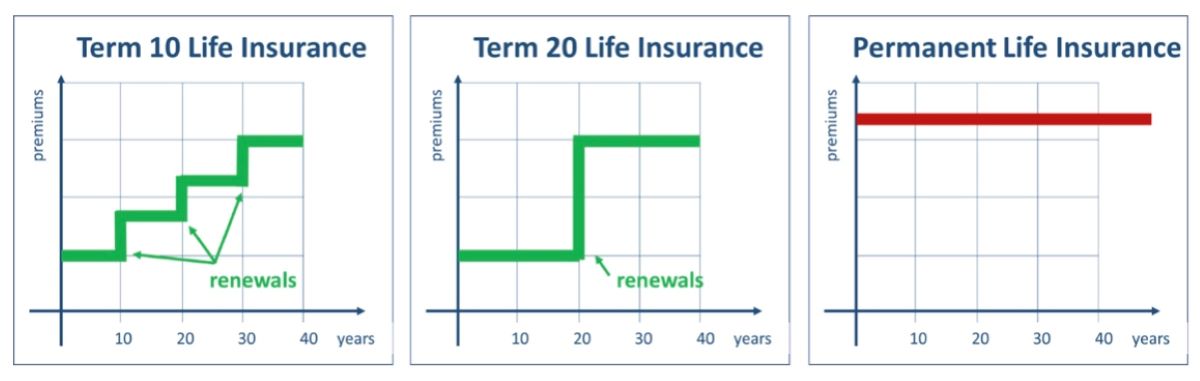
Run the numbers for a healthy 35-year-old male. Get a quote for a 20-year term policy with a $500,000 payout from a broker who shops multiple carriers, because each insurer sets its own price band and rates change weekly. A whole life policy with the same payout might cost $6,000 per year, but you must check the illustration from the specific mutual company issuing it, since their dividend scales and guaranteed crediting bands are proprietary. The difference is $5,600 annually, a figure that shifts with your age, health class, and the carrier’s current pricing manual. Invest that $5,600 in a low-cost S&P 500 index fund averaging 7% after inflation, and after 20 years you would have over $230,000 in cash, tax-deferred in a Roth IRA or taxable account. The whole life policy’s cash value after two decades might be $80,000 to $100,000, and that is before surrender fees. You would need to hold the policy for 30 or 40 years just to break even on an after-tax basis, and even then, the insurer’s fees and the opportunity cost of missing out on stock market growth make it a losing bet for anyone who is not in the top tax bracket.
The failure case gets worse if you have debt or an emergency fund shortfall. Whole life premiums are inflexible, miss a payment and the policy lapses, leaving you with nothing. And if you need the cash value for a down payment or college tuition, you are paying a 0.5% to 2% loan interest rate, plus you are reducing the payout your family relies on. This is exactly why the “buy term and invest the difference” strategy wins for the vast majority of people. Term insurance covers the risk of dying young, and the invested difference compounds in your control, with no surrender charges, no insurer solvency risk, and no requirement to keep paying premiums for decades.
When the cost finally makes sense
Whole life becomes legitimate in three specific scenarios. First, if you have a federal estate tax exposure, in 2025, that means a net worth above roughly $13.6 million for individuals, or $27.2 million for couples, a threshold set by Congress and adjusted annually by the IRS. Visit the official IRS.gov estate tax page for the current exemption amount before you act. The payout from a whole life policy is paid to a trust, keeping it out of your taxable estate, and the cash value grows tax-deferred. Second, if you have a lifelong dependent, a child with special needs who will never be self-sufficient, or a spouse who does not have the skills to manage a lump sum, whole life provides a guaranteed, inflation-adjusted income stream that a term policy cannot match because term runs out. Third, if you have already maxed out your 401(k), IRA, and HSA, and you are looking for a conservative, tax-diversified bucket that is not correlated with the stock market. In that rare position, the 2% to 4% tax-deferred return on cash value, combined with the payout’s tax-free advantage, can be a reasonable fixed-income allocation.
But note what is missing: whole life is not an investment. It is an insurance product with a savings component. If you are in your 30s or 40s and someone pitches it as a way to build wealth, they are selling you a commission.
Frequently asked questions
Can I borrow against my whole life policy without losing coverage?
Yes, you can borrow against the cash value, but the loan accrues interest, and if you die with an outstanding balance, the payout is reduced by the loan amount plus interest. If the loan plus interest exceeds the cash value, the policy lapses and you owe income tax on the borrowed amount.
What happens to the cash value if I cancel the policy?
You receive the cash surrender value, which is the accumulated cash value minus any surrender charges and unpaid loans. In the first 10 to 15 years, surrender charges often wipe out most of the cash value, so you get back far less than you paid in premiums.
Is whole life insurance better than buying term and investing the difference?
No, for the vast majority of people. The math shows that term life plus a low-cost index fund beats whole life on returns, liquidity, and flexibility. Whole life only wins if you have a permanent insurance need, a high net worth, or a tax problem that term insurance cannot solve.
How does whole life compare to universal life insurance?
Whole life has fixed premiums and a guaranteed payout, while universal life has flexible premiums and an adjustable payout. Universal life also has a cash value component, but it is tied to interest rates or index performance, which means more risk and more potential upside. Whole life is simpler and more predictable, but universal life can be cheaper if you do not need the guarantees.
What to do right now
Before you speak to an agent, read the free guide on life insurance basics from your state’s insurance commissioner website so you recognize a sales script. Book a medical exam through an independent broker who quotes at least six carriers, because the carrier’s underwriting band is what sets your actual rate. Arrive at the exam fasting for 12 hours and schedule it first thing in the morning to avoid elevated blood pressure or glucose readings that inflate your premium band. Skip any policy illustration that bundles a paid-up additions rider unless you are in the top tax bracket and have already maxed out every retirement account. If you are under 50 and still asking life insurance and who actually needs it, lock in a level term policy first and revisit permanent coverage only when your net worth crosses the federal estate tax threshold. Use the calculator on your state insurance department’s site to answer life insurance coverage do I need, because the number changes with your mortgage balance, dependent years remaining, and income replacement need. If you already own a whole life policy and worry you might outlive my term life insurance policy, request an in-force illustration from the carrier to see the guaranteed surrender value before you make any decision. Open the official rate guide published by your state’s department of insurance, compare the guaranteed cash value column to the total premiums paid column at year 20, and walk away if the gap is not at least dollar-for-dollar.