Home>Finance>Where To Find The Return Policy Details That Actually Matter Before You Buy
Finance
Where To Find The Return Policy Details That Actually Matter Before You Buy
Table of Contents
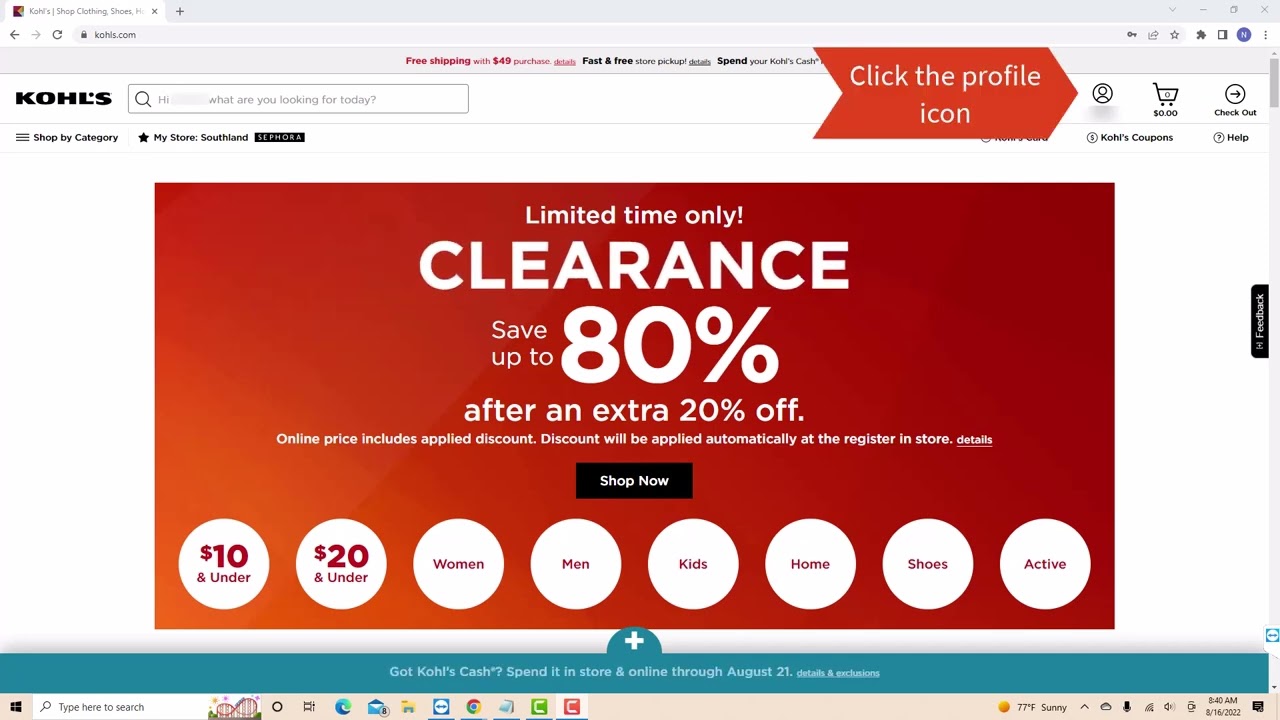
Ignore the summary badge on the product page and scroll directly to the legal text in the footer or checkout cart to find the 'Return & Refund Policy' link, then search for the specific words 'non-returnable,' 'final sale,' or 'restocking fee.'
Skip the return policy details on the product page
The banner that shouts "free 30-day returns" next to the Add to Cart button is a simplification engineered to close the sale, not to disclose terms. It usually refers to a single category, say, unopened electronics. Meanwhile, the fine print for that same category quietly excludes opened beauty items, clearance goods, or anything with a battery. You can spot the gap by checking the badge's own asterisk, which typically points to a tiny footnote that says "exclusions apply" without listing them. That footnote is your cue to stop reading the badge and start hunting for the actual policy document. A binding policy will name specific product lines, condition requirements, and the exact window in days. The badge rarely mentions that the clock starts the day the carrier marks the package delivered, not the day you receive it. If the badge says "free" but the policy says "customer pays return shipping," the badge loses. The policy always wins in a chargeback dispute, so treat the badge as a teaser, not a term.
That single habit will save you from every surprise deduction and dead-end dispute. The badge is a marketing handshake; the footer is the contract, and the difference between them is where your money disappears.
The checkout cart is a truth-teller
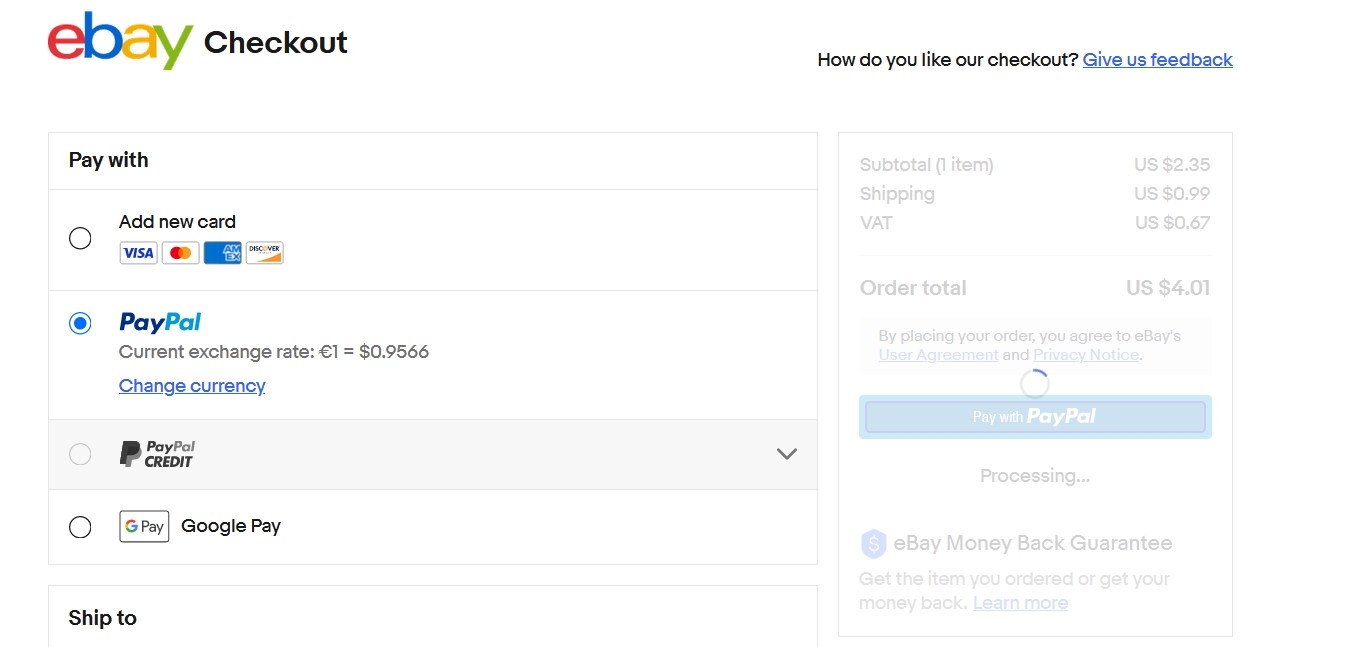
Before you click the final payment button, the checkout cart or order review page often exposes the real return deadline and your liability for return shipping costs. Look for the collapsible section labeled "shipping & returns" or "order details." Many carts default to showing only the total. A small link near the subtotal opens a panel that recites the exact cutoff date, the restocking fee percentage, and whether the merchant deducts the original outbound shipping from your refund. That screen is where you verify the policy you found in the footer actually matches what the cart claims. A deceptive seller will craft a generous footer policy but program the cart to show a stricter version at the moment of payment. Read the cart's fine print even if you already read the footer, because the cart is the last chance to cancel before funds leave. If the cart shows a "final sale" notice next to an item you thought was returnable, that is the system telling you the truth in real time.
When the policy is missing or too vague
If you reach the checkout screen and there is no return policy link at all, or the only text says "contact us for returns", you are looking at a dropshipper or a third-party marketplace seller with no return infrastructure. A legitimate merchant always has a physical address and a phone number in the footer. Consumer protection laws in most jurisdictions require a verifiable location for dispute resolution. The absence of that address, combined with a policy that uses phrases like "we will review each case" or "subject to approval," means you have no enforceable protection. The seller can simply ignore your request and your credit card company will have nothing concrete to review. Another red flag is a policy that mentions "restocking fee" without a percentage. That vagueness lets the seller invent a 50% deduction after the fact. When you see "non-returnable" listed for a category you thought was covered, and the only way to get an exception is an email form that bounces, that is the loudest warning to abandon the cart. A real policy names the exact condition for a refund, the party responsible for return shipping, and the timeframe for the refund to appear on your statement. Those exact conditions are unopened, tags attached, within 14 days. If those three elements are missing, you are not buying a product; you are buying a gamble.
Frequently asked questions
What if the return policy is in a language I don't understand?
Use your browser's built-in translate feature on the footer link, but be wary of auto-translated terms like "restocking fee" that may lose nuance. Cross-check the translated deadline against the cart's own countdown timer, which is usually numeric and language-agnostic.
Can I rely on a screenshot of the policy page to win a dispute?
Yes, but only if the screenshot includes the URL and the date stamp. Credit card disputes require evidence that the policy was in effect at the time of purchase. A timestamped screenshot from the same session as the checkout is your strongest proof.
What is the difference between a restocking fee and return shipping cost?
A restocking fee is a flat percentage deducted from your refund to cover the merchant's handling. Return shipping cost is the amount you pay to send the item back. The restocking fee is often 10-20%. Both are legal if disclosed, but a policy that mentions one without the other is hiding a cost. For more context on whether the math ever works out, it helps to think about the total cost of the item before you decide it might make sense to buy the extended warranty, which only adds to the sunk cost if the return fails.
How do I check the policy for a marketplace item versus a fulfilled-by-Amazon item?
Marketplace items list the seller's name on the product page, and that seller's policy is separate from the platform's. Click the seller's name to read their individual return terms. Note that "fulfilled by Amazon" means the platform handles shipping but not the seller's refund policy, and your spending & shopping habits should adjust accordingly.
\nRelated reading: How To Use Forever 21 Store Credit Online.