Home>Money Basics>Budgeting

Money Basics
Budgeting
Table of Contents
Start with your emergency fund safety net
Emergency fund budgeting succeeds when you treat the contribution like a non-negotiable bill, because most budgets collapse the moment an unplanned car repair or medical bill lands and every dollar was already assigned to a fixed category. A practical way to understand the importance of emergency funds and how to build yours is to pick a flat amount and a recurring date, then set up an automatic transfer from your regular account to your savings account so the money moves before you can spend it. If you are navigating this for the first time, what you need to know about navigating emergency funds is that the account should be easy to access but not so convenient that you raid it for non-urgent wants, and you should regularly ask whether a situation is really an emergency before making a withdrawal. This separation matters even more when you are living paycheck to paycheck, a situation defined by necessity spending that is more than 95% of household income on items like housing, groceries, gasoline, and utilities, leaving almost no margin for error. Starting with a tiny automatic deposit still creates a financial off-ramp that prevents one bad month from turning into a long-term debt spiral.
Choose a framework that fits your reality
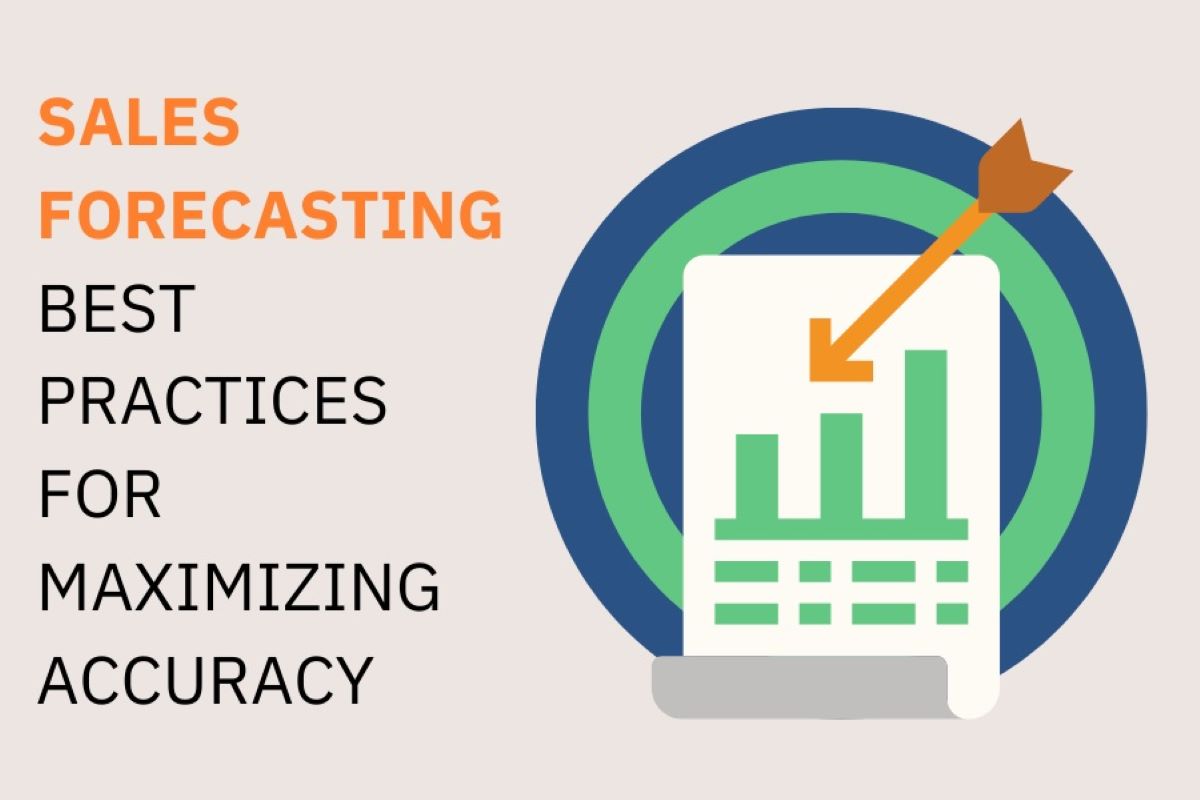
If your paycheck fluctuates, you have already learned that the static budget definition, limitations, vs. a flexible budget debate is not academic but the difference between a plan you use and one you abandon by the 10th. A rigid budget assumes every dollar is known in advance, and a slow sales month breaks every category at once. Building a flexible version starts with recognizing that the sales forecast is the cornerstone for budgeting. why that matters becomes obvious when you tie your spending to a percentage of what you actually deposit instead of what you hoped you would earn. For predictable earners, the 50/20/30 rule - how to make budgeting easy as pie gives you a memorable split for essentials, financial priorities, and lifestyle spending, all shaped by your net income. Yet any framework only sticks when it reflects what you genuinely care about, which is how a personal budget relates to and takes into account your personal financial goals. Instead of imposing numbers from the top down, start with the one near-term priority that would make the rest of your money stress feel manageable and assign dollars backward from that commitment. In households where multiple adults share the same pool of money, participative budgeting keeps one person from dictating every line while the other silently resents the coffee restriction. That conversation does not need to be formal, but it does need to happen before the spreadsheet gets locked, because a budget built alone is often a budget abandoned together.
Move the money where it needs to go
Once your buffer is in place and your spending guardrails are set, execution becomes a matter of deliberate routing rather than constant willpower. The goal is to put dollars where they actually work before they drift into impulse purchases. You may occasionally need to move money from credit builder to spending account chime to cover an immediate debit or cash need, and knowing the quickest method for that transfer can save you from overdraft headaches. The app makes that possible in a few taps through the Move Money option. This lets you shift funds from the card back to your main spending balance when your priorities shift. Beyond any single transaction, the wider habit to build is treating every deposit as a series of intentional assignments. Cover the non-negotiable bills first. Then fund the specific goal you identified as your near-term priority. Only then let the remainder flow into flexible day-to-day categories. When income arrives unevenly, route a fixed percentage to each destination rather than a fixed dollar amount. A lighter check does not force you to manually rework every line. The point is not to track every cent in retrospect. The point is to direct the money where it needs to go before the week’s small decisions can chip it away.