Home>Finance>What Is FID BKG SVC LLC Charge On My Bank Statement
Finance
What Is FID BKG SVC LLC Charge On My Bank Statement
Table of Contents
A FID BKG SVC LLC charge on your bank statement is typically a transfer into a Fidelity investment, retirement, or cash management account you own. If you don’t have a Fidelity account, the charge is likely fraudulent. Contact your bank immediately.
What the FID BKG SVC LLC merchant name means
The acronym FID BKG SVC LLC breaks down as Fidelity Banking Service LLC. This registered entity is used by Fidelity Investments to process electronic fund transfers between external bank accounts and Fidelity brokerage, IRA, or cash management accounts. When you see this descriptor on a statement, it indicates a transaction routed through Fidelity’s internal banking service rather than a point-of-sale purchase. The name is deliberately condensed to fit the limited character field on bank statements. That is why it appears as an abbreviation instead of the full company name. This charge is not a merchant charge for goods or services. It represents a movement of money into a Fidelity account you control.
Why the charge appears even when you didn’t buy anything
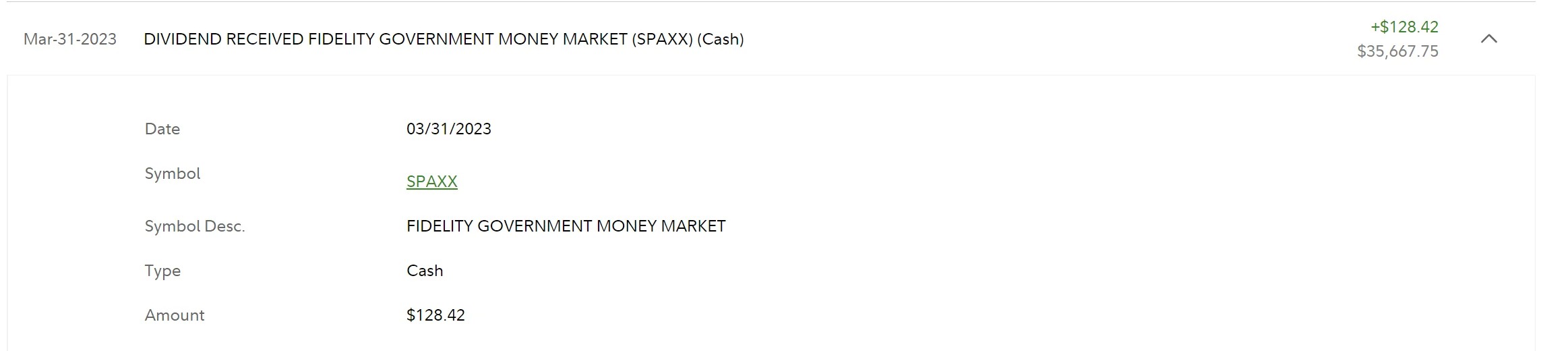
This charge appears even when you didn’t buy anything because Fidelity labels incoming deposits and transfers with this merchant name instead of a typical purchase descriptor. You may have initiated a transfer from your checking account into a Fidelity brokerage account, a 401(k) rollover, or a Fidelity cash management account. The bank statement will show FID BKG SVC LLC as the source of the debit. The transaction might also appear if you authorized a recurring pull from your bank to fund a Fidelity automatic investment plan or a health savings account. Because it is a transfer rather than a purchase, you will not find a receipt in your email. You would only have a receipt if you manually saved the confirmation from Fidelity’s website or app. To verify, log into your Fidelity profile and check the “Activity” or “History” tab for a matching deposit amount and date. If you see one, the charge is legitimate and your money has moved into your Fidelity holdings.
When you don’t recognize the account
If you have searched your email for a receipt, checked your Fidelity login, and still see no matching record, the charge may be tied to an old employer 401(k) or pension plan you forgot about. Log into Fidelity’s forgotten account lookup tool using your Social Security number to find orphaned retirement plans. If no profile appears, treat the charge as unauthorized. Call your bank’s fraud department immediately and report the transaction as suspicious. While you wait for a replacement card, you can also read about unknown card charges for a full overview of how to dispute unfamiliar debits. For comparison, a similar confusion arises with csc servicework on my credit card statement, which often indicates a recurring service fee rather than a transfer. Another common pattern is Amazon digital charge on my credit card, which typically reflects a one-time digital purchase you authorized. In all cases, your bank will open a dispute and issue a provisional credit while investigating if you cannot confirm the charge belongs to you. Do not ignore the charge even if the amount is small. Fraudsters often test cards with small FID BKG SVC LLC transfers before attempting larger withdrawals.
Unlike a typical merchant purchase, this descriptor signals an internal transfer of your own funds into an investment or retirement vehicle, not a payment for goods or services. For a deeper understanding of how to identify and respond to such entries, please refer to the broader topic of Unknown Card Charges: What to Know and How to Handle It, which covers the essential steps for addressing unknown card charges.