Home>Retirement>Pension Basics & Providers

Retirement
Pension Basics & Providers
Table of Contents
Pension basics and fundamentals
To grasp pension basics, you first need to understand the difference between defined benefit plans and defined contribution plans, which dictates who bears the investment risk. A traditional pension is a defined benefit plan where your employer funds the promise of a set monthly check, typically determined by a formula using your salary and tenure. By contrast, a 401(k) is a defined contribution plan where your final balance depends entirely on how much was paid in and how those investments performed. Many people also misunderstand the difference between pension and annuity once they leave a job; a pension is an employer-provided arrangement, while an annuity is an insurance contract you buy with your own savings to create a private income stream, so the key distinction is who is making the guarantee. When you start planning, knowing how pension is calculated will help you verify your statement is correct. Formulas vary widely, and one government-sector method multiplies your average contribution salary from the last few years by an employment-service percentage, often capping the salary base used in the math.
Finding who still offers a pension
If you are trying to figure out which companies still offer pensions, start with the employer rather than a provider portal. Traditional pensions are now concentrated in government, military, and unionized workforces. You will also find them in pockets of education, utilities, transportation, insurance, and pharmaceutical roles. Asking what companies offer pension plans will rarely give you a clean list of private employers. Coverage has shifted so heavily toward 401(k)-style accounts outside those sectors.
It often helps to think in terms of which jobs offer pensions instead of looking for a brand name. Federal, state, and local government positions, military service, and teaching still commonly include a defined benefit plan. Many unionized trades also provide this type of lifelong payout. Most private-sector office jobs do not. If you are evaluating a job offer or a past employer, checking what jobs have pension coverage means looking at the industry. You should also check whether the role was unionized or public-sector, not just the company’s size.
One distinction worth keeping straight is that a qualified pension plan is a specific IRS category. This category can include defined benefit plans, profit-sharing plans, money purchase pension plans, and 401(k)s. That means the word “qualified” does not guarantee you have a traditional lifetime pension. You still need to confirm which type of plan is actually on your statement.
Calculating your pension's worth
When you want to calculate value of pension for net worth, the approach depends entirely on which type of plan you hold. For a defined contribution pot, the current balance shown on your provider statement is the most straightforward figure to use. A defined benefit promise is trickier because you own a future income stream rather than an account balance. The transfer value quoted by the scheme is the closest practical number, representing what the plan would pay to release its obligation to you, not a cash balance you can spend today.
The math behind how is federal pension calculated follows a consistent formula where the exact multiplier depends on your retirement system. Under FERS, the equation multiplies your high-3 average salary by your years of creditable service and a percentage factor that is typically 1%, rising to 1.1% if you retire at age 62 with at least 20 years of service. Other federal plans use the same structure but may apply a different factor, so the scheme’s own formula controls the result.
One common worry when weighing a career move is whether changing jobs affect your pension. The short answer is that vested benefits already earned generally stay yours. If you leave a defined benefit employer, the plan revalues your accrued entitlement according to scheme rules rather than wiping it out, though you may lose certain perks available only to active workers. With a defined contribution plan, the money you have already accumulated remains invested and you can typically leave it where it is, roll it into a new employer’s scheme, or transfer it to a personal account depending on the plan’s rules.
Accessing your pension
Before you try to log in anywhere, pause and confirm which type of retirement arrangement you actually have. The steps for a traditional employer-funded plan that pays you for life are completely different from pulling money out of a 401(k)-style balance you manage yourself. If you need to get a pension award letter showing the official calculation of your monthly payment, that document typically comes from your plan administrator once you initiate the process, not from a generic customer-service menu, and knowing how to request it early can save you from delays when you need proof of income for loans or housing. When the time comes to actually start payments, the way I get my pension from a previous employer usually begins by requesting a retirement kit through that former employer’s portal at least 30 days but no more than 90 days before your benefit commencement date, so you can avoid a gap in coverage. For a specific example, when i access my FedEx pension account the official route runs through the retirement hub at digital.alight.com/fedex, with phone support available Monday through Friday, 8 a.m. to 6 p.m. Central time, useful if you need to update beneficiaries or download tax forms. The logic behind your payment amount can get technical, and the question do defined benefit plans use covered compensation to calculate pension points to a common integration with Social Security, so understanding that interplay helps you anticipate your final benefit rather than being surprised by a lower check. For government-linked programs, you can apply sss pension online through the My.SSS portal once you have registered and linked an approved disbursement account, which saves you a trip to a branch and speeds up the review process significantly.
- do defined benefit plans use covered compensation to calculate pension - Why Do Defined Benefit Plans Use Covered Compensation To Calculate Pension
- I get my pension from a previous employer - How Do I Get My Pension From A Previous Employer
- i access my FedEx pension account - How Do I Access My FedEx Pension Account
- get a pension award letter - How To Get A Pension Award Letter
- apply sss pension online - How To Apply SSS Pension Online
Union and industry-specific pensions
Most multiemployer plans operate on a defined benefit model. Understanding how a union pension work starts with recognizing that your employer contributes a negotiated amount for every hour you work. Those contributions fund a lifetime monthly payment rather than an individual investment account you control. Eligibility typically hinges on vesting service and reaching a specific age. The application is not automatic. You must request the paperwork through your local or the fund office.
For electrical workers, how the ibew pension work depends on your membership status and years of continuous good standing. An “A” member can apply for a normal pension at age 65 with at least five years of service immediately before the application. An early option is available at 62 with 20 years of service, reduced by 6 2/3% for each year you are under 65. Applications are submitted online or at the local union hall. The financial secretary forwards the sealed paperwork to the International Secretary-Treasurer.
Healthcare and service workers often encounter a different structure when looking at how 1199 pension work. Eligible participants are covered through one of three benefit funds depending on their specific employer and region. The process requires completing the plan’s written application and returning it to the Fund Office along with the required documents, rather than filing through a generic portal. If you hold a corporate legacy plan like the Liberty Mutual pension plan work, the same principle of contacting the plan administrator directly applies. Contact the plan administrator directly, as the specific path differs from the union hall route common in the trades.
Government and public service pensions
Government and public service pensions are almost always structured as defined-benefit plans, though the eligibility rules and application paths differ sharply depending on your role. A common starting question is what pension do postal workers get, and career USPS employees fall under the Federal Employees Retirement System, which provides a defined-benefit annuity based on age and years of creditable employment while newly hired workers also contribute to Social Security and Medicare alongside the Thrift Savings Plan.
For law enforcement, the calculation behind what is the average nypd pension depends on final average salary and years on the job. More broadly, understanding what is a police pension means recognizing that these plans typically allow earlier departure from the workforce than civilian government roles, reflecting the physical demands of the work, but the way police pension funds work varies significantly by jurisdiction.
If you are asking about a veterans pension, the Department of Veterans Affairs offers a needs-based program specifically for wartime veterans with limited income and net worth. You can apply online, by mail, or in person with help from a trained professional.
For those looking north, what is the old age pension in canada refers to the Old Age Security program. Finally, if you are wondering what is UPS pension.
Pensions and your other benefits
Most retirees never see a pension offset because their career was covered by Social Security. If you worked for a government agency or overseas employer that did not withhold payroll taxes, you may have wondered how will my pension affect my Social Security benefits. The old rule slashed spousal or survivor payments by two-thirds of the monthly non-covered pension, but the Social Security Fairness Act eliminated that reduction for amounts payable after December 2023. Anyone affected should check whether they are now entitled to a higher monthly deposit, while those whose entire work history paid into Social Security will see no change at all since their pension and Social Security simply stack as separate income streams.
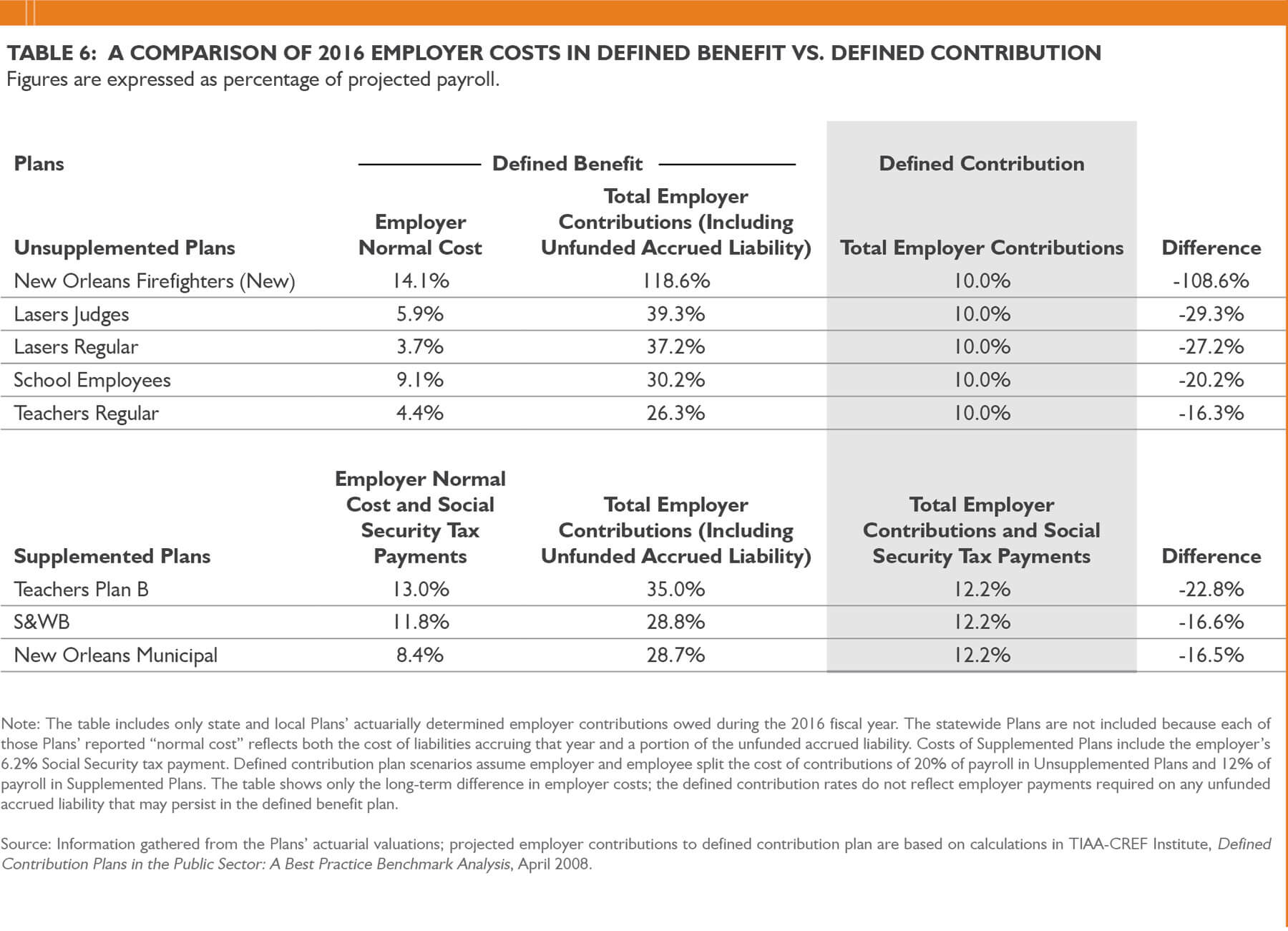
For those with overseas tenure, the question is the retirement pension in philippines and what a qualifying member actually receives. Filing happens online through the My.SSS portal, and the exact monthly amount depends on your contribution history, credited years of employment, and age at claim time, so you will need to log in and review your personal record to see your specific figure rather than relying on a published flat rate. Across all plan types, the broader shift you are seeing is that have employers moved from defined benefit to defined contribution plans, meaning the lifetime-guaranteed income your parents may have received is far less common today and your own later-life stability more often rests on a 401(k) balance you must manage, invest, and draw down yourself.
Employer plan changes and protections
When your company announces a pension change, the first question is usually whether your accrued benefit is at risk. For private-sector plans that promise a specific payout, the safety net is the Pension Benefit Guaranty Corporation (PBGC). This federal insurance agency steps in if a covered plan fails. It pays benefits up to legal limits so you do not walk away empty-handed. That protection does not extend to defined contribution accounts like a 401(k), consistent with the Pension Benefit Guaranty Corporation (PBGC) definition as a federal pension-insurance agency for covered private-sector defined benefit plans. This is one reason employers have shifted toward them. The long-term cost and insurance premiums disappear once the plan type changes. If you are trying to read the financial health of your own plan, you will encounter what financial statements are affected by defined benefit plans: the statements must show net assets available for benefits and the actuarial present value of promised retirement benefits. Under accounting rules, the report must show the net assets available to pay benefits. It must also show the actuarial present value of promised retirement benefits. This gives you a snapshot of whether the math holds up. You may be enrolled in an occupational pension scheme, which is an employer-sponsored arrangement that can be structured as a traditional lifetime pension, a savings-style account, or a mix of both. Knowing which structure you have tells you whether the employer bears the investment risk or you do. That distinction matters more than any portal login when a plan freeze or conversion is announced.
Life changes and your pension
When you switch employers or leave a career mid-stream, the impact on your future income depends almost entirely on which type of plan you hold. A defined contribution account, such as a 401(k), is portable by design; the vested balance is yours and can be rolled into an IRA or a new employer’s plan without losing the principal you have built. A traditional pension works differently, because its payout is a promise tied to your final salary and years on the job. An early departure freezes the formula at whatever you had earned on your last day, a calculation that often yields a far smaller monthly check than if you had stayed until the typical retirement age specified in most defined benefit plans. This is one reason have employers moved from defined benefit plans to defined contribution plans: the newer structure shifts the responsibility of carrying a career’s worth of investment growth onto the worker, giving the company predictable costs while making your eventual payout less dependent on staying put for decades. For public-sector roles, people sometimes ask about the average pension for a nurse, but the actual figure varies so widely by state, facility, and tenure that comparing a generic number is less useful than requesting your own plan’s estimate. If you are looking at income later in life and come across the term old age pension, it typically refers to a government safety-net program like Canada’s Old Age Security rather than an employer-sponsored plan, a distinction that keeps you from mixing up a universal public provision with the private pension you earned through work.