Home>Finance>How Long Does It Take To Generate A FICO Score From Scratch
Finance
How Long Does It Take To Generate A FICO Score From Scratch
Table of Contents
It takes exactly six months of credit history reported to the bureaus to generate a FICO score. If you have only had an open account for three or four months, you do not have a FICO score yet and will not see one until that sixth month of data is recorded.
The six-month FICO score timeline
The FICO algorithm has a hard technical requirement that most new credit users never read in the fine print: at least one account must be at least six months old, and that same account must have reported activity to the credit reporting agencies within the last six months. This is not a soft guideline or a "usually works after a few statements" rule. It is the exact threshold the scoring engine uses to decide whether you have enough payment track record to calculate a reliable number. Before that sixth month of data lands on your file, the algorithm simply returns "not scored" because there is nothing to base a prediction on.
Think of it like a teacher needing a full semester of homework grades before issuing a report card. You can show up to class every day, do the reading, and turn in every assignment, but until the final week of the term, there is no official grade. The same logic applies to building credit from scratch: the repositories need six complete months of your behavior, not just a single on-time payment or a high credit limit, to produce a baseline score that lenders trust.
Why you still see nothing after opening a card
Here is the most common failure case: you opened your first card on January 15th, made a small purchase on the 20th, and have been refreshing your credit app every single day since February 1st. Nothing shows up, and you start to wonder if you did something wrong. The problem is not you, it is the difference between your account open date and your credit reporting date. The clock does not start ticking on the day you are approved or even the day your card arrives in the mail. It starts on the day your first statement cuts and your card issuer transmits that data to the national credit databases, which is usually three to six weeks after you open the account.
So if you opened a card on March 1st, your first statement might not hit the reporting firms until April 15th. That means your sixth month of reported activity does not arrive until October 15th, not September 1st. Many people make the mistake of counting from approval day, then get frustrated when they hit the five-month mark and still see nothing. The reporting date is the only date that matters, and you can find it by looking at your monthly statement cycle in your online banking portal. That is the date your issuer actually sends your payment records to Equifax, Experian, and TransUnion.
VantageScore is not a FICO score
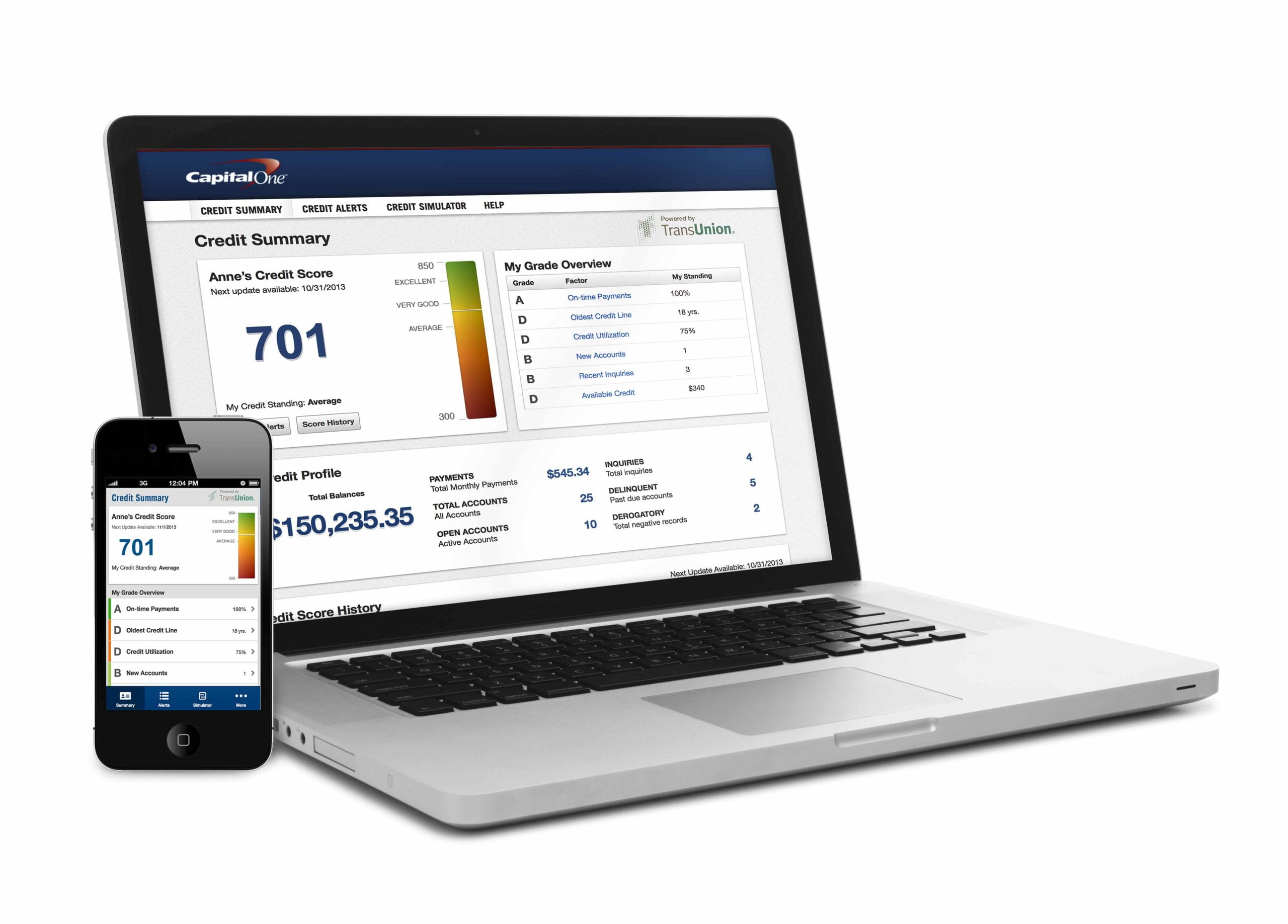
Here is where the confusion really takes off. Your free credit monitoring app, the one you downloaded because it promised to show your score for free, is very likely showing you a VantageScore, not a FICO score. VantageScore has a different algorithm with a much shorter background requirement, and it can generate a score in as little as one month of reported activity. So you might open your app after 45 days, see a number like 684, and think you have beaten the system. Then you apply for a car loan and the lender tells you they cannot see any score at all. That is because most lenders, especially for auto loans and mortgages, pull FICO scores specifically, and FICO will still say "no score" until that six-month mark.
This is not a bug or a conspiracy. VantageScore was designed to be more inclusive and to score people with thinner files, but it is not the score that most lenders use for credit decisions. When you see a number in your banking app, check the fine print to see which model it is using. If it says "VantageScore 3.0" or "educational score," you are looking at a different animal entirely. Understanding this distinction is the key to knowing why your friend might have a score after two months while you are still staring at a blank dashboard. And if you are wondering what a credit score and why do I need one if I have no debt, the answer is that your score is not about your current debt, it is about your record of managing credit responsibly, which is why the six-month rule exists in the first place.
If you want to speed things up, you should check if i already have a credit report without knowing it, because you might be an authorized user on a parent's card or have an old utility bill that was sent to collections. And if you are still looking for your first card, research the easiest first credit card to get approved for with no history, because a secured card that reports to all three institutions will get your six-month clock started just as fast as a premium rewards card. The point is not to game the system, it is to let time do its job while you build a track record of on-time payments.
Frequently asked questions
Can I pay my credit card bill early to make my score appear faster?
No. Paying early does not change the reporting date, which is tied to your statement cycle. Your issuer reports your balance on a specific day each month, and that date is fixed regardless of when you pay.
What happens if my first card never reports to the credit agencies?
This is rare but possible with smaller credit unions or prepaid cards that are not actually credit cards. Ask your issuer which repositories they report to before you rely on that account to build a file.
Will a store credit card or a gas card count toward the six-month rule?
Yes, as long as it is a revolving credit account and the issuer reports to all three major firms. Store cards often have lower limits but they still count as real credit background.
Does my score appear automatically at six months, or do I need to check a specific place?
It appears automatically on your credit file, but you may need to check a free credit monitoring service or your bank's app to see it. The score does not get mailed to you, and not all free apps update on the exact day.
The reporting date is the only date that matters for your six-month countdown, not your approval date or the day your card arrives in the mail.