Home>Finance>Which Credit Cards Have No Foreign Transaction Fees
Finance
Which Credit Cards Have No Foreign Transaction Fees
Table of Contents
Most travel rewards cards, like the Chase Sapphire Preferred and Capital One Venture, have no foreign transaction fees, and all cards from Capital One and Discover waive them entirely. However, many co-branded airline and basic no-annual-fee cards still charge around 3% per swipe abroad.
The issuers with no foreign transaction fee
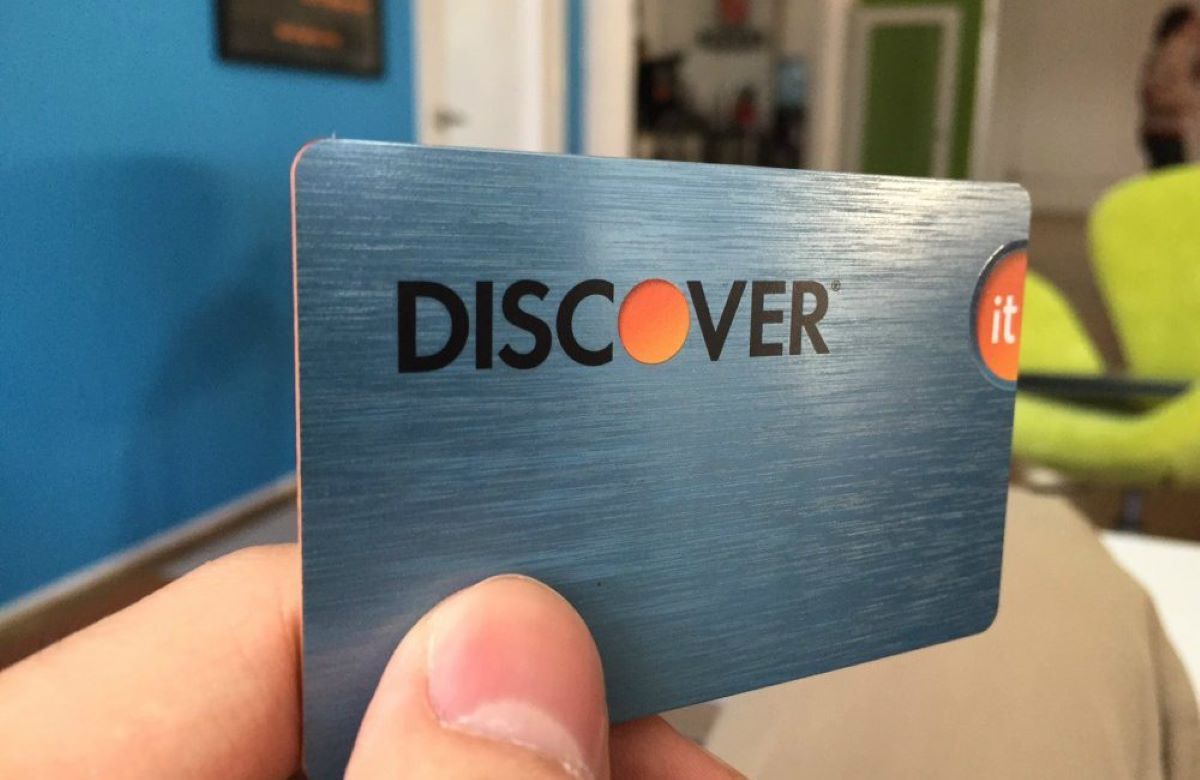
Capital One and Discover are the only two major U.S. issuers that eliminate foreign transaction fees across their entire card lineups, no exceptions, no fine print, no spending thresholds to qualify for the perk. If you hold a Capital One Quicksilver, a Savor, or even the basic Platinum, you can swipe in Tokyo, Berlin, or Buenos Aires and pay exactly the merchant’s price in your local currency converted at the Visa or Mastercard network rate. Discover is slightly less universal because its acceptance abroad is thinner. When you do find a merchant that takes it, the fee waiver applies just the same. For a traveler who wants zero mental math, picking any card from either issuer is the cleanest possible answer. You never have to wonder if the terminal’s “dynamic currency conversion” screen is about to add a hidden 3% onto your bill.
The beauty of this blanket policy is that it also covers the less glamorous cards in their lineups. A secured Capital One card, a student card, or even a store-branded co-branded card issued by these banks still carries the waiver. So if you’re rebuilding credit or just want a backup wallet card, you’re not forced into a premium annual fee just to avoid the surcharge. Compare that to other banks where the fee waiver is a privilege reserved for high-tier products. It’s clear why frequent flyers often keep a no-fee Capital One or Discover card tucked away for international trips even when their primary card is from another issuer.
No other major U.S. issuer makes that promise on every card it offers.
Premium travel cards that waive the fee
Beyond the two no-exceptions issuers, the vast majority of mid-tier and luxury travel cards from Chase, American Express, and Citi remove foreign transaction fees as a core benefit. The Chase Sapphire Preferred, the Amex Platinum, the Amex Gold, and the Citi Premier all charge no foreign transaction fees, which is why they dominate “best travel card” lists. These cards typically carry annual fees set by the issuer. At publication, Chase lists the Sapphire Preferred at $95 and Amex lists the Platinum Card at $695. Check the issuer’s website for the current fee before you apply. That fee buys you more than just the waiver. It buys you transferable points, airport lounge access, and trip delay insurance. For the traveler who spends more than a weekend abroad each year, the math usually works out in favor of the annual fee. A 3% fee on a trip costing roughly $5,000 could add around $150, and you get nothing in return for that money.
What’s often underappreciated is that the waiver extends to the card’s entire ecosystem, including free additional users. If you add an authorized user to your Chase Sapphire Preferred, that person’s card also carries no foreign transaction fee, even though you’re not paying an extra annual fee for them. The same logic applies to the Amex Platinum’s gold and platinum supplemental cards. Just be careful with Amex’s “Optio” or “Blue” no-fee cards. Those are the exception and do charge the fee. Always check the specific product’s terms rather than assuming the logo guarantees the waiver.
When a ‘travel’ card still charges you
Here’s the trap: many co-branded airline and hotel cards still impose a 2-3% foreign transaction fee, despite being plastered with airplane graphics and airport lounge advertisements. The United Explorer card, the Delta SkyMiles Platinum, and the Marriott Bonvoy Boundless all charge the fee on purchases made outside the U.S., even though their entire marketing pitch is about travel. The reason is that these cards prioritize earning miles and free nights over everyday usability. The issuer knows you’ll use them for checked bags and priority boarding, so they bundle the fee into the cost of doing business with you. If you’re a Delta loyalist, a 3% fee on a flight priced around $1,200 by the airline could add roughly $36. You could have avoided that with a no-fee card that earns the same miles via a transfer partner.
This is where the related concepts of fee avoidance and fee recovery come into play. You can avoid foreign transaction fees when traveling abroad by simply carrying a card that doesn’t have them. If you’re stuck with a co-branded card, you can sometimes get foreign transaction fees waived or refunded by calling customer service after the trip. This is a one-time courtesy, not a policy. More reliably, you can pair a co-branded card with a no-fee general travel card for the same airline, earning the same miles while dodging the surcharge. And don’t forget that debit cards are a different beast entirely: do debit cards charge foreign transaction fees? Yes, many do, and they often add a separate ATM withdrawal fee on top. Don’t assume your checking account is safe just because you’re using a “travel” card for purchases.
Frequently Asked Questions
Does the fee apply to refunds or credits on a card with foreign transaction fees?
If you return an item bought abroad, the refund is usually processed in the same currency, and the issuer will reverse the original foreign transaction fee. However, if the exchange rate moved between purchase and refund, you might see a small residual difference, typically under a dollar. Don’t panic if the credit doesn’t exactly match the original charge.
Can I use a foreign transaction fee card and still come out ahead with points?
Yes, if the card earns a high multiplier on travel and you’re earning 3-5 points per dollar, the value of those points can outweigh a 3% fee. That only works if you redeem them for more than 1 cent each. For most casual travelers, the fee eats too much of the value, so a no-fee card is usually the safer bet.
Are there any no-annual-fee cards from Chase or Amex that waive the foreign transaction fee?
Yes, but they’re rare. The Chase Amazon Prime Rewards card and the Amex Blue Cash Everyday both waive the fee and have no annual fee, but they’re not marketed as travel cards. If you want a dedicated travel card with no fee, the Capital One VentureOne is a better fit than anything from Chase or Amex in that category.