Taxes
State-Specific Filing Instructions
Table of Contents
Do you even need to file state tax filing instructions
The real first step is getting reliable state tax filing instructions, because whether a return is expected of you changes sharply by state and entity type. In Florida, for instance, every corporation doing business, earning income, or existing there has to file a florida tax return using Form F-1120 annually, even if no tax is owed. The rules for individuals are entirely different in Tennessee, where you no longer must file a tennessee income tax return based on interest and dividends for any tax year starting on or after January 1, 2021, because the Hall income tax has been fully repealed. It is equally important to recognize the situations where are you not required to file a tax return at all. Once you have sorted out whether you have a filing duty, you can then focus on the correct mailing destination, as routing your package to the general processing address instead of the designated remittance lockbox can add unnecessary weeks to the process.
Getting your records straight
Before you mail anything to a state agency, pull together your federal records first, because state filings often start with numbers you already reported to the IRS. If you need a complete copy of a filed federal return, the IRS says to submit Form 4506, Request for Copy of Tax Return, which produces a photocopy of the filed document. A faster alternative for most verification needs is a transcript; sign in to an IRS Individual Online Account, open the “Tax Records” page, then select “transcripts,” or if the tax year is not available online, the IRS says to submit Form 4506-T. Be aware that a transcript is not a photocopy of the return, so it will show line items and adjustments without reproducing the original form layout.
Having your federal information in hand also helps you address a common roadblock when you wonder, “why can't i e-file my federal tax return?” The IRS documents these reasons a return may not be e-file eligible: the software must support the required forms, the return must fit the IRS electronic-filing rules for that tax year, and it must meet IRS e-file system requirements. When you get a copy of your tax return and review which schedules and credits you claimed, you can often spot the attachment that forced you onto paper, which is exactly the kind of detail a state processing center will look for when matching your mailed documents to their own electronic records.
Preparing your return for mailing
Once your return is printed and signed, the physical envelope demands its own attention. A common point of confusion is how many stamps for a tax return, but the exact number of stamps is not specified by USPS because the weight of multi-page state forms and schedules often pushes a flat mailpiece past the standard one-ounce letter rate. Weigh the complete packet at a post office counter or self-service kiosk before dropping it in a collection box, since insufficient postage can send your filing right back to you, costing days you may not have before the deadline. Write both the destination and return addresses clearly, using the exact address the state tax agency has published for your specific situation, as remittance documents and no-payment filings frequently go to separate processing centers. Even with careful preparation, things can go wrong once the package leaves your hands. If your tracking shows no movement for an unusual period, you may be dealing with a tax return lost in mail scenario. Use your USPS tracking number to confirm delivery status, then monitor the state’s online refund tracker or account portal for a posting update, which is often the earliest signal that your paperwork has surfaced. If weeks pass with no record, you will likely need to prepare a duplicate filing and mark it clearly as a copy to avoid having it flagged as a duplicate submission when the original eventually scans into the system.
Where to mail state returns
Getting the envelope to the right building starts with separating your paperwork by whether a check is tucked inside. Many state tax agencies use different mailing addresses for returns with remittances versus those without. Sending your filing to the wrong one can delay processing even if it eventually reaches the right department. If you are filing from the Southwest, you will want to read the article that answers "do i mail my arizona tax return" so you can pinpoint the correct Phoenix or Tucson address based on whether you owe money or expect a refund.
For a Massachusetts Form 1 or Form 1-NR/PY, a refund or zero-balance filing goes to the DOR’s Boston PO Box 7000. The same form with a check heads to PO Box 7003. If you use FedEx or DHL instead of USPS, both remittance and non-remittance filings share a single Chelsea street address on Arlington Street. This is the answer to the common question, "do i send my massachusetts tax return" to one place or another. It depends entirely on whether money is enclosed.
Michigan keeps the same split logic but uses different ZIP codes in Lansing. Refund and zero-balance envelopes go to one, and tax-due envelopes go to another. You can apply this same payment-versus-no-payment checkpoint when you need to send maryland tax returns. The Comptroller’s Annapolis office routes filings without a check to Carroll Street. Filings with a check go to a separate PO Box reserved for processing remittances. For those filing in the Great Lakes region, the article answering "do i mail my michigan tax return" will clarify which Lansing PO Box to use based on your balance.
The same pattern may hold across other states that publish distinct addresses depending on whether a payment is enclosed. Before sealing the envelope, confirm which specific destination matches your filing situation. A small check at the front end prevents a long delay on the back end. For example, if you live in the Plains, you should consult the guide that answers "do i mail my kansas state tax return" to avoid sending your return to the wrong Topeka facility. Likewise, anyone filing from the Heartland will benefit from the article that answers "do i mail my oklahoma tax return" to ensure their envelope reaches the correct Oklahoma City or Tulsa processing center. And if you are mailing from the Midwest, the resource answering "do i mail my indiana state tax return" will direct your return to the proper Indianapolis PO Box, whether or not a payment is enclosed.
More state mailing addresses
When your state isn’t among the frequently searched destinations, the same payment-versus-no-payment rule applies, and you’ll need to locate the precise processing center for your filing. For Utah filers, the split is straightforward but easy to mix up: you send a filing without a remittance to the Utah State Tax Commission at 210 N 1950 W, Salt Lake City, UT 84134-0260, while the same envelope containing a check goes to 210 N 1950 W, Salt Lake City, UT 84134-0266. A single transposed digit in the ZIP code routes your paperwork to a different internal queue, so double-checking that final number against your actual remittance status is the simplest way to avoid a processing stall. The correct address for your situation depends entirely on the instructions published by that state’s department of revenue for the current tax year, and the specific mailing destinations vary by agency. For each one, choose the entry that matches whether you are enclosing a payment or submitting a zero-balance or refund filing.
- to send utah state tax return
- to mail an arkansas state tax return
- to mail a oregon tax return
- to mail an ohio tax return
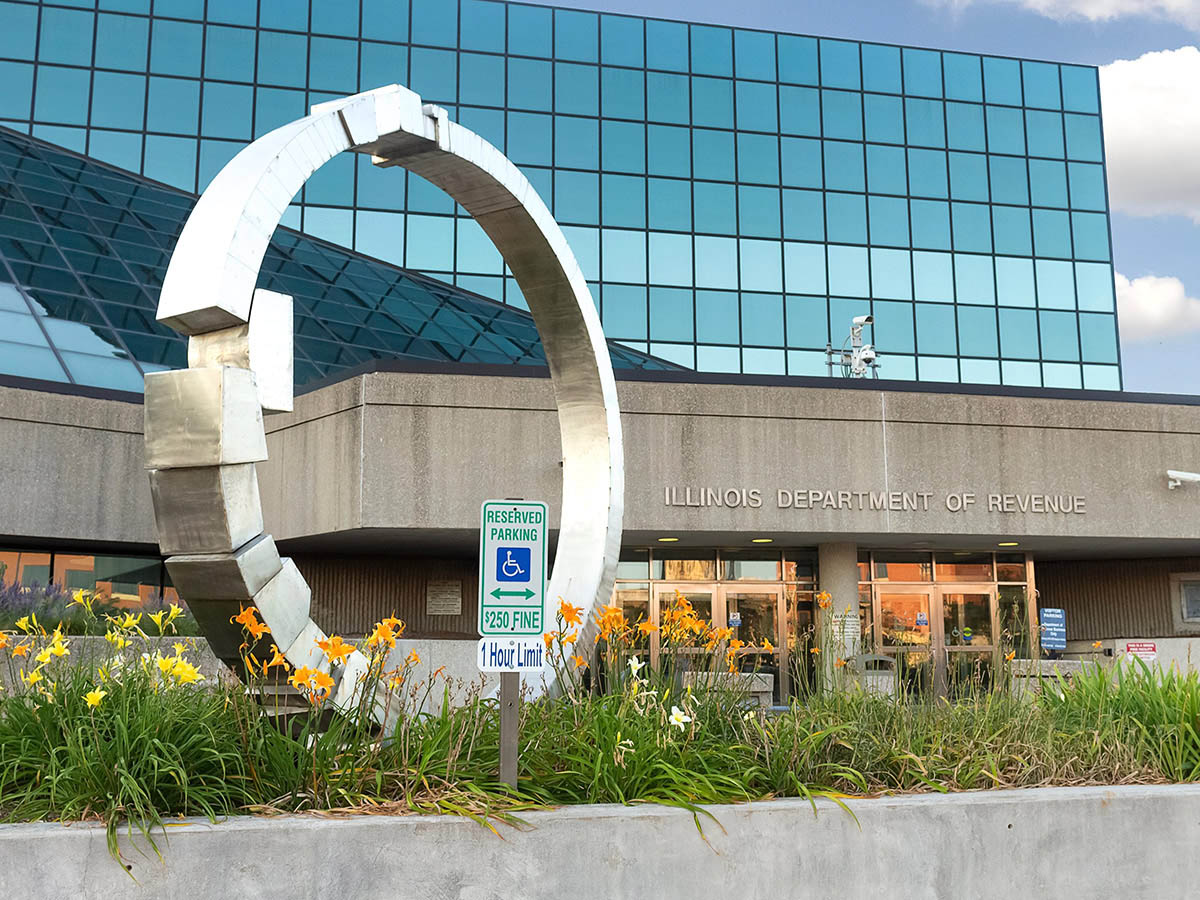
- to send the illinois tax return
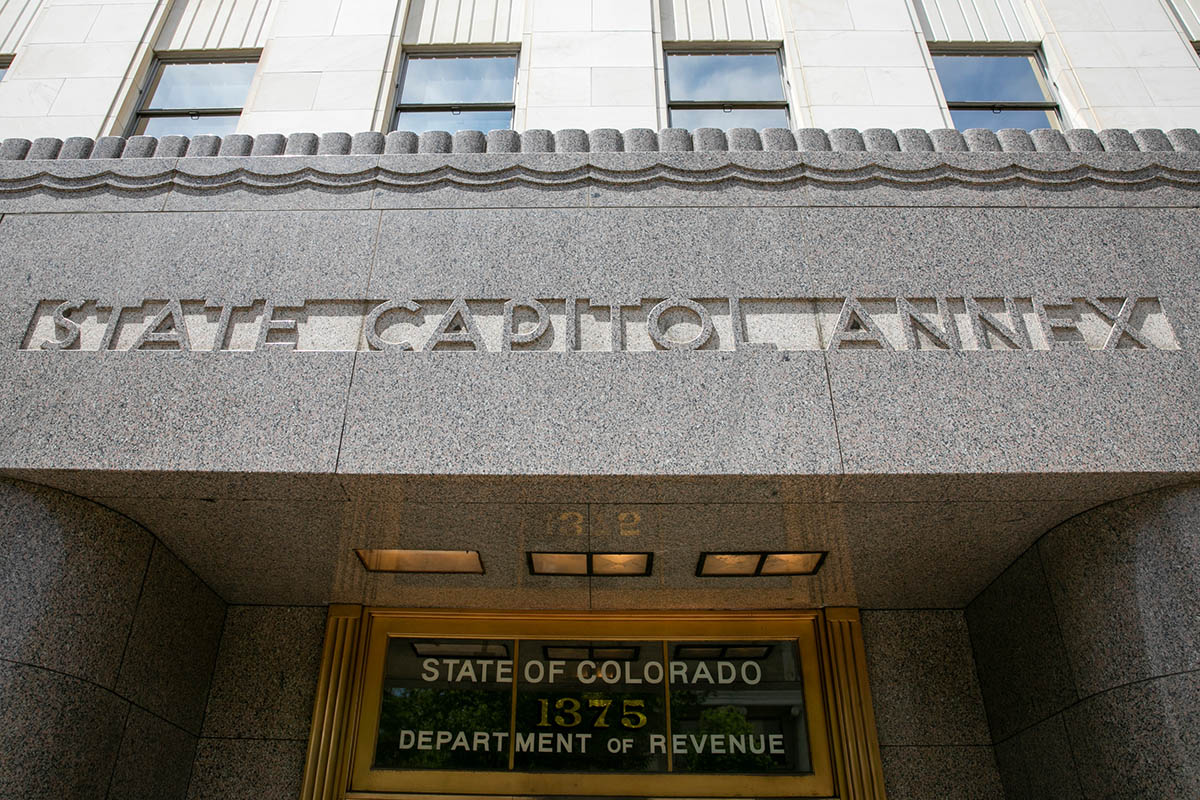
- to mail the colorado state tax return
- to send a minnesota tax return
- to mail an alabama state tax return
- to send nc state tax return
- to file a new york state tax return
Mailing federal and remaining state returns
Once your state envelope is sorted, you still need to get the federal paperwork to the right place, and the destination depends entirely on where you live. When you need to confirm where do i mail my federal tax return in virginia, the IRS directs Form 1040 filers to Internal Revenue Service, P.O. For the state side, Virginia Tax splits its destinations cleanly by whether a check is enclosed: refund filings go to the Department of Taxation at P.O. Box 1498 in Richmond, while filings accompanied by a remittance head to P.O. Box 760. Virginia also allows you to mail directly to your local Commissioner of the Revenue, giving you an alternative drop point if you prefer to keep the parcel closer to home.
- do i mail my federal tax return in virginia - Where Do I Mail My Federal Tax Return In Virginia?
- to mail a federal tax return in louisiana - Where To Mail A Federal Tax Return In Louisiana
Fixing a filed return
When a state return has already been submitted but contains an error, the fix is an amended filing, not a brand-new original submission. Before mailing anything, apply the same payment-versus-no-payment checkpoint used for original returns, as amended envelopes also follow split destinations.
If you need to amend massachusetts tax return paperwork for an individual, one route is logging in to MassTaxConnect. Go to the Summary tab, and in the Account panel for the return choose View Returns. Select View or Amend, then Amend to open the return for corrections, make the changes, and submit electronically. Software users should be aware that most vendors support amending only the current year and two years prior, and some do not allow amendments at all.
For paper filers working on tax years 2016 and later, complete a fresh Form 1 or Form 1-NR/PY and fill in the Amended return oval; for earlier years, write “Amended return” across the top of the form. Regardless of method, you must attach all schedules, and if the change reduces the tax you owe, include supporting documentation to substantiate the decrease. The amended filing must generally reach the Department of Revenue within three years of the original filing date.
When a remittance is due with an amended Form 1-NR/PY, the envelope goes to PO Box 7003 in Boston; otherwise, use the standard amended-return destination of PO Box 7000.