You face a penalty of up to 25% of the amount you failed to withdraw, though the IRS often waives this if you correct the error quickly and file Form...
Know your catch-up contribution limits and eligibility Before you make any catch-up contributions, you need to know the exact dollar figure you are working with. For the coming year, the...
Filing bankruptcy triggers an automatic stay that immediately stops most IRS collection actions, but it does not automatically wipe out tax debt - only certain older income tax debts can...
Changing your bank account management details on file Effective bank account management means knowing the rules shift depending on who is sending the money. When you need to change banking...
First, figure out what IRS notices you're looking at Before reacting to any IRS notices, pause and check whether you are holding a bill, a routine notice, or a legally...
Setting up your IRS account access Before you can request an identity protection PIN, upload documents, or authorize a tax professional, you generally need to establish your IRS account access...
Before you start your tax return This tax return guide helps you get comfortable with federal filing fundamentals before any forms land on your desk. Your first real step is...
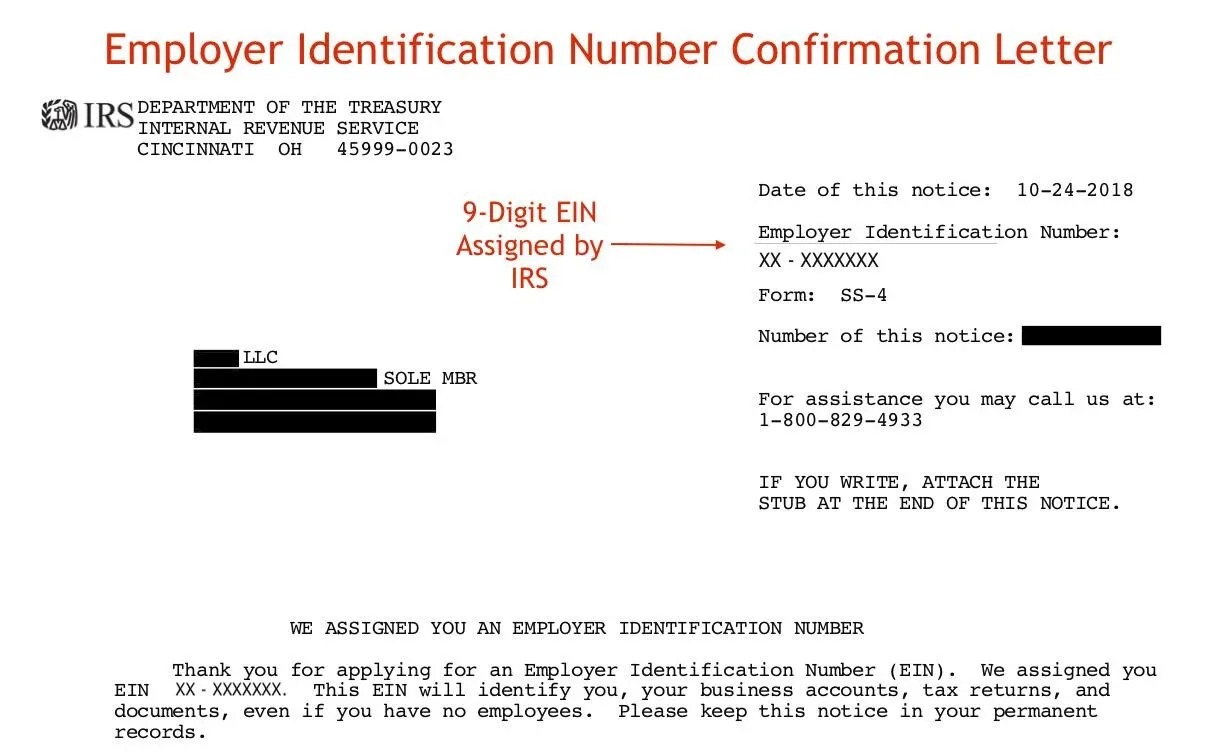
Understand what the IRS notices & codes mean Use the CP or LTR number from your IRS notices & codes to instantly decode any official mailing. That code is your...
The current unified tax credit limits are $13,000 for most decedents, and for a citizen of a U.S. possession, the greater of $13,000 or a fraction of $46,800 based on...
A qualifying relative is a person you may be able to claim as a dependent if they meet all four IRS tests: not a qualifying child, member of household or...
What Is the Credit for the Elderly or the Disabled? The IRS describes this as the 'Credit for the Elderly or the Disabled.' The credit for the elderly or the...
The first-time homebuyer tax credit was a federal tax incentive under Internal Revenue Code section 36 for homes purchased in 2008 and 2009, but it is no longer available for...