Banking
Bank Account Management & Transactions
Table of Contents
- Changing your bank account management details on file
- Opening an account when your credit is rough
- Understanding your bank statement and billing
- Managing linked accounts and online access
- Handling debits, credits, and reversals
- Using life insurance as a banking tool
- Specialized business and corporate accounts
- Weighing joint accounts and other setups
Changing your bank account management details on file
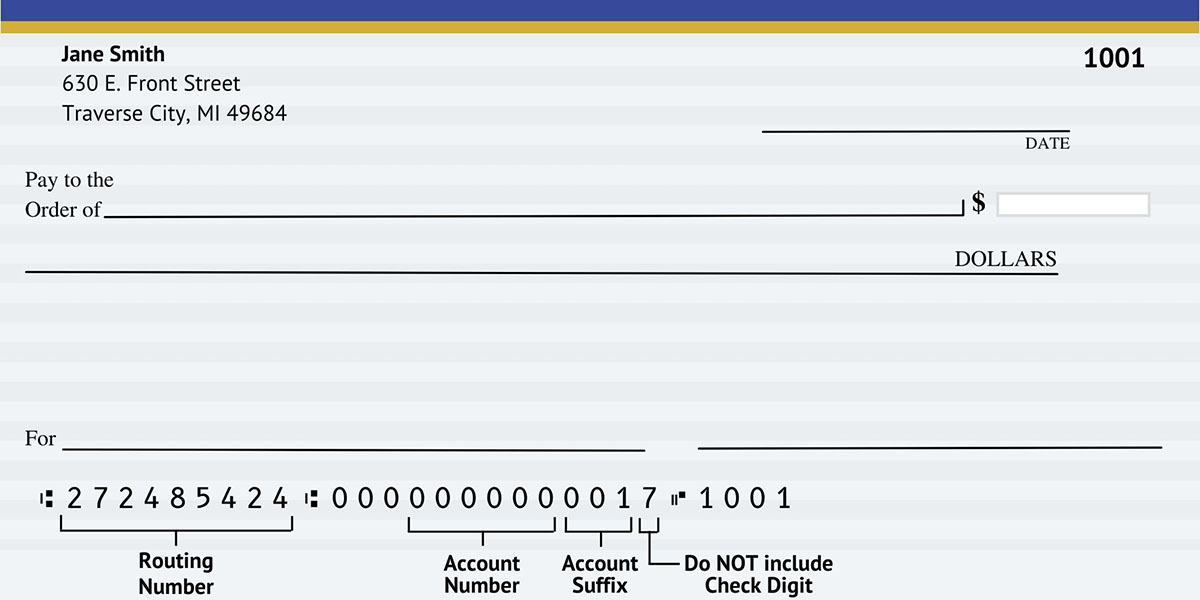
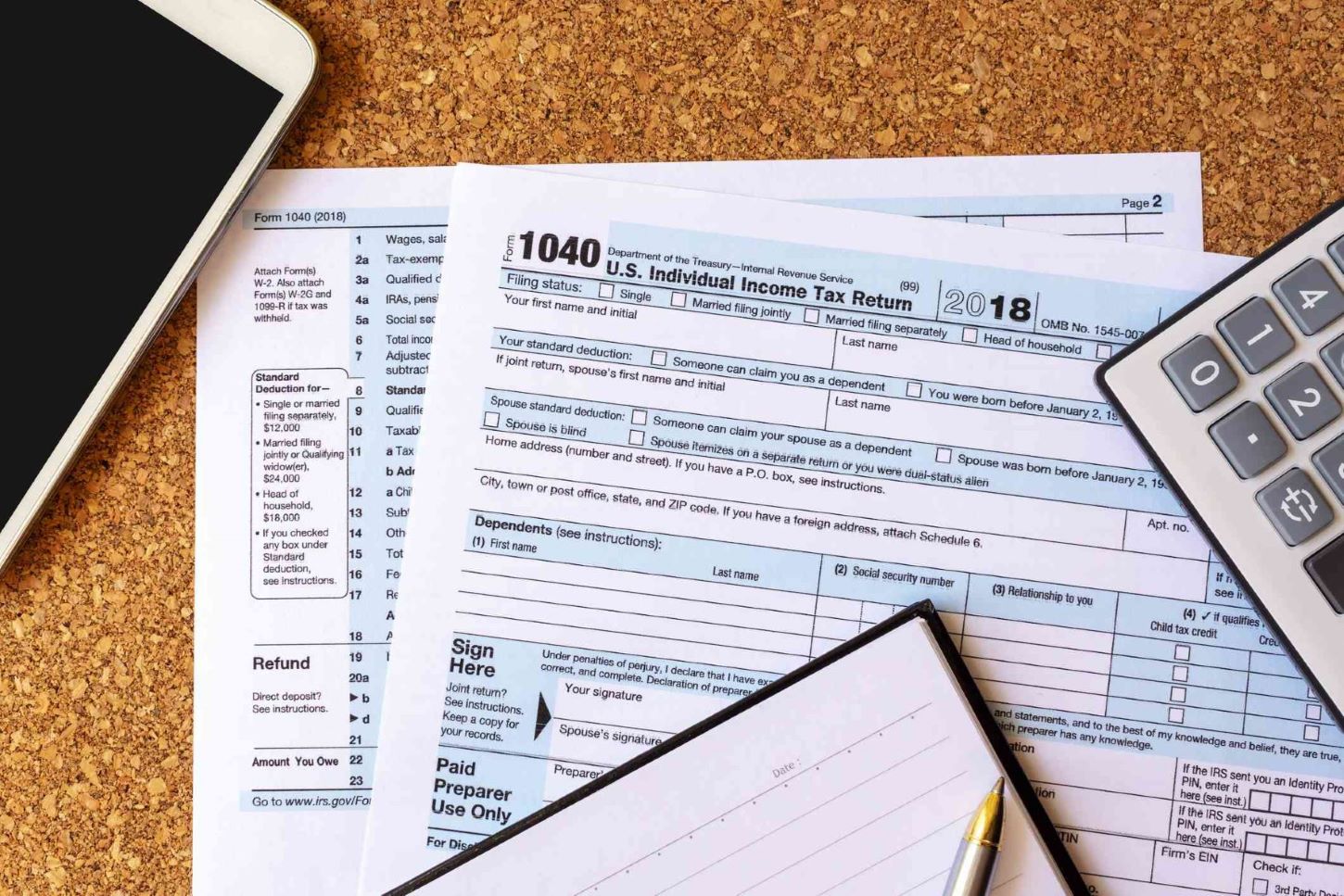
Effective bank account management means knowing the rules shift depending on who is sending the money. When you need to change banking information with Social Security, the clearest route is through your online account. After you log in, open the Benefits & Payment Details section and select Update Direct Deposit. You can also control when the switch takes effect from the My Profile tab in my Social Security. The process is more restrictive if you need to change your bank information with the IRS while a refund is pending, which is why you would want the article "I change my bank information with the IRS" to understand the exact steps and timing. The agency only opens that door after it has issued a CP53E notice. If you see that notice, logging into your IRS account and choosing Add bank account from your notifications will let you supply the correct details. The refund status typically updates within two to five business days. Without that specific notice, the system locks the account information once the return posts. You cannot simply edit it. That limitation is exactly why people worry about what happens if the IRS sends a refund to a closed bank account. In that scenario, you are waiting for the CP53E process to become available. You are not proactively fixing it ahead of time, which is exactly why you would want the article "I change my banking details" to learn how to handle updates before issues arise. As you update your records elsewhere, remember that the way you move money matters.
Opening an account when your credit is rough
Bad credit alone rarely blocks you from opening an account, because financial institutions care more about your banking history than your credit score. When you need to get a bank account with bad credit, start by applying for a regular checking product at more than one institution, since different providers evaluate your history differently and a rejection from one does not mean the next will say no. If standard offerings are denied, ask directly about a second-chance or fresh-start arrangement built for people who need time to rebuild their standing. Knowing where to open a bank account with bad credit often comes down to which firm offers a basic product that skips the usual screening. In Canada, federally regulated institutions must open a basic personal deposit facility for any resident who can verify identity, unless there is documented fraud history, criminal conviction related to a financial institution, inability to verify identity, or a security risk. In the UK, basic arrangements are designed for people who do not qualify for standard ones and the application may not involve a credit check at all. Before you reapply anywhere, pull your ChexSystems report and dispute any errors you find, because a clean history report opens more doors than a perfect credit score ever will.
Understanding your bank statement and billing
Reading the pages that arrive in the mail or land in your online portal starts with recognizing that a bank statement is a periodic summary of account activity for a specific time period, typically one month. On a Bank of America credit card, that window is defined by the Statement Closing Date, and each monthly statement reflects one billing cycle. If you have ever wondered how long is a Bank of America billing cycle, the answer lives on your own statement: the cycle begins the day after the previous closing date and ends on the next one. Because Bank of America does not specify a mailing interval after a billing cycle ends is a bank statement mailed, you should rely on the digital copy in your app to see transactions on the closing date itself rather than waiting for paper.
When you scan the line items, you might see a deposit labeled counter credit mean at Bank of America, though the retrieved Bank of America pages do not define what a counter credit at Bank of America means, which could involve handing cash or a check directly to a banker. Separately, you may be trying to align your payment due dates with your paycheck schedule, but the institution’s current disclosures do not show a customer-facing setting to change billing cycle on Bank of America, as your timing is set by the card agreement you received when the relationship was opened.
Managing linked accounts and online access
When you are ready to disconnect a funding source, the exact path depends on the device in your hand. In Apple’s Wallet on iPhone, you start by tapping your Apple Card, then tap the Savings account and work through the More button to Account Details. There, the Bank Accounts list lets you tap Edit and use the minus sign next to the bank account, then tap Done to delete online banking account links tied to that savings profile. Before you do, know that the linked account must be a personal checking, savings, or deposit account owned by you at a U.S. institution, and removing it also strips it as a bill payment option for the Apple Card itself.
Closing the Savings account entirely requires contacting a Savings Account Specialist at Goldman Sachs, and you will want to move your funds to Apple Cash or another linked external bank first. On the Google Pay side, removing a payment instrument from your device or Google Account makes it unusable on that service, though the official materials do not prescribe a single menu path for when I remove an outside linked bank account from money management on that platform.
The broader principle holds across all of these moves. Repeatedly shifting cash in and out of a life insurance policy as if it were a linked checking account can create a taxable event and collapse the coverage. The same caution applies when you transfer money from blockchain to bank account, and moving a large sum into a traditional deposit account changes your balance patterns in ways that casual policy loans do not forgive.
Handling debits, credits, and reversals
When you see a deposit labeled "temporary credit" appear in your account, the speed at which your bank makes funds available depends on its own internal policies.
A related line item that causes confusion is a credit balance refund debit Bank of America entry; you want the article that defines this term so you can understand why the card issuer moved a positive balance back to your deposit account or mailed a check, reducing the credit card balance to zero.
A straightforward withdrawal is simply the removal of funds from your account at an ATM, by transfer, or through an authorized electronic debit. The same logic applies when the IRS takes a payment you authorized: the agency processes an electronic funds withdrawal on the date you requested, and if that date falls on a weekend or bank holiday, the actual movement happens on the next business day. You want the article that answers when does the IRS withdraw funds from bank account in practical terms, so you can plan for exactly when the money will leave your account.
- does Bank of America take to give temporary credit - How Long Does Bank Of America Take To Give Temporary Credit
- does the IRS withdraw funds from bank account - When Does The IRS Withdraw Funds From Bank Account?
- credit balance refund debit Bank of America - What Is Credit Balance Refund Debit Bank Of America
- conditional reversal in banking - What Is Conditional Reversal In Banking
Using life insurance as a banking tool
When people talk about trying to use life insurance as a bank, they are describing a specific funding strategy where you buy a permanent cash-value policy, fund it heavily, and then request a policy loan from the insurer against the accumulated cash surrender value. The loan comes from the insurance company’s general account and is secured by your policy, meaning you receive borrowed cash, not a withdrawal or a return from the policy itself.
If you want to use whole life insurance as a bank, the typical structure involves a participating whole life policy from a mutual insurer that you overfund if the design allows, letting you borrow against the cash value while the underlying amount continues to earn dividends. Despite the language some advocates use, there is no actual process to open a life insurance bank account because the product is a life insurance contract, not a deposit account at a chartered bank. You apply for coverage, go through underwriting, and then access liquidity through policy loans rather than debit cards or account numbers.
The term an infinite banking policy is a marketing label, not a distinct product, and what it really refers to is a dividend-paying whole life policy designed for maximum early cash value accumulation. You cannot directly invest in bank-owned life insurance as a retail buyer, since BOLI is a corporate asset held on a financial institution’s books to offset employee benefit costs and is not a security offered to individual investors.
Throughout all of this, the critical risk involves unpaid loan interest compounding against the cash value, and if the total loan amount ever exceeds the policy’s remaining worth, the contract can lapse, turning what felt like tax-free access into an immediate taxable event.
Specialized business and corporate accounts
When a business needs to stop check fraud before it hits the ledger, it often activates positive pay in banking. This treasury control works by having the company provide issued check details to the financial institution through channels such as mobile banking, internet banking, or SMS, and the bank then compares checks presented for payment against the account number, check number, amount, and payee information the business has already authorized. A companion structure that keeps operating ledgers tidy is the zero balance account (zba), which sweeps funds to or from a master account at the end of each banking day, keeping subsidiary ledgers at or near zero and concentrating cash in one place. These tools sit on the operational side of corporate treasury management, far removed from the policy-loan mechanics that trip up individuals who treat a life insurance contract like a checking product. On the restructuring side, employees facing a merger often ask what constitutes a typical severance package for bank mergers and acquisitions, but the terms depend on the deal agreement, retention needs, and individual employment contracts rather than a published industry standard.
Weighing joint accounts and other setups
Sharing an account means sharing control. The convenience is real. A single pool for household bills and shared savings goals eliminates constant transfers. It also makes it easier to track spending together. The trade-off is that each co-owner gets equal, unrestricted access to every dollar. This can create tension around privacy. It also exposes the entire amount to the other person’s creditors or legal disputes.
Moving to a completely different kind of arrangement, drivers looking to shrink their out-of-pocket repair costs over time can enroll in progressive deductible savings bank right from the quote screen. On the quote page, look for the Safe Driving Rewards section. Add the program before finalizing the purchase. It can go all the way to zero. Whether that fits your budget depends on the individual pricing you see at checkout.
- are joint bank accounts a good idea or bad news - Are Joint Bank Accounts A Good Idea Or Bad News?